

- Over 304 million people, or 3.7% of the global population, live in a country other than their birth country, with Africa being home to the third-largest number of migrants worldwide.
- African Union's revised policy framework for 2018-2030 emphasizes safe, orderly, and dignified migration across nine thematic areas, including labor migration and border governance.
- Despite the AU's efforts, implementation remains fragmented, and xenophobic violence against African migrants continues to plague countries like South Africa.
- The European Union and the Trump administration have also implemented restrictive immigration policies, contributing to the complex migration landscape.
Africa's migration landscape is as complex as it is multifaceted. From political unrest to economic opportunities, a wide range of circumstances drive people to leave their countries of birth. According to the UN Population Division, a record 304 million people lived in a country other than their birth country in 2024, representing about 3.7 percent of the world's 8.2 billion people.
This trend is not unique to Africa, however. The European Union and the United States have also implemented policies to manage migration flows, often with restrictive and punitive measures. The Trump administration's immigration policy, for instance, focused on mass deportation and terminating humanitarian parole programs. Meanwhile, the European Union's migration and asylum policy falls within the area of freedom, security, and justice.
Background: The African Union's Revised Policy Framework
In 2018, the African Union (AU) revised its policy framework for migration, emphasizing safe, orderly, and dignified migration across nine thematic areas. These areas include labor migration, border governance, and human rights. The framework aims to promote the free movement of persons within the African continent, facilitating economic opportunities and social development.
However, the implementation of these policies remains fragmented, with individual countries often pursuing their own agendas. This has led to a lack of coordination and consistency in addressing migration issues, leaving many migrants vulnerable to exploitation and xenophobic violence.
Xenophobic Violence in South Africa
The situation in South Africa is particularly concerning. Despite the country's strong economy and reputation as a haven for financial freedom, xenophobic violence against African migrants continues to plague the nation. In 2015, South Africans violently killed many African migrants, allegedly due to perceptions that they had taken their jobs.
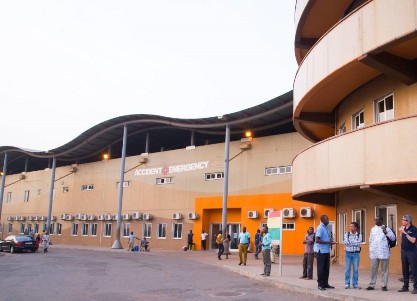
More recently, videos have circulated online showing South Africans assaulting Ghanaian migrants, while another person is seen evicting foreigners from a government hospital. This reoccurring violence has left many Africans questioning where they can turn for help when their own continent rejects them.
Seeking Redress: Channels for Migrants in Crisis
While civil societies and international organizations have engaged with governments to protect the rights of migrants, the road to proper immigration policies remains long and arduous. In many cases, migrants are left without clear channels for seeking redress when faced with xenophobic violence or exploitation.
Is it through xenophobia that migrants can find justice, or are there other, more effective channels for seeking help? The answer remains unclear, leaving many migrants to navigate a complex web of circumstances and xenophobic violence.
Conclusion: The African Union's Failure to Protect African Migrants
The African Union's revised policy framework for migration remains a crucial step towards promoting safe, orderly, and dignified migration. However, the failure to implement these policies effectively has left many African migrants vulnerable to xenophobic violence and exploitation.
As the world continues to grapple with the complexities of migration, it is imperative that the African Union and individual countries prioritize the protection of African migrants. Only then can we begin to address the root causes of xenophobic violence and create a more inclusive, equitable society for all.




0 Comments
Leave a Comment
No comments yet. Be the first to share your thoughts!