
Key Highlights
- Farmers and community officers in Ghana's Ashanti, Ahafo, and Western North regions have received specialized training in snail rearing, beekeeping, and mushroom cultivation.
- The initiative, part of the EMBRACE project, aims to combat biodiversity loss and bolster the resilience of smallholder farming communities against climate change.
- The program uniquely integrates scientific research with traditional indigenous knowledge to create sustainable agroforestry models and conservation strategies.
- Participants are set to become knowledge disseminators, creating a multiplier effect for conservation and economic empowerment within their communities.
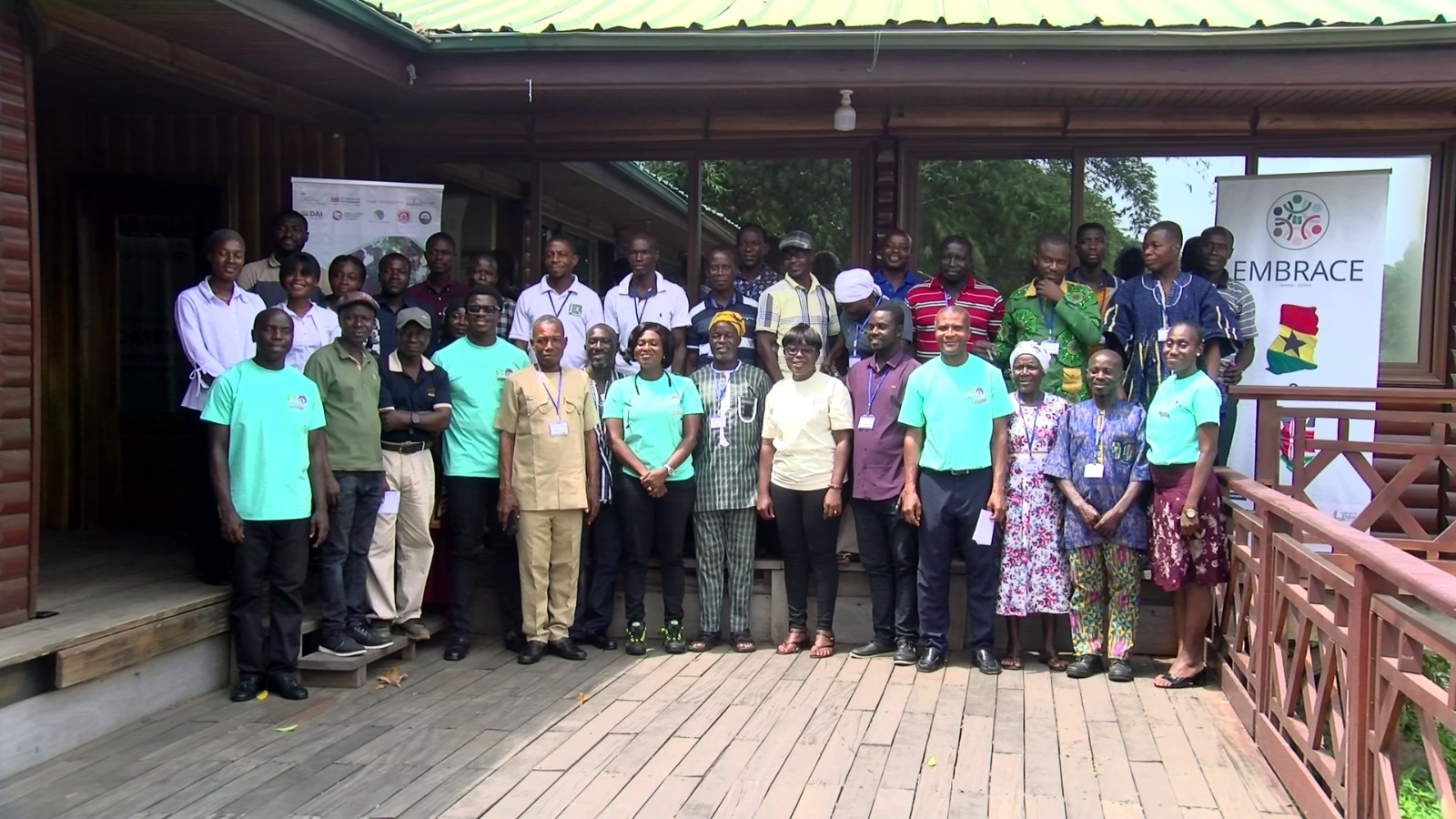
In a significant stride towards sustainable development and ecological preservation, over 15 communities across Ghana’s Ashanti, Ahafo, and Western North regions have empowered their farmers and community extension officers with new skills in snail rearing, beekeeping, and mushroom cultivation. This intensive three-day training program, a cornerstone of the EMBRACE project, is designed to equip these communities with diversified income streams and enhance their resilience in the face of escalating biodiversity loss and the unpredictable challenges of climate change.
Cultivating Resilience, One Snail at a Time
Ghana's rural heartlands are deeply intertwined with the natural environment, forming the bedrock of livelihoods, sustenance, and cultural identity. However, these vital ecosystems are under immense pressure. Deforestation, land degradation, and the often-unintentional neglect of underutilized crops and endangered species are steadily eroding the very foundations upon which these communities depend. The EMBRACE project, spearheaded by the Forestry Research Institute of Ghana (CSIR-FORIG), directly confronts these critical issues by fostering innovative approaches that bridge the gap between cutting-edge scientific understanding and invaluable indigenous knowledge.
“The technology helps us to mimic the natural environment so that even though we are not in the forest, we can still create a natural environment in the cities where we can farm snails and make a livelihood out of them,” explained Mrs. Naomi Owusu Appiah, Director of Commercialization at CSIR. This innovative thinking moves beyond traditional farming, envisioning urban and peri-urban spaces as viable hubs for lucrative, nature-mimicking agricultural ventures. It highlights a forward-thinking strategy that can be replicated and adapted across various ecological and geographical contexts within Ghana and potentially beyond.
More Than Just Income: Food Security and Biodiversity Safeguards
Dr. Clement Oppong Peprah, the Project Lead, emphasized that the EMBRACE initiative’s impact extends far beyond simple income generation. “As they grow the animals, they gain protein as well,” he stated, underscoring the direct contribution to food security. The project champions a holistic approach, recognizing that sustainable livelihoods are intrinsically linked to healthy ecosystems and nutritious food sources. This dual focus on economic empowerment and enhanced nutrition provides a robust framework for community development.
Dr. Peprah also issued a crucial call to action for policymakers, urging them to implement regulations that curb the importation of harmful weedicides and pesticides. These chemicals, he warned, pose a significant threat to delicate snail populations. Simultaneously, he advocated for robust incentives to promote the production and adoption of locally sourced, organic alternatives. This plea addresses the urgent need for a supportive policy environment that champions sustainable practices and protects vital biodiversity.
A Ripple Effect of Knowledge and Empowerment
The enthusiasm among the trainees was palpable. Participants articulated their eagerness to apply the newly acquired skills, viewing them as essential tools for income diversification and a buffer against the economic vulnerabilities inherent in seasonal farming. “During the dry season, production drops and farmers face hardships. With this training, they can have an additional business while farming, helping them earn more,” shared one participant, encapsulating the practical, life-changing potential of the project. This sentiment highlights how specialized, adaptable agricultural techniques can fundamentally alter the economic landscape for smallholder farmers.
Crucially, the commitment of the trainees extends beyond their own farms. They have pledged to become champions of knowledge within their respective communities, ensuring that the lessons learned ripple outwards. This commitment is central to the EMBRACE project’s long-term vision: fostering widespread adoption of conservation-friendly practices, improving livelihoods on a broader scale, and driving sustainable development that respects both human needs and ecological integrity. By empowering individuals to become educators, the project ensures its impact is not fleeting but enduring, cultivating a future where communities and nature thrive in symbiosis.




0 Comments
Leave a Comment
No comments yet. Be the first to share your thoughts!