
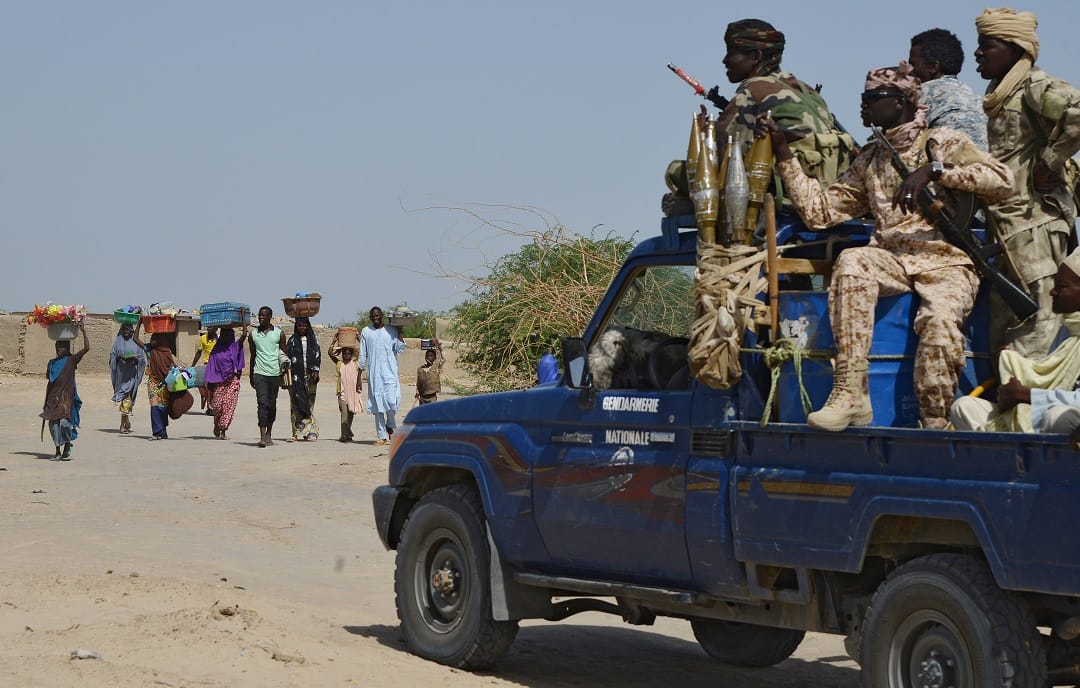
- Boko Haram militants launch deadly assault on Chadian military outpost, killing 23 soldiers and injuring 26 personnel.
- Presidential condemnation and vow to eradicate Boko Haram threat in Chad.
- Regional security concerns raised as extremist groups exploit porous borders and resource-rich zones.
- Chadian government's efforts to combat insurgency hindered by economic hardship and internal challenges.
Chadian armed forces confirmed on Tuesday the scale of the fatalities and injuries sustained during the confrontation, which occurred at approximately 10:00 p.m. local time on Barka Tolorom island within the volatile Lake Chad region.
The attack highlights the persisting regional instability and extremist activity in the Lake Chad Basin, where Boko Haram and its rival splinter group, the ISIL-affiliated West Africa Province (ISWAP), utilise the area's islands and marshes as strategic havens.
Background: History of Boko Haram and Regional Instability
Boko Haram, meaning 'Western education is forbidden' in the Hausa language, has been active in the Lake Chad region since 2002. Initially, the group focused on opposing Western-style education and government, but over time, they have become increasingly radicalised, adopting a more extremist ideology inspired by the Islamic State.
The group's activities have led to the deaths of thousands and displacement of millions over the past fifteen years. The recent surge in violence includes kidnappings and targeted strikes on advanced military positions along the lake's shores.
Persistent Regional Instability and Insurgent Factions
The Lake Chad region remains a primary theatre for extremist activity spanning Nigeria, Cameroon, Chad, and Niger. Boko Haram and ISWAP have been known to impose forced taxes on local communities, funding their operations through this means. The recent attack on the Chadian military outpost underscores the urgent need for revitalised intelligence sharing and military coordination among African Union member states.
Regional security concerns are further exacerbated by the porous borders and resource-rich zones exploited by extremist groups. The inability to fully contain JAS factions and ISWAP splinter groups signals a persistent threat to regional trade and maritime stability.
Regional Security and the ECOWAS Imperative
The resurgence of violence in the Lake Chad Basin presents a direct challenge to the security architecture of West Africa and the Sahel. As extremists adapt their tactics to exploit porous borders, the stability of the entire sub-region depends on a unified response that transcends individual national efforts.
The recent breach highlights the need for strengthened regional cooperation and coordination, particularly through the Economic Community of West African States (ECOWAS). This imperative has been underscored by the persistence of high-casualty raids and the inability to fully eradicate militant sanctuaries.
Security Challenges Amidst Economic Hardship
The Chadian government's efforts to combat the Boko Haram insurgency have been hindered by economic hardship and internal challenges. Despite possessing significant oil wealth, Chad remains among the poorest in Africa due to economic stagnation and a harsh climate.
The persistence of such high-casualty raids underscores the difficulty of securing the porous borders of the Lake Chad Basin, even as N'Djamena positions itself as a critical Western ally in the regional war on terror.
Looking Ahead
The recent attack on the Chadian military outpost serves as a stark reminder of the persisting regional instability and security challenges in the Lake Chad Basin.
The Chadian government's vow to eradicate the Boko Haram threat will be put to the test in the coming weeks and months, as the country continues to grapple with the aftermath of the attack and the broader regional security implications.






0 Comments
Leave a Comment
No comments yet. Be the first to share your thoughts!