
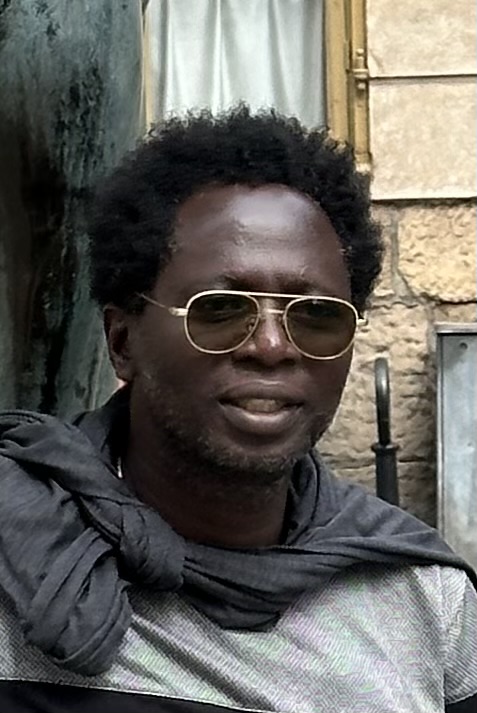
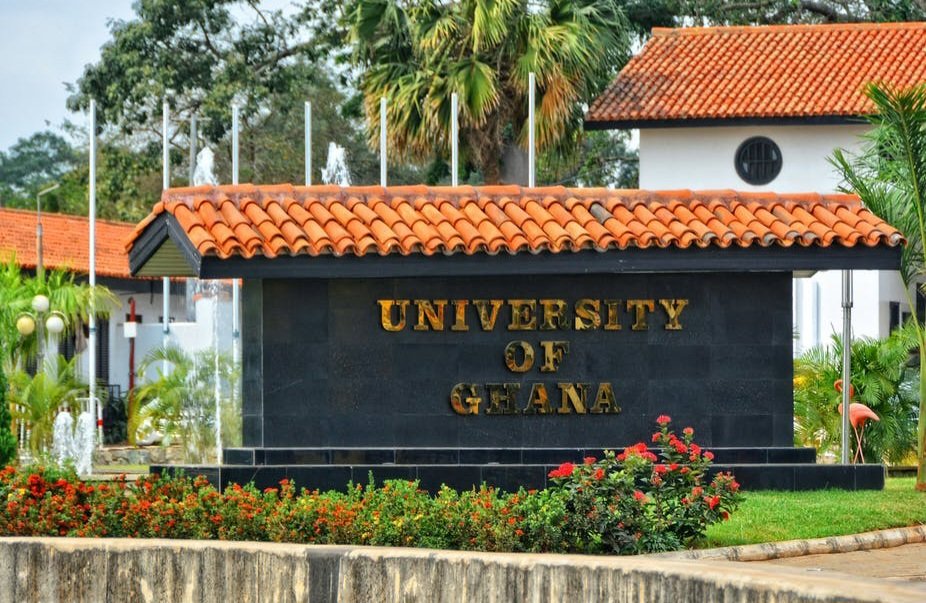
As the global race for Artificial Intelligence (AI) dominance intensifies, Professor Isaac Wiafe of the University of Ghana has issued a passionate call for the Ghanaian government to prioritize the development of indigenous AI models. Speaking at a technology symposium at the Legon campus on Friday, February 27, 2026, Prof. Wiafe warned that a total reliance on foreign-built systems like ChatGPT and Gemini could lead to a new form of "digital slavery" and the eventual erosion of Ghana’s rich linguistic heritage.
The core of Prof. Wiafe’s argument lies in the concept of "Data Sovereignty." He pointed out that while global AI models are incredibly powerful, they are primarily trained on Western data and reflect Western cultural values, nuances, and languages. For a country like Ghana, where local dialects such as Twi, Ga, Ewe, and Dagbani are central to identity and commerce, the lack of AI systems that truly understand these languages is a significant risk. Prof. Wiafe noted that if Ghanaian youth grow up interacting only with systems that don't speak their mother tongues, the survival of those languages is threatened in the long run.
"We cannot allow our future to be coded by people who do not understand our proverbs, our history, or our local context," Prof. Wiafe stated during his address. He argued that for AI to be truly beneficial in sectors like healthcare, law, and agriculture in Ghana, it must be able to process and respond to queries in the languages that the majority of the population speaks. For instance, an AI-driven agricultural tool would be far more effective for a farmer in the Central Region if it could communicate fluently in Fante rather than just formal English.
To combat this, the don is advocating for a national investment in "Large Language Models" (LLMs) specifically tailored for Ghanaian and African contexts. This involves gathering and digitizing vast amounts of local language data—from oral histories and radio archives to legal documents and literature—to train homegrown AI. He urged the government to collaborate with the Computer Science departments of the University of Ghana, KNUST, and UCC to create a centralized repository of local data that can power these indigenous technologies.
The warning comes at a time when the Ghana Education Service and the Ministry of Communications are pushing for "AI literacy" in schools. However, Prof. Wiafe believes that literacy is not enough; ownership is required. He cautioned that if Ghana continues to simply consume foreign AI tools without building its own, the country will remain a "tech colony," paying subscription fees for services that do not fully serve its cultural interests.
The symposium concluded with a call for the newly approved National AI Strategy to include specific clauses that incentivize the creation of local language technologies. As the world moves deeper into the 2020s, the battle for the "soul of the internet" is being fought through language. Prof. Wiafe’s message to the campus community and the nation is clear: to remain truly independent in the digital age, Ghana must ensure that its machines speak its own languages.

0 Comments
Leave a Comment
No comments yet. Be the first to share your thoughts!