

- President John Dramani Mahama's administration sets up new unit to track government projects.
- The Presidential Delivery Unit will monitor progress on campaign commitments and government targets.
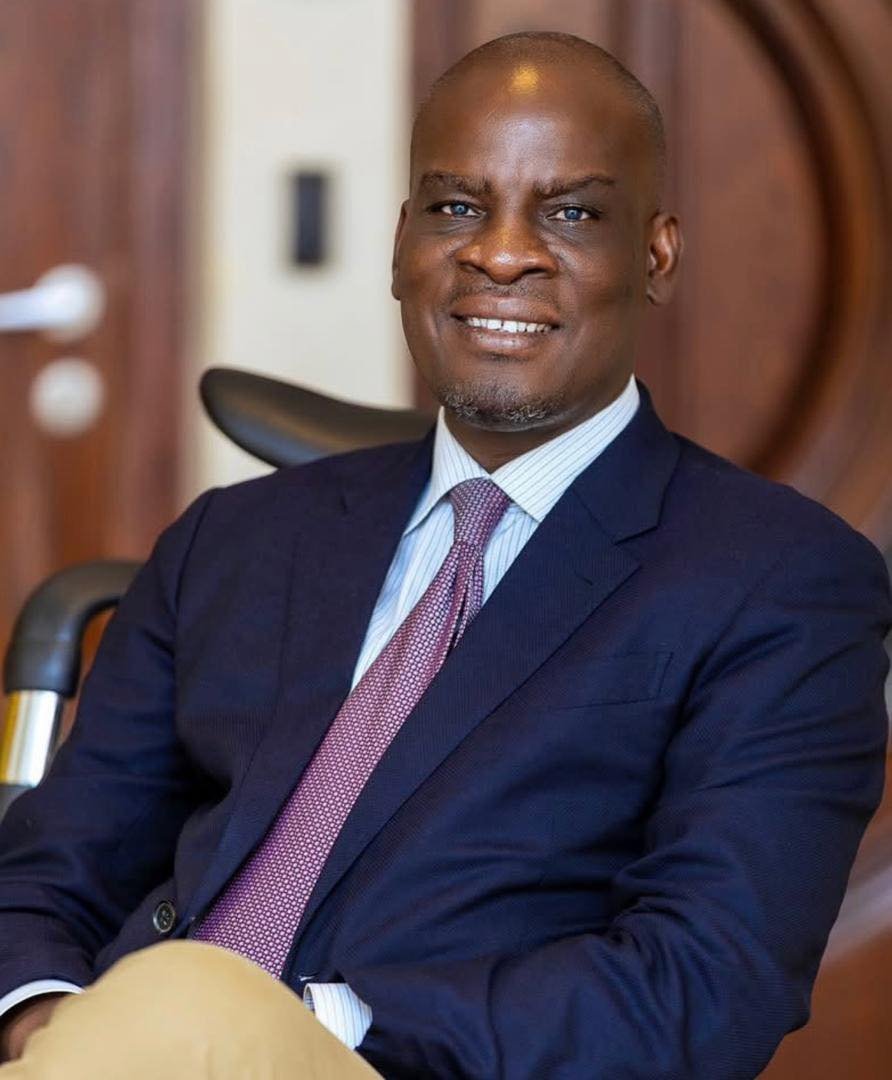
- Chief of Staff Julius Debrah emphasizes the importance of accountability in governance.
- The initiative aims to strengthen governance and support the administration's economic agenda.
The Ghanaian government has taken a significant step towards enhancing transparency and accountability in governance with the establishment of a Presidential Delivery Unit at the Office of the President. According to Chief of Staff Julius Debrah, the unit will be responsible for monitoring the implementation of government projects and campaign commitments every month.
This move is part of efforts to strengthen governance and support the administration's broader agenda of resetting the economy and improving public sector performance. The unit's primary objective is to ensure that appointees remain accountable for delivering results, as stated by Mr. Debrah during a town hall meeting in Koforidua.
Background: Strengthening Governance in Ghana
For several years, Ghana has been working towards strengthening its governance system. The country has been ranked among the top performers in the West African region in terms of governance, with significant improvements in areas such as rule of law, human rights, and transparency. However, there is still room for improvement, particularly in terms of accountability and responsiveness to citizens' needs.
In recent years, the government has implemented various initiatives aimed at enhancing transparency and accountability, including the establishment of the Ghana Freedom of Information Act and the creation of a Public Interest and Accountability Committee (PIAC). The Presidential Delivery Unit is a significant addition to these efforts, as it seeks to ensure that government officials are held accountable for their actions and that citizens' expectations are met.
Key Features of the Presidential Delivery Unit
The Presidential Delivery Unit will be responsible for assessing promises made by the government, tracking progress on their execution, and ensuring that appointees remain accountable for delivering results. Mr. Debrah emphasized that officials from the presidency will soon begin engagements with traditional authorities and opinion leaders across the country to gather feedback on the work of government appointees within their jurisdictions.
The unit will regularly review reports on government targets and assess whether ministries and agencies are meeting expectations. This will enable the president to make informed decisions on the performance of his appointees and take corrective action where necessary.
Implications for Governance in Ghana
The establishment of the Presidential Delivery Unit has significant implications for governance in Ghana. It sends a strong signal that the government is committed to transparency and accountability, and that citizens' expectations will be met. The unit's focus on monitoring progress and ensuring accountability will help to build trust between citizens and government officials.
Furthermore, the unit's engagement with traditional authorities and opinion leaders will help to deepen accountability and ensure that government officials deliver effectively in line with the vision of President John Dramani Mahama. This is particularly important in a country like Ghana, where traditional authorities play a significant role in shaping public opinion and influencing government policies.
Looking Ahead: Challenges and Opportunities
While the establishment of the Presidential Delivery Unit is a significant step towards enhancing governance in Ghana, there are still challenges to be addressed. One of the biggest challenges is ensuring that the unit is adequately resourced and empowered to carry out its functions effectively.
Additionally, there is a need for greater awareness and understanding of the unit's role and functions among citizens. This will help to build trust and ensure that citizens are engaged in the process of monitoring progress and holding government officials accountable.




0 Comments
Leave a Comment
No comments yet. Be the first to share your thoughts!