
Key Highlights
- Representatives from 12 African nations convened in Accra for a three-day NFL Flag clinic, enhancing coaching and educational expertise for the sport's expansion.
- The initiative is strategically aligned with flag football's inclusion in the 2028 Los Angeles Olympics, positioning Africa for continental growth and competitive participation.
- Ghana has been identified as a burgeoning hub for flag football development, with its coaches and educators playing a crucial role in disseminating knowledge across the continent.
- Organized by NFL International and the International Federation of American Football (IFAF), the clinic underscores a commitment to grassroots development and talent identification in Africa.
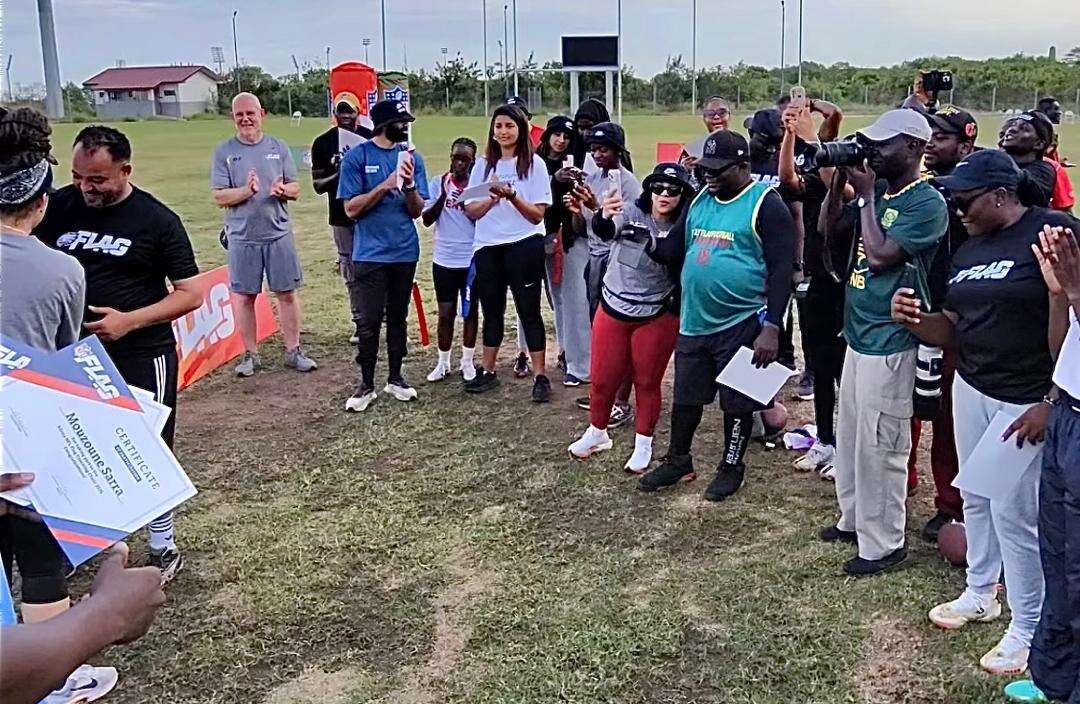
Accra, Ghana – From March 27 to 29, the University of Ghana Rugby Stadium became a focal point for the future of flag football in Africa, hosting a significant three-day clinic spearheaded by NFL International. This pivotal gathering brought together representatives from 12 African countries, equipping coaches and educators with essential skills to accelerate the sport’s expansion across the continent. The clinic's timing is particularly strategic, preceding flag football’s debut as an Olympic sport at the 2028 Los Angeles Games.
The convergence of diverse national delegates underscored a concerted effort to foster a unified strategy for flag football development. Participants engaged in intensive training modules, designed to not only enhance their technical understanding of the sport but also to empower them as ambassadors tasked with establishing and growing flag football programmes in their respective nations. This collaborative approach is vital for building a robust continental framework.
A Continental Vision: NFL and IFAF Partnership
Afia Law, NFL International Flag Football Development Manager, articulated the profound significance of the event, hailing it as a transformative moment for continental expansion. She highlighted the impressive turnout from a dozen African countries, underscoring the enthusiasm and readiness across the region to embrace the sport. The NFL's partnership with the International Federation of American Football (IFAF) is central to this ambitious endeavour, working synergistically with member federations to cultivate flag football at a grassroots level.
The collaboration between NFL International, the league’s global arm, and IFAF, the international governing body for American football, is instrumental in providing both resources and structured pathways for development. This joint effort ensures that the growth of flag football is not only widespread but also adheres to international standards of play and governance. Such strategic alliances are critical for a sport aiming for widespread global adoption and Olympic recognition.
Flag Football's Ascent: From Grassroots to Olympic Stage
Flag football, a less physical, non-contact variant of American football, has experienced a remarkable surge in popularity worldwide. Its accessibility, requiring minimal equipment and promoting inclusive participation, makes it an ideal sport for diverse communities. This inherent flexibility has been a key factor in its rapid growth, particularly in regions where traditional tackle football infrastructure might be limited.
The sport's ultimate validation arrived with its inclusion in the 2028 Los Angeles Olympic Games. This landmark decision by the International Olympic Committee represents a monumental opportunity for flag football to attain unprecedented global visibility and investment. For African nations, this Olympic pathway offers a unique chance for athletes to represent their countries on the world stage, fostering national pride and inspiring a new generation of sports enthusiasts.
Ghana: An Emerging Hub for African Flag Football
Ghana's role in this continental initiative has been prominently recognized by NFL International. Afia Law specifically highlighted the nation's burgeoning status as a flag football hub, attributing this to its wealth of talented coaches, dedicated teachers, and receptive educational institutions. This recognition positions Ghana not merely as a host, but as a crucial accelerator for the sport's development throughout Africa.
The strategic choice of Ghana as the clinic’s host reflects its strong potential for sports development and its capacity to serve as a model for other African nations. The knowledge and expertise cultivated within Ghana are expected to have a ripple effect, spreading across the entire continent. This makes the timing of such a knowledge-sharing and networking event particularly opportune, as nations begin to lay the groundwork for their Olympic aspirations and broader sports development objectives.
Enthusiasm and Vision from Across Africa
The palpable enthusiasm among the participating coaches and educators was a recurring theme throughout the clinic. Lars Carlsen, IFAF Sport Manager, commended the delegates' eagerness to learn and their commitment to propagating the sport in their home countries. This collective dedication is essential for ensuring the sustainability and organic growth of flag football across varied cultural and sporting landscapes.
The sentiments from participants resonated deeply with this vision. Hafsatu “Hafsa” Kamara, an Olympian representing Sierra Leone, underscored the clinic's vital importance for a sport still in its nascent stages on the continent. She emphasized the foundational work involved in building and growing flag football, expressing excitement about being part of this formative period. Her perspective as an Olympian brings valuable insights into competitive sports pathways.
Similarly, Lawrence Ojaideh, Vice President of the Nigerian Federation of American Football, articulated the personal and professional satisfaction derived from participating in a system designed for growth and reciprocal contribution. Such testimonials highlight the profound impact of these clinics beyond mere skill acquisition, fostering a sense of community and shared purpose among African sports leaders. The clinic provided a platform for these leaders to network, exchange ideas, and forge collaborations that will be instrumental in the sport’s pan-African expansion.
Curriculum and Practical Application for Grassroots Development
The NFL-IFAF training sessions, held at Legon’s Rugby Stadium, offered a comprehensive curriculum designed to equip attendees with both theoretical knowledge and practical coaching methodologies. Key areas likely covered included fundamental rules, offensive and defensive strategies, effective practice planning, injury prevention, and the crucial principles of youth sports development. Emphasis was placed on creating safe, inclusive, and engaging environments for aspiring young athletes.
Upon successful completion of the intensive programme, all participants received official certificates, validating their newly acquired expertise. These certifications serve as a formal recognition of their commitment and readiness to lead flag football initiatives in their respective nations. Additionally, assorted goodies were distributed, further cementing a positive and memorable experience for the delegates, encouraging them to maintain their connection with the wider flag football community.
The Path Ahead: Sustained Growth and Future Initiatives
The overwhelming positive feedback from attendees, all of whom expressed unwavering commitment to expanding flag football in their home countries, signals a promising trajectory for the sport in Africa. This success has evidently buoyed both the NFL and IFAF, which are now poised to implement further initiatives designed to consolidate and expand upon the foundations laid by this clinic.
These future endeavours will likely involve sustained support mechanisms, including follow-up training programmes, provision of equipment, and assistance in establishing national federations and leagues. The long-term objective is to cultivate self-sustaining flag football ecosystems across Africa, capable of developing talent from the grassroots level all the way to potential Olympic representation. The clinic at the University of Ghana serves as a powerful testament to the sport's potential and the collaborative spirit driving its future on the continent.



0 Comments
Leave a Comment
No comments yet. Be the first to share your thoughts!