
Key Takeaways
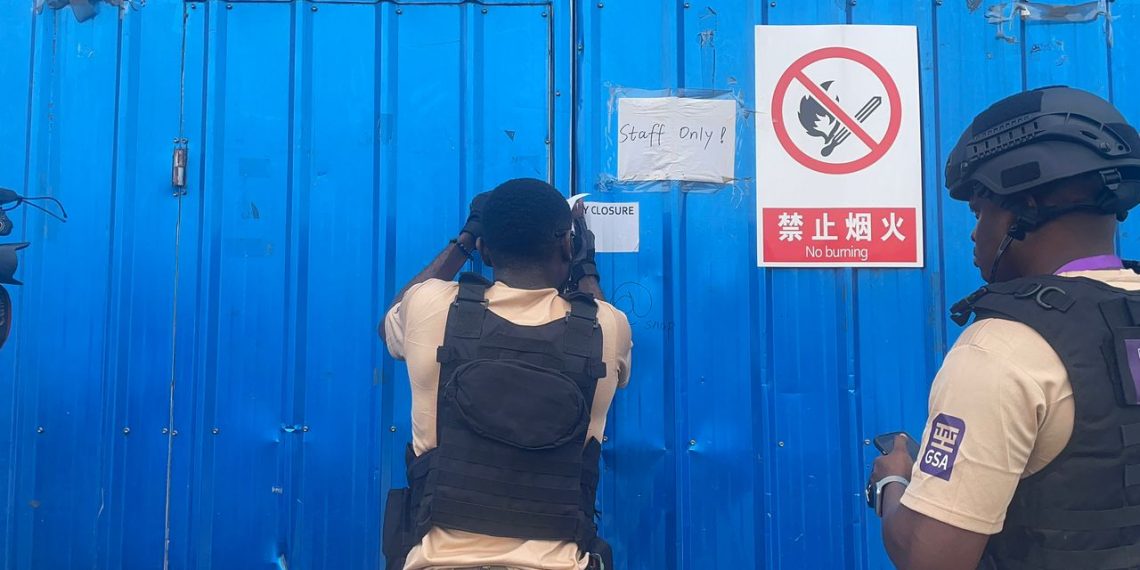
- The Ghana Standards Authority (GSA) has shut down four mattress manufacturing companies in Afienya, near Tema, for using unapproved chemical compounds.
- The companies, which are owned by Chinese nationals, were found to be using polystyrene and unapproved polyethylene derivatives instead of the legally mandated polyurethane foam base.
- The use of these chemicals exposes consumers to volatile emissions and poses a risk to human health and the environment.
- The GSA has warned that the facilities will remain closed indefinitely and the management of the affected companies will face rigorous legal sanctions.
The Ghanaian market has been plagued by the proliferation of hazardous consumer goods, and the recent enforcement operation by the Ghana Standards Authority (GSA) is a significant step towards ensuring the safety of consumers. On Monday, May 18, 2026, the GSA shut down four mattress manufacturing companies at Afienya, near Tema, for systematically using unapproved and potentially toxic chemical compounds in the production of beds destined for the local market.
The companies, which are owned by Chinese nationals, stand accused of compromising public health for corporate profit. According to the GSA, a routine market surveillance and subsequent laboratory analysis exposed a dangerous production shortcut. Instead of using polyurethane, the legally mandated and medically approved foam base for mattresses, the companies were found to be using polystyrene and unapproved polyethylene derivatives.
Background & Context
The use of unapproved chemicals in mattress manufacturing is a serious concern for consumer safety and public health. Polystyrene, a rigid, non-biodegradable polymer, is commercially reserved as protective shock-absorption packaging for shipping electronic gadgets and household appliances. When manipulated into bedding, the material lacks the structural integrity required for orthopaedic support and exposes consumers to volatile chemical emissions.
Medical and environmental experts warn that sleeping on industrial packaging polymers can cause severe respiratory distress, skin allergies, and long-term spinal degradation due to inadequate body support. Furthermore, because these synthetic polymers are entirely non-biodegradable, the scrap materials and discarded mattresses pose a permanent pollution threat to local drainage systems and landfills in the Tema enclave.
Why This Matters
The shutdown of these four mattress manufacturing companies serves as a deterrent to other manufacturers attempting to compromise public health for corporate profit. The GSA's enforcement operation is a significant step towards ensuring the safety of consumers and promoting a culture of compliance with national manufacturing standards.
The broader implications of this enforcement operation extend beyond the local market. It highlights the need for robust regulatory frameworks and effective enforcement mechanisms to prevent the proliferation of hazardous consumer goods. The incident also underscores the importance of consumer education and awareness in making informed purchasing decisions.
Looking Ahead
The GSA has warned that the facilities will remain closed indefinitely, and the management of the affected companies will face rigorous legal sanctions, including heavy administrative fines and potential prosecution. The incident serves as a wake-up call for manufacturers to prioritize consumer safety and public health over corporate profit. As the GSA continues to enforce national manufacturing standards, consumers can expect a safer and more regulated market.
Image Source: https://www.myjoyonline.com/wp-content/uploads/2026/05/ff8b9bcd-5201-4745-a48e-2a7feb09ea1f-1140x570-1.jpg






0 Comments
Leave a Comment
No comments yet. Be the first to share your thoughts!