

Ghana Rises to the Occasion: Accra to Host African Senior Athletics Championships 2026
Accra, Ghana – A wave of anticipation swept across the nation on Wednesday as the 24th African Senior Athletics Championships was officially launched, marking the formal commencement of preparations for what promises to be a landmark continental sporting spectacle. Scheduled to electrify the University of Ghana Stadium from May 12 to May 17, 2026, this event represents a monumental stride for Ghana, positioning the country at the heart of African track and field excellence. The championships are expected to draw a constellation of Africa's most luminous athletic talents, including global sensations like Botswana's sprint king Letsile Tebogo and Kenya's middle-distance titans Faith Kipyegon and Beatrice Chebet, ensuring a display of world-class competition and inspiring performances.
This historic occasion will be the first time Ghana has the honour of hosting the African Senior Athletics Championships, a significant achievement that underscores the nation's burgeoning capabilities in sports management and infrastructure development. Beyond the thrill of competition, the event is envisioned as a powerful catalyst for national pride and a testament to Ghana's growing reputation on the international sporting stage. It offers a unique opportunity to showcase the country's organizational prowess, its vibrant culture, and its famed hospitality to a pan-African and global audience. The successful execution of such a high-profile event could fundamentally reshape perceptions of Ghana's capacity to host major international gatherings.
Minister Adams Champions Infrastructure Investment and Youth Development
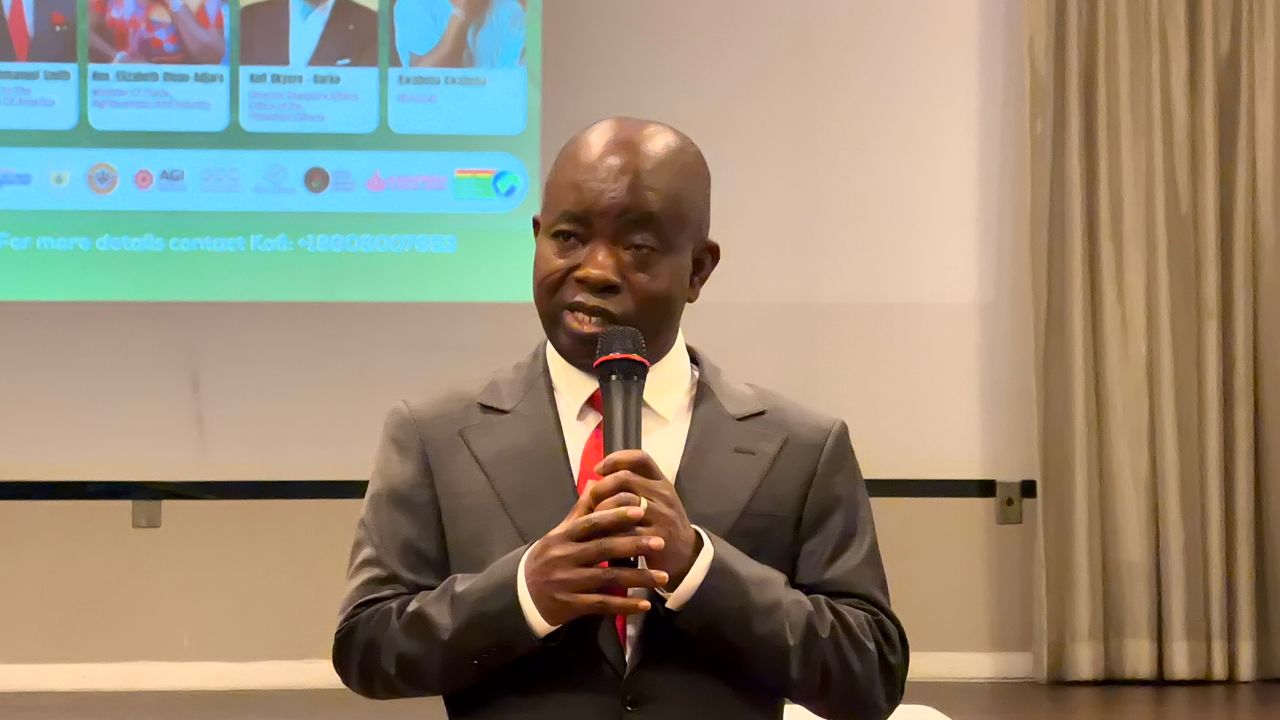
Addressing the gathering at the launch, Ghana's Minister for Sports and Recreation, Kofi Adams, delivered a passionate appeal for substantial investment in athletic infrastructure across the country. He articulated a compelling vision where athletics is not merely a sport but a potent instrument for national galvanization and socio-economic progress. Minister Adams lamented the glaring disparities in sports facilities, highlighting the unfortunate reality that numerous regions within Ghana lack adequate training tracks for aspiring young athletes. This deficit, he argued, hinders the nurturing of nascent talent and limits the potential for Ghana to produce future champions.
'Accra 2026 must transcend being just a competition; it must serve as a profound platform,' Minister Adams asserted, emphasizing the imperative to create immersive experiences for Ghana's youth. His vision extends to enabling young athletes to witness the pinnacle of African athletics firsthand, believing that such exposure will ignite their aspirations and provide an invaluable source of motivation. The presence of global icons on Ghanaian soil is expected to leave an indelible mark on a generation of youngsters, inspiring them to pursue their athletic dreams with renewed vigour and dedication. This focus on long-term development is crucial, moving beyond the immediate event to cultivate a sustainable legacy for Ghanaian sports.
Building a Lasting Legacy: Beyond the Finish Line
The decision to host the championships in Ghana signifies a strategic move to not only elevate the nation's sporting profile but also to initiate a transformative process for its athletic landscape. The event serves as a powerful impetus for accelerated development and upgrading of facilities, which will benefit local athletes long after the continental stars have departed. Investing in state-of-the-art training grounds, equipment, and coaching programmes is paramount to ensuring that the inspiration generated by Accra 2026 translates into tangible improvements at the grassroots level. This involves identifying talent early, providing consistent support, and establishing clear pathways for progression from school-level sports to elite international competition.
Beyond the immediate sporting spectacle, the African Senior Athletics Championships holds the potential for significant broader implications. Economically, the influx of athletes, officials, media, and spectators from across Africa and beyond will undoubtedly stimulate local businesses, particularly in the hospitality, tourism, and transportation sectors. Hotels, restaurants, and local vendors in Accra and surrounding areas are poised to experience a considerable boost. Socially, the event can foster a sense of national unity and collective purpose, rallying Ghanaians from all walks of life behind a common cause. It provides an opportunity to showcase Ghanaian culture, art, and innovation, enhancing the country's soft power and attractiveness as a destination.
Forging a Path for Future Generations and Regional Leadership
The aspiration to inspire the next generation of athletes is at the core of Ghana's motivation for hosting this championship. Minister Adams' emphasis on providing opportunities for young athletes to witness the competition is not a mere platitude but a recognition of the profound impact role models can have. When a young Ghanaian athlete sees someone like Faith Kipyegon or Letsile Tebogo perform live on their home soil, it transforms an abstract dream into a tangible possibility. This psychological boost is invaluable and can drive participation in sports, promoting healthier lifestyles and providing alternative avenues for youth development.
Furthermore, by successfully staging an event of this magnitude, Ghana aims to solidify its position as a regional leader in sports and event management. It sends a strong signal to the continent and the world that Ghana is ready and capable of handling complex international undertakings. The challenges associated with hosting such a significant championship—logistical complexities, security arrangements, and ensuring world-class facilities—are substantial, yet they present an unparalleled opportunity for national learning and growth. Overcoming these hurdles will not only enhance Ghana's reputation but also build institutional capacity within its sports federations and government agencies. This experience can then be leveraged for future bids to host even larger international sporting events, further cementing Ghana's place on the global sporting map and unlocking new avenues for national development.




0 Comments
Leave a Comment
No comments yet. Be the first to share your thoughts!