
- Ghana must intensify efforts to strengthen its sovereign credit profile to avoid high borrowing costs, the UNDP has warned.
- The country faces a significant SDG financing gap of between $60 and $70 billion by 2030.
- High borrowing costs risk crowding out spending on critical areas such as human development, climate resilience, and inclusive growth.
- The UNDP will continue to support Ghana's efforts to strengthen its credit profile and unlock sustainable financing.
Ghana's economic journey has been marked by significant challenges in recent years, including a default on its debt in December 2022 and an IMF-backed restructuring programme to restore macroeconomic stability. Despite taking bold steps to restore stability through an ambitious debt restructuring process, the country still faces a daunting task in strengthening its sovereign credit profile.
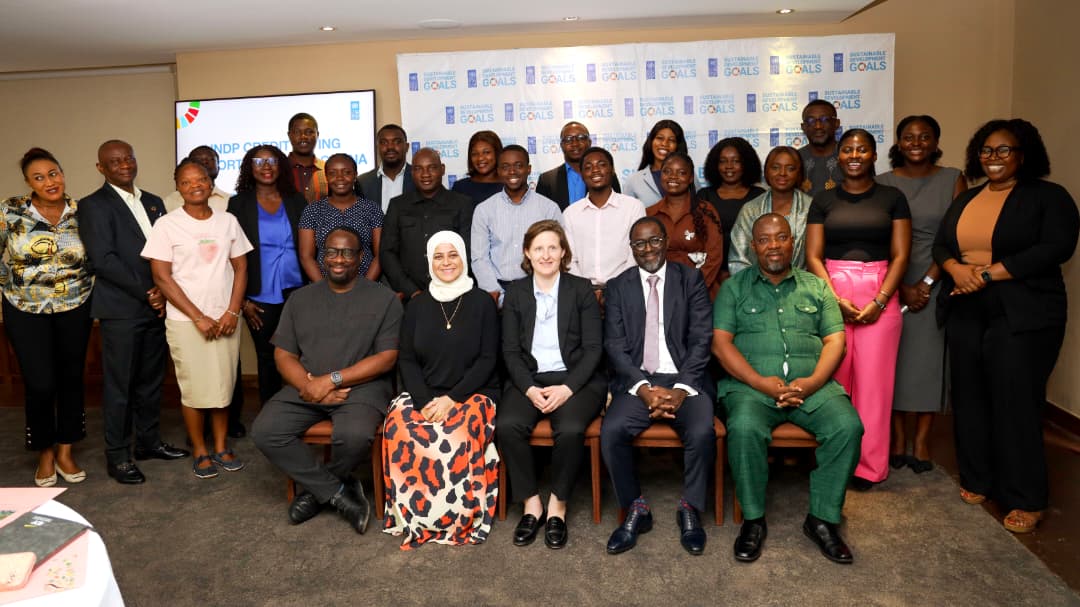
The United Nations Development Programme (UNDP) has highlighted the need for Ghana to intensify its efforts to improve its credit profile, warning that high borrowing costs could undermine the country's long-term development. Speaking at a national credit ratings workshop in Accra, UNDP Resident Representative Shaima Hussein emphasized the critical importance of building a strong credit profile, citing recent improvements in sovereign ratings as a positive step forward.
Background: Ghana's Debt Crisis
Ghana's debt crisis has its roots in the country's rapid economic growth in the early 2000s, which led to a significant increase in borrowing. The country's debt-to-GDP ratio skyrocketed, making it increasingly difficult to service its debt. The COVID-19 pandemic further exacerbated the situation, leading to a sharp decline in revenue and a widening of the budget deficit. The IMF-backed restructuring programme aimed at restoring macroeconomic stability has been a key step in addressing the crisis, but the road to recovery remains long and challenging.
As part of its efforts to rebuild its economic credibility, Ghana has taken steps to improve its debt management practices, including the introduction of a debt management strategy and the establishment of a debt management office. However, the country still faces significant challenges in building a strong credit profile, including a high debt-to-GDP ratio and a significant financing gap.
Strengthening Ghana's Credit Profile
The UNDP's warning comes at a critical moment, as Ghana works to rebuild its economic credibility and restore investor confidence. Improving its credit profile is essential for unlocking sustainable financing and achieving its development goals. To achieve this, Ghana must intensify its efforts to strengthen its credit profile, including improving its debt management practices and enhancing transparency and coordination across institutions.
According to Shaima Hussein, improving how Ghana communicates its economic story is also key. The training aims to help officials present a 'more compelling and credible' narrative to investors, while strengthening transparency and coordination across institutions. She urged participants to look beyond the technical aspects of credit ratings and focus on their wider impact.
When Ghana secures a stronger credit rating, it reduces borrowing costs and frees resources for critical investments. This, in turn, can help the country achieve its development goals and improve the lives of its citizens. The UNDP will continue to support Ghana's efforts to strengthen its credit profile and unlock sustainable financing needed to achieve its development goals.
Looking Ahead
Ghana's journey to strengthen its credit profile will be long and challenging, but with the right support and commitment, the country can unlock the financing it needs to achieve its development goals. The UNDP's warning serves as a stark reminder of the importance of building a strong credit profile and the need for Ghana to intensify its efforts to achieve this goal.
The country must continue to work towards improving its debt management practices, enhancing transparency and coordination across institutions, and improving its economic story. By doing so, Ghana can build a strong credit profile, reduce borrowing costs, and unlock sustainable financing needed to achieve its development goals.



0 Comments
Leave a Comment
No comments yet. Be the first to share your thoughts!