
Key Takeaways
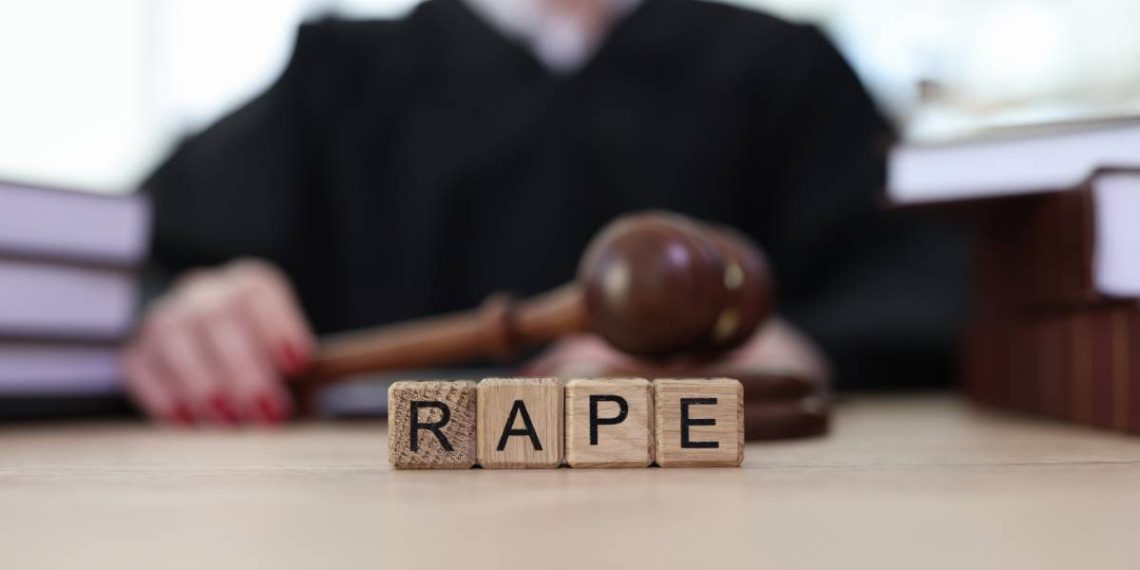
- Rape in Ghana can lead to a prison term of not less than 5 years and not more than 25 years.
- Defilement cases, involving minors under 16, can lead to a 7-year minimum and 25-year maximum prison term.
- Perpetrators of rape and gender-based violence come from all walks of life, including men of authority.
- The causes of domestic violence are multifaceted, including lack of self-confidence and assertiveness.
The Adaklu District Police Commander, Madam Esther Buakuma, has issued a stern warning to perpetrators of rape and gender-based violence in Ghana. Speaking at an engagement with boys and men at the Adaklu Waya animal market, Madam Buakuma emphasized that the consequences of such crimes can be severe.
According to Madam Buakuma, rape can lead to a prison term of not less than 5 years and not more than 25 years under Section 97 of the Criminal Offences Act, 1960 (Act 29). Defilement cases, involving minors under 16, can lead to a 7-year minimum and 25-year maximum prison term under Section 101 of Act 29.
Background & Context
The engagement was part of a broader effort to educate and empower participants on adolescent health, gender equality, and the prevention of gender-based violence. The programme was funded by Global Affairs Canada and implemented by the National Commission for Civic Education (NCCE) in collaboration with the United Nations Population Fund (UNFPA).
Ghana has made significant strides in addressing gender-based violence, but there is still much work to be done. The country's laws and policies are in place to protect victims and hold perpetrators accountable, but enforcement remains a challenge.
Why This Matters
The consequences of rape and gender-based violence extend far beyond the immediate victims. These crimes can have a ripple effect on families, communities, and society as a whole. It is essential that perpetrators are held accountable and that efforts are made to prevent such crimes from occurring in the first place.
Madam Buakuma's warning serves as a reminder that rape and gender-based violence will not be tolerated in Ghana. The country must continue to work towards creating a safe and supportive environment for all individuals, particularly women and children.
Looking Ahead
The NCCE and other stakeholders must continue to work together to promote awareness and education on gender-based violence. This includes engaging men and boys in the conversation and encouraging them to take an active role in preventing such crimes.
By working together, Ghana can create a safer and more equitable society for all.
Broader Implications
The issue of rape and gender-based violence is not unique to Ghana. It is a global problem that requires a collective response. International partnerships and collaborations can play a critical role in supporting Ghana's efforts to address this issue.
Image Source: https://www.adomonline.com/wp-content/uploads/2026/06/image-859.png






0 Comments
Leave a Comment
No comments yet. Be the first to share your thoughts!