

Key Takeaways
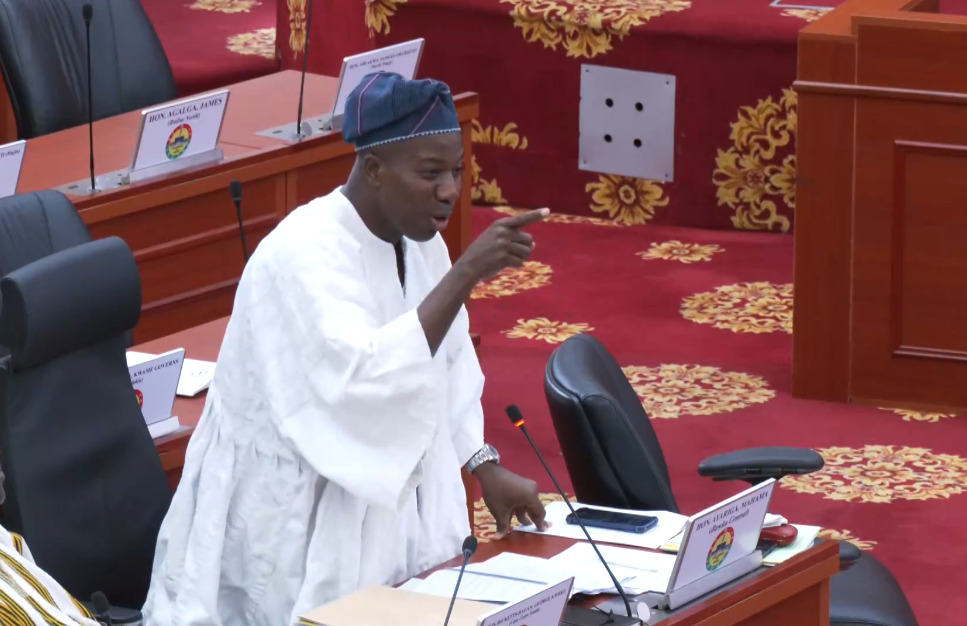
- The Human Sexual Rights and Family Values Bill, 2025, has sparked a power struggle between Ghana's Parliament Majority Leader Mahama Ayariga and Speaker Alban Bagbin.
- Ayariga insists that Parliament validly passed the bill, while Bagbin has called for a revisit of the passage due to concerns over the legislative process.
- The bill aims to prohibit LGBTQ+ activities, including same-sex marriage and the promotion of LGBTQ+ rights.
Ghana's Parliament has been at the center of a heated debate over a controversial anti-LGBTQ bill. The Human Sexual Rights and Family Values Bill, 2025, has been passed by the House, but Speaker Alban Bagbin has raised concerns over the process, leading to a power struggle with Majority Leader Mahama Ayariga.
The bill, which has been a topic of discussion for months, aims to prohibit LGBTQ+ activities, including same-sex marriage and the promotion of LGBTQ+ rights. Ayariga insists that Parliament followed the necessary procedures and validly passed the bill, while Bagbin has called for a revisit of the passage due to concerns over the legislative process.
Background & Context
Ghana has a history of conservative attitudes towards LGBTQ+ rights, with many Ghanaians opposing the promotion of LGBTQ+ activities. In 2018, the country's Supreme Court ruled that a ban on same-sex relationships was unconstitutional, but the ruling did not lead to a significant shift in public opinion.
The Human Sexual Rights and Family Values Bill, 2025, is part of a broader effort to regulate LGBTQ+ activities in Ghana. The bill has been met with both support and opposition from various stakeholders, including human rights activists and religious groups.
The power struggle between Ayariga and Bagbin adds a new dimension to the debate over the bill. The Speaker's decision to call for a revisit of the passage has sparked concerns over the legitimacy of the bill and the authority of the Speaker to intervene in the legislative process.
Why This Matters
The outcome of this power struggle will have significant implications for the passage of the bill and the future of LGBTQ+ rights in Ghana. If the bill is passed, it will be a major victory for conservative groups and a setback for LGBTQ+ activists.
On the other hand, if the bill is rejected or sent back to the committee, it will be a significant blow to the efforts of conservative groups to regulate LGBTQ+ activities in Ghana. The decision will also have broader implications for the country's human rights record and its relations with the international community.
Speaker's Appeal
Speaker Alban Bagbin has directed the House to revisit the passage of the anti-LGBTQ bill. In his appeal, Bagbin emphasized the importance of bipartisan support and adherence to the procedures established by the Constitution and the Standing Orders of Parliament.
Bagbin's decision to call for a revisit of the passage has sparked concerns over the legitimacy of the bill and the authority of the Speaker to intervene in the legislative process. The move has also raised questions over the motivations behind the Speaker's decision and the potential impact on the bill's passage.
Looking Ahead
The power struggle between Ayariga and Bagbin will continue to dominate the headlines in the coming days. The outcome of this struggle will have significant implications for the passage of the bill and the future of LGBTQ+ rights in Ghana.
The decision will also have broader implications for the country's human rights record and its relations with the international community. As the debate over the bill continues, it is essential to remain vigilant and ensure that the process is transparent and accountable to all stakeholders.
Image Source: https://www.myjoyonline.com/wp-content/uploads/2025/12/mahama-ayariga-recess.jpg



0 Comments
Leave a Comment
No comments yet. Be the first to share your thoughts!