
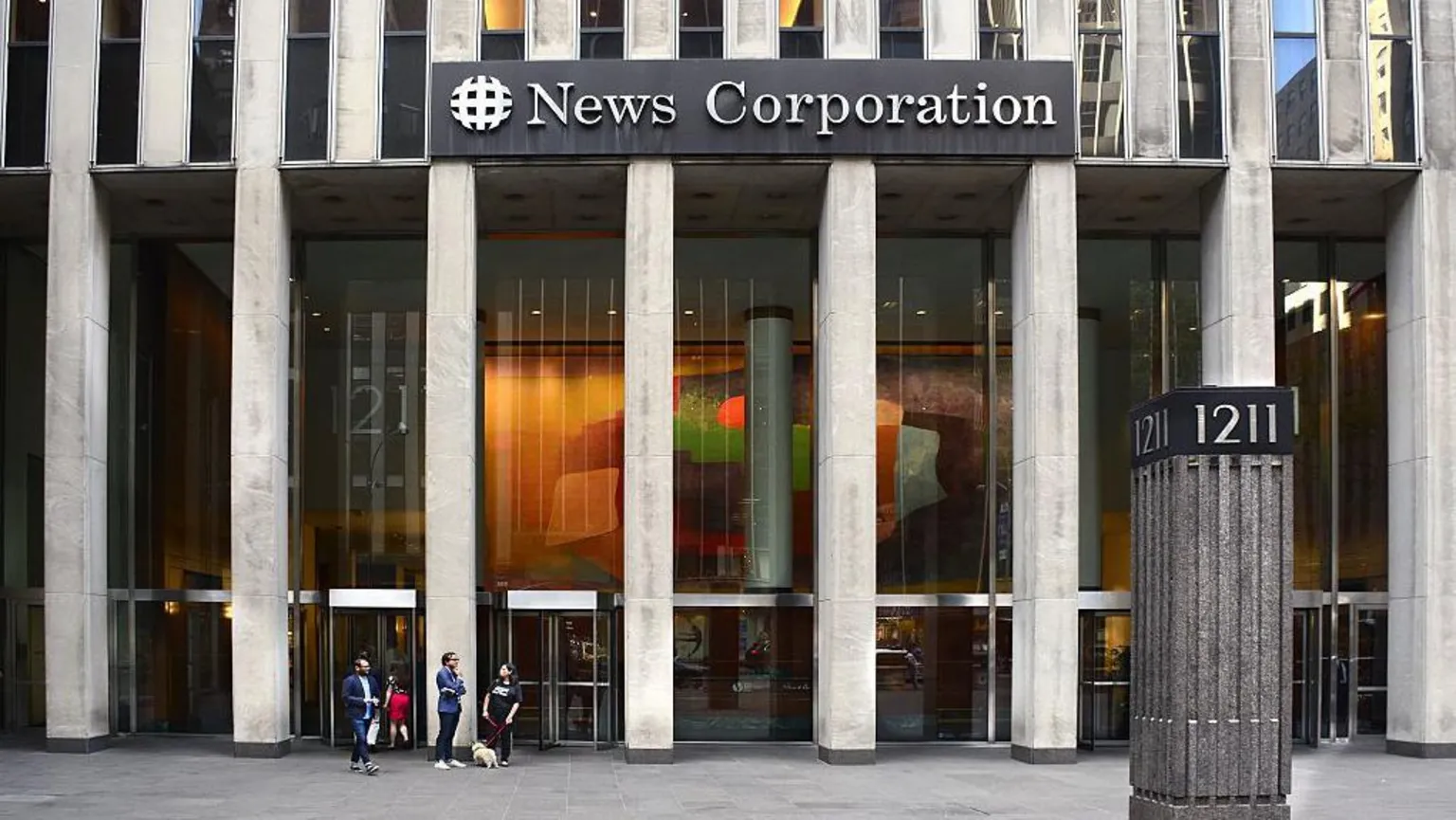
- US Judge Darrin Gayles dismisses case against Wall Street Journal over story about Trump's ties to convicted sex offender Jeffrey Epstein.
- Trump sues the newspaper and its owners for at least $10bn in damages, claiming defamation over a 2003 birthday book message.
- The judge rules that Trump failed to prove the newspaper acted with actual malice, paving the way for a new lawsuit.
The world of journalism has just witnessed a significant development in the ongoing battle between truth and defamation. In a Florida federal court, US Judge Darrin Gayles has dismissed a case brought by US President Donald Trump against the Wall Street Journal (WSJ) over a story that linked him to convicted sex offender Jeffrey Epstein. The case has sent shockwaves across the globe, sparking intense debate about the role of the press in holding public figures accountable.
At the heart of the controversy is a 2003 birthday book message allegedly signed by Trump, which was included in the WSJ's 17 July report. According to the newspaper, the message featured a drawing of a woman's body, leading Trump to claim that the WSJ had defamed him. In his lawsuit, Trump sought at least $10bn in damages, arguing that the newspaper had acted with actual malice in publishing the story.
A Defamation Lawsuit with Global Implications
The case has far-reaching implications for the global media landscape. In the United States, the First Amendment protects freedom of the press, allowing newspapers to publish stories about public figures without fear of reprisal. However, the courts have established a high bar for proving defamation, requiring plaintiffs to demonstrate that the media outlet acted with actual malice. This means that the defendant must have known or should have known that the statement was false or acted in reckless disregard of its truthfulness.
Trump's lawsuit against the WSJ relied on the argument that the newspaper had deliberately published a false story to harm his reputation. However, Judge Gayles rejected this claim, stating that Trump had "not plausibly alleged that the Defendants published the Article with actual malice." This ruling means that the WSJ will not face any liability for publishing the story, but Trump will be allowed to refile the lawsuit with new evidence.
The Impact on Ghana's Campus Community
The decision has significant implications for Ghana's campus community, where freedom of the press is a cornerstone of academic discourse. Students and faculty alike rely on newspapers and online media outlets to stay informed about current events and issues affecting their lives. The Trump-WSJ case serves as a reminder that the press plays a crucial role in holding public figures accountable and promoting transparency in governance.
Ghanaian students and academics can learn from this case the importance of fact-based journalism and the need to differentiate between opinion and fact. As the global landscape becomes increasingly complex, the need for accurate and unbiased reporting is more critical than ever.
Looking Ahead
The outcome of this case is a testament to the importance of a free and independent press. As the Trump-WSJ saga continues to unfold, it is essential to remember that the media plays a vital role in promoting accountability and transparency in governance. By upholding the principles of fact-based journalism, we can ensure that the truth prevails, even in the face of intense scrutiny.
In conclusion, the US Judge's decision to dismiss Trump's defamation case against the Wall Street Journal sends a powerful message about the importance of a free press. As the world continues to grapple with the complexities of modern journalism, one thing is clear: the pursuit of truth and accuracy remains the cornerstone of a healthy democracy.






0 Comments
Leave a Comment
No comments yet. Be the first to share your thoughts!