

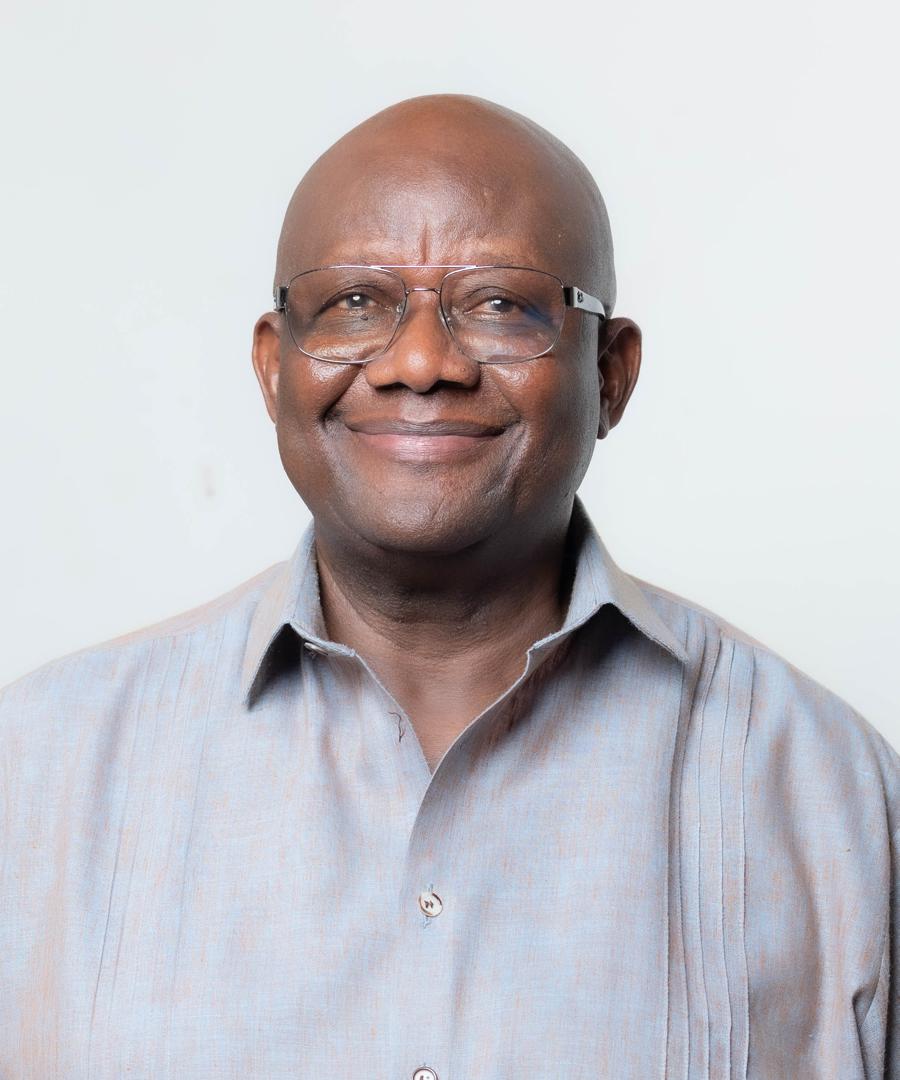
- Chief of Staff Julius Debrah emphasizes the importance of mentorship in fostering a strong and sustainable Ghanaian economy.
- Debrah calls on established entrepreneurs to invest in mentoring young business leaders.
- Mentorship, according to Debrah, is a two-way street that requires humility and a willingness to learn from experienced mentors.
- The Chief of Staff frames mentorship as a vital tool for building resilient institutions and ensuring Ghana's economic prosperity.
Ghana's path to long-term economic prosperity has been a topic of discussion among policymakers and business leaders for years. Recently, Chief of Staff Julius Debrah shed light on a crucial element that can help the country achieve its development goals: mentorship. Speaking at the Kwahu Business Forum 2026, Debrah highlighted the significance of established entrepreneurs and business leaders guiding younger generations in the pursuit of economic success.
The Chief of Staff's message is a clarion call for seasoned business leaders to take an active role in mentoring young entrepreneurs. According to Debrah, those who have built successful enterprises carry a responsibility not only to preserve their achievements but to help reproduce excellence in the next generation. This, he believes, is essential for fostering a strong and sustainable Ghanaian economy.
Mentorship as an Economic Strategy
Debrah emphasized that mentorship is not charity, but rather an economic strategy that can yield long-term benefits for the economy. He urged seasoned business leaders to open doors, share hard-earned lessons, and provide guidance that allows emerging entrepreneurs to avoid preventable mistakes. This approach, he believes, will enable Ghana to build resilient institutions, nurture innovation, and expand opportunities.
The Chief of Staff also stressed that mentorship is a two-way street. Young business leaders must approach guidance with humility, discipline, and a willingness to learn, recognizing that listening to experienced mentors is essential to enduring success. Debrah's words serve as a reminder that mentorship requires a mutual commitment between the mentor and the mentee.
A Legacy of Excellence
The legacy of Ghana's business leaders is a testament to the power of mentorship. Many successful entrepreneurs have attributed their success to the guidance and support they received from experienced mentors. By investing in mentorship, Ghana can replicate this success and ensure that the next generation of entrepreneurs is equipped to tackle the challenges of the 21st century.
Debrah's call to action is a timely reminder that the future of Ghana's economy depends on the collective efforts of its business leaders. By prioritizing mentorship, Ghana can create a culture of excellence that will propel the country towards sustainable economic growth and development.
What This Means
The Chief of Staff's emphasis on mentorship as a vital tool for Ghana's economic prosperity has far-reaching implications. It highlights the need for a collaborative approach to economic development, where established business leaders take an active role in guiding younger entrepreneurs. This approach will enable Ghana to build a strong and sustainable economy that benefits all citizens.
As Ghana looks to the future, it is essential that policymakers and business leaders prioritize mentorship as a key strategy for economic development. By doing so, Ghana can create a culture of excellence that will drive innovation, nurture entrepreneurship, and propel the country towards long-term economic prosperity.
Ghana's economic future hinges on the ability of its business leaders to invest in mentorship and guide the next generation of entrepreneurs. By doing so, the country can create a strong and sustainable economy that benefits all citizens.
With Debrah's call to action, Ghana is poised to embark on a new era of economic growth and development. The question remains: will business leaders answer the call and prioritize mentorship as a vital tool for Ghana's economic prosperity?





0 Comments
Leave a Comment
No comments yet. Be the first to share your thoughts!