
Key Highlights
- Ghana faces significant economic risks due to its heavy reliance on global markets and imported refined products.
- A political marketing expert urges stronger enforcement of local content laws, particularly in the oil and gas sector.
- The nation's economy remains susceptible to international price volatility for raw material exports like oil, gold, and cocoa.
- A call is made for a non-partisan, unified national strategy to bolster economic resilience against external shocks.
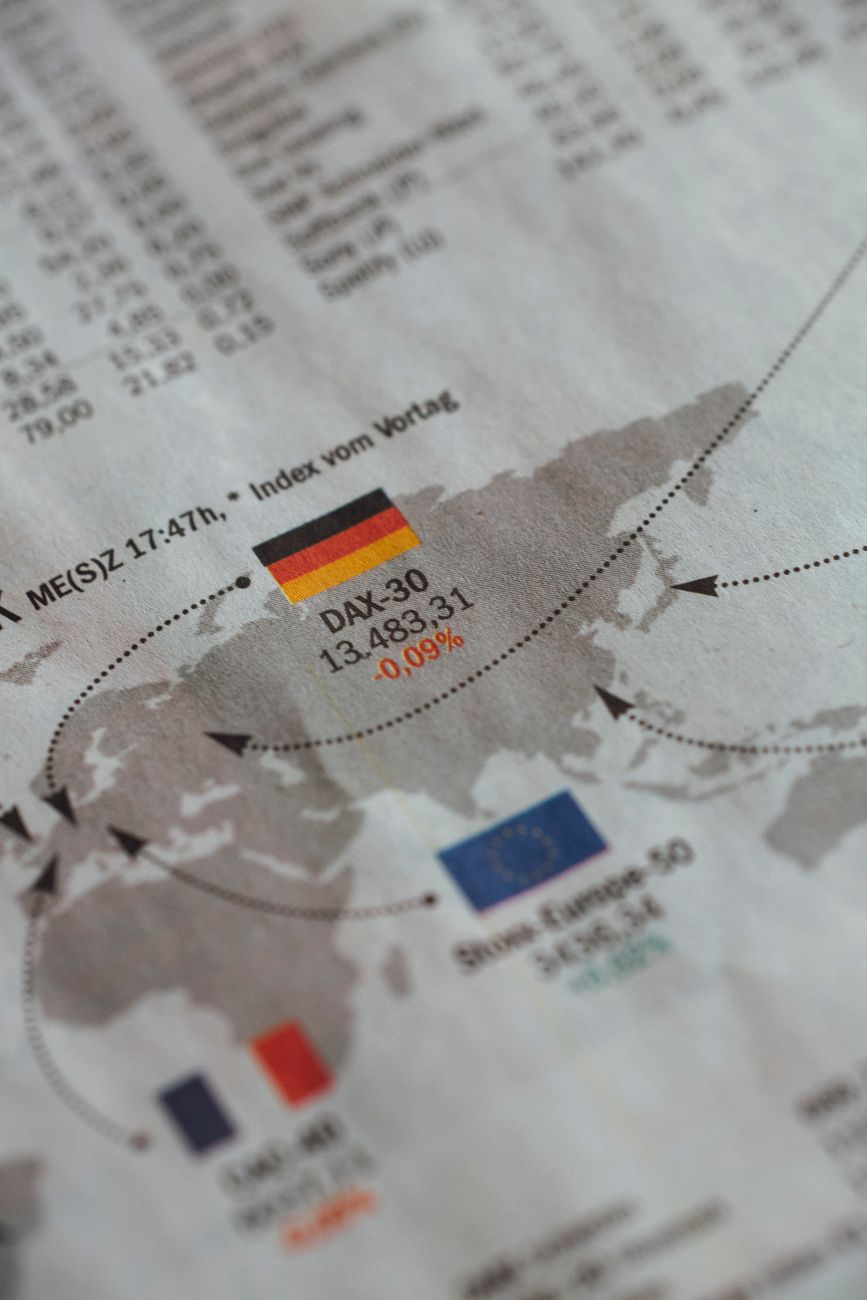
The fragile state of Ghana's economy, perpetually teetering on the edge of global instability, has been starkly highlighted by recent geopolitical tensions. As military exchanges between Israel, Iran, and the United States escalate, sending ripples of fear across the world and disrupting critical shipping routes like the Strait of Hormuz, Ghana finds itself once again at the mercy of external forces. This vulnerability, Dr. Bernard Tutu-Boahene, a lecturer in political marketing at the University of Education, Winneba, warns, is not just concerning – it's a critical threat to national stability that demands immediate attention.
A Nation on Shaky Ground
Speaking on JoyNews’ AM Show, Dr. Tutu-Boahene expressed deep apprehension about Ghana's enduring reliance on external economic factors. "I think that this is worrying," he stated emphatically. "I think that this is worrying when we have this problem coming to us. Because the question I ask myself when it comes to external pressures on our economy, on governments' initiatives, and our agenda is this: I get a bit worried. And I seem not to be having concrete answers." This sentiment underscores a pervasive feeling of powerlessness as global crises inevitably translate into domestic economic hardship, despite Ghana's abundant human and natural resources.
The Local Content Conundrum
A significant part of this vulnerability, Dr. Tutu-Boahene argues, stems from the weak enforcement of local content policies, particularly within the lucrative oil and gas sector. The paradox of Ghana, an oil-producing nation, heavily relying on imported refined petroleum products is a glaring indictment of current policies. "What happened to our local content law?" he questioned. "That even in signing contracts, when it comes to the extraction of crude oil, we don't really consider local content to the point that it would benefit us." He posited that establishing and strengthening local refining capabilities could dramatically mitigate the impact of global supply disruptions and potentially lower costs for consumers. The argument that distance is a key factor in pricing suggests that refining crude oil within Ghana should logically result in more affordable fuel, even if global prices fluctuate. While acknowledging industry concerns about pricing at local refineries, Dr. Tutu-Boahene maintained that the inherent reduction in transportation costs should offer a competitive advantage.
Raw Exports: A Double-Edged Sword
The lecturer further identified Ghana's persistent dependence on exporting raw materials – crude oil, gold, and cocoa – as a primary risk factor. This model leaves the national economy acutely exposed to the volatile fluctuations of global commodity prices, over which Ghana has virtually no control. "We know from the past and even present that external factors are something we are not in a position to control, especially crude oil prices, gold prices, cocoa prices, and other resources. And we mostly export them in their rough form," he observed. This practice not only exposes the economy to price shocks but also means Ghana misses out on the significant value addition that could be generated through local processing and manufacturing.
A Call for National Unity and Foresight
Dr. Tutu-Boahene issued a stern warning against Ghana's continued subservience to global geopolitical whims. "We cannot continue relying on what will happen in Iran, in the Gulf. We cannot continue to suffer from wars that we cannot control. And we can equally not continue to suffer from world market trade that we don't have control over," he stressed. He lamented the politicisation of economic challenges, where partisan interests often eclipse the urgent need for pragmatic, long-term solutions. The lecturer implored political actors to transcend party lines and focus on national development, advocating for a collaborative, non-partisan approach to economic policy-making. "If parliaments can come up with an act that will pay more attention to local content issues, and then probably in future explorations and finding resources and all that, we probably would look at the value chain processes and take advantage of them," he suggested as a crucial starting point. He concluded by emphasizing the necessity of a united front: "So if we can all come together to understand some of these things and then give ourselves that kind of opportunity to discuss them fairly, without any political attachments, of course, we will be moving forward as a country." Only through such a unified and forward-thinking strategy can Ghana hope to build the economic resilience needed to navigate an increasingly unpredictable global landscape.




0 Comments
Leave a Comment
No comments yet. Be the first to share your thoughts!