

Key Takeaways
- The Ghana Energy Commission reaffirms its commitment to driving the country's clean energy transition.
- The Commission is developing an Energy Performance Certification framework for buildings and implementing the Net Metering Programme.
- These initiatives aim to democratize energy generation, reduce pressure on the national grid, and accelerate clean energy adoption.
- The Public Facility Sustainable Energy Action Plan (PF-SEAP) is set to accelerate energy efficiency and clean energy adoption within public institutions.
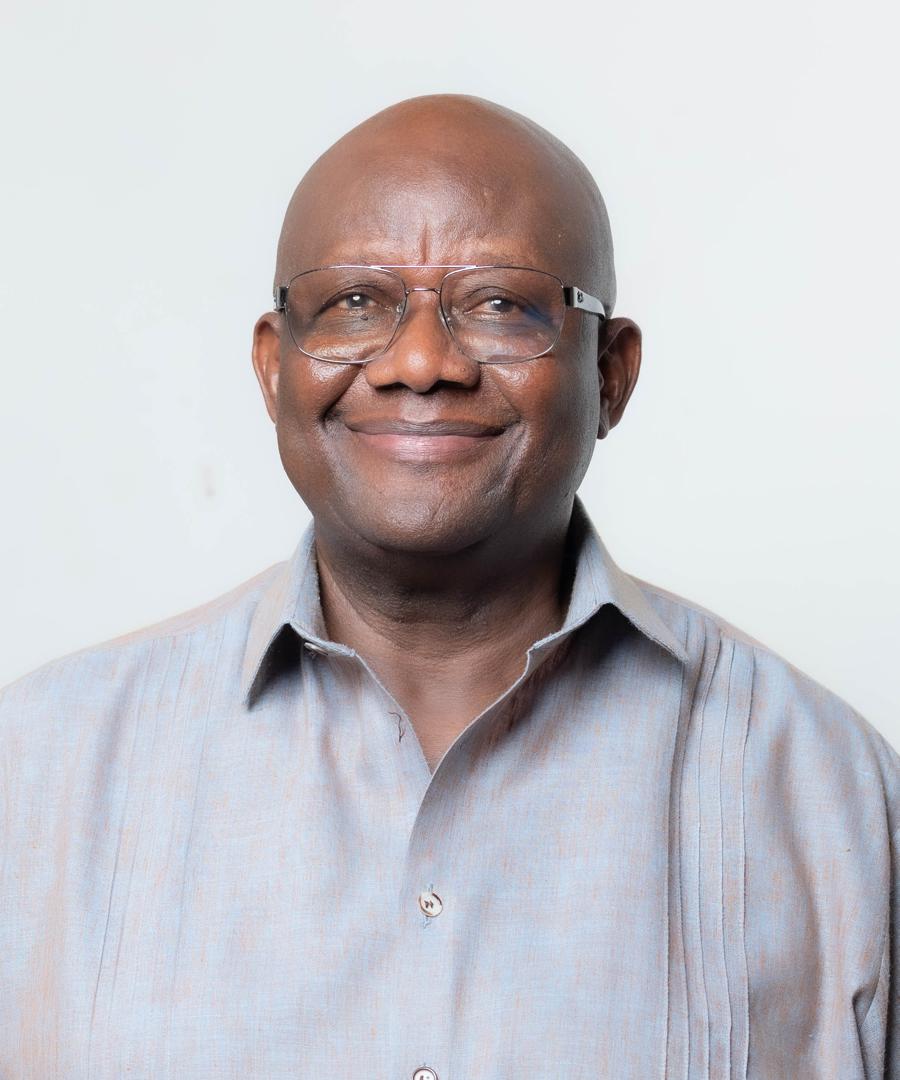
Ghana's clean energy transition is gaining momentum, with the Energy Commission at the forefront of the drive. Speaking at the Sustainable Energy B2B Expo 2026 in Accra, Deputy Executive Secretary Chris Yalley reaffirmed the Commission's commitment to strategic partnerships, innovation, and regulatory leadership.
The Commission's key initiatives, as outlined by Mr. Yalley, include the development of an Energy Performance Certification framework for buildings and progress on Electric Vehicle Charging Regulations. The Net Metering Programme, which empowers consumers to generate electricity through rooftop solar systems, is also set to be implemented.
Background & Context
The Energy Commission's efforts to promote sustainable energy are part of a broader national vision to reduce Ghana's reliance on fossil fuels and mitigate the impacts of climate change. The Commission has been working closely with industry stakeholders, policymakers, and development partners to create an enabling environment for the growth of the renewable energy sector.
Ghana's renewable energy potential is significant, with solar, wind, and hydro power offering vast opportunities for energy generation. The Commission's initiatives aim to unlock these opportunities and drive economic growth while ensuring energy security and reducing greenhouse gas emissions.
Why This Matters
The Ghana Energy Commission's commitment to driving the clean energy transition is crucial for the country's economic and environmental future. By promoting sustainable energy practices and investing in renewable energy technologies, Ghana can reduce its reliance on imported fossil fuels, create jobs, and improve energy access for all citizens.
The Commission's initiatives also align with Ghana's Nationally Determined Contribution (NDC) to the Paris Agreement, which aims to reduce greenhouse gas emissions by 30% by 2030. By accelerating clean energy adoption and promoting energy efficiency, the Energy Commission is helping to realize this ambitious target.
Looking Ahead
As Ghana continues to drive its clean energy transition, the Energy Commission's commitment to strategic partnerships and regulatory leadership will be crucial in unlocking the sector's potential. With the Sustainable Energy B2B Expo 2026 serving as a platform for dialogue and investment opportunities, the future of Ghana's energy sector looks bright.
The Commission's initiatives will not only drive economic growth but also contribute to a cleaner, more resilient, and energy-secure future for Ghana. As Deputy Executive Secretary Chris Yalley aptly put it, 'Together, we can power Ghana's future sustainably.'
Image Source: https://www.myjoyonline.com/wp-content/uploads/2026/05/Science-Clean-Energy-2.jpg



0 Comments
Leave a Comment
No comments yet. Be the first to share your thoughts!