
Key Takeaways
- The Public Interest and Accountability Committee (PIAC) has accused the Finance Ministry and Parliament of breaching the Petroleum Revenue Management Act by maintaining the Ghana Stabilisation Fund cap at $100 million instead of the legally required $584.22 million.
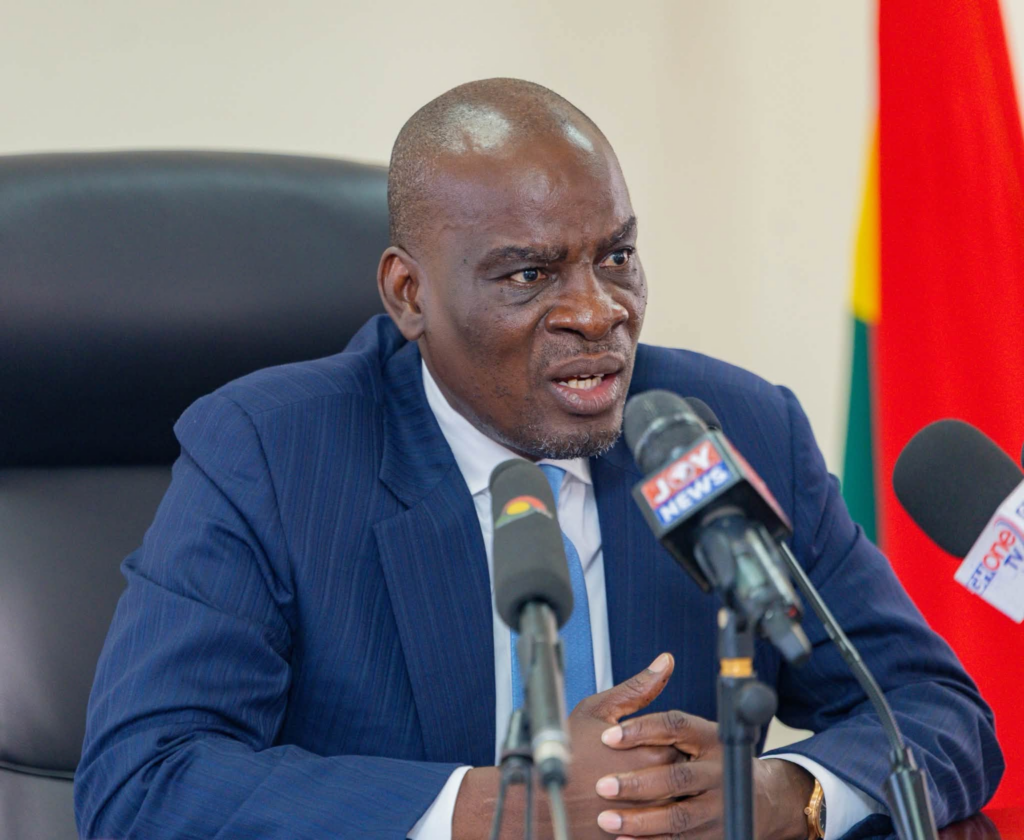
- PIAC Chair, Samuel Bekoe, called on the Finance Minister to apply the correct figure going forward and urged Parliament to ensure strict compliance with the law during the budget approval process.
- The committee also recommended the transfer of funds allocated to the 'Big Push' programme from the Annual Budget Funding Amount (ABFA) to the Ghana Infrastructure Investment Fund (GIIF).
- PIAC is seeking a comprehensive review of the Petroleum Revenue Management Act to establish clear criteria for project selection and strengthen expenditure monitoring systems.
Ghana's Finance Ministry and Parliament have been accused of breaching the Petroleum Revenue Management Act by maintaining the Ghana Stabilisation Fund cap at $100 million instead of the legally required $584.22 million.
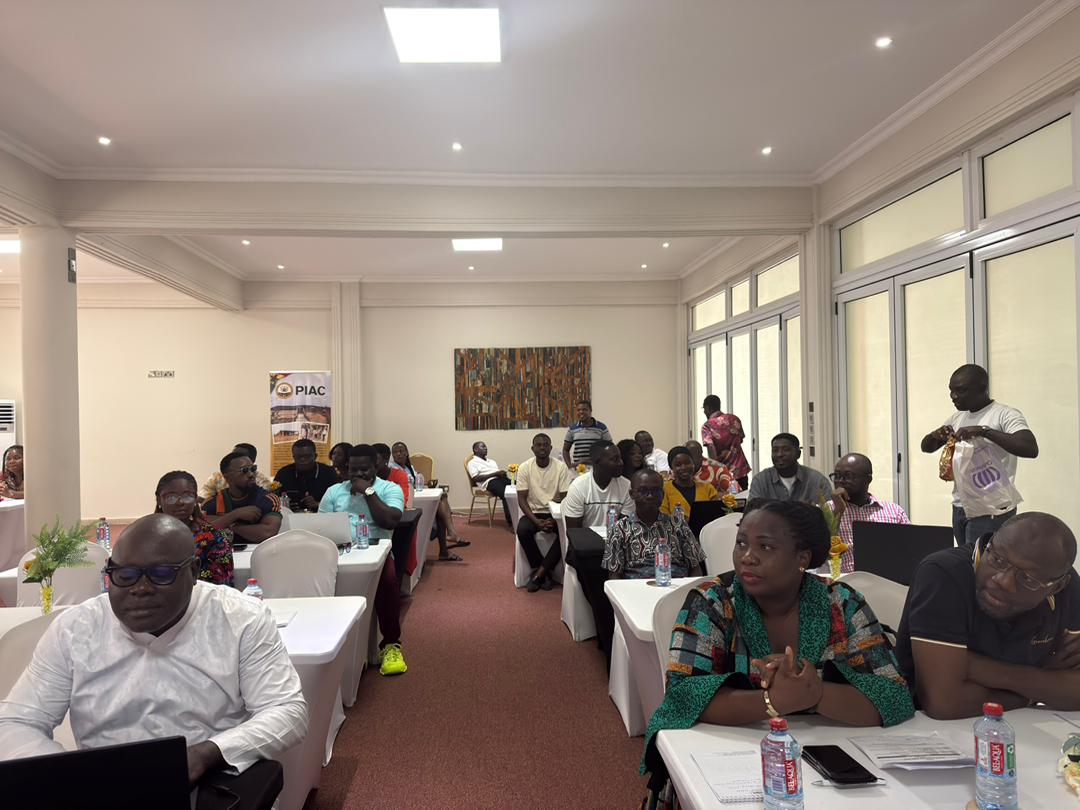
The Public Interest and Accountability Committee (PIAC) made this accusation during a media engagement on its 2025 Annual Report over the weekend.
Background & Context
The Petroleum Revenue Management Act was introduced in 2011 to regulate the management of oil revenues in Ghana. The law requires the cap on the Ghana Stabilisation Fund to be calculated based on the average expected petroleum revenue for a three-year period.
According to PIAC, the projected oil revenues for 2024, 2025, and 2026 amount to approximately $1.75 billion, giving an average of $584.22 million for 2025.
PIAC's Recommendations
PIAC Chair, Samuel Bekoe, called on the Finance Minister to apply the correct figure going forward and urged Parliament to ensure strict compliance with the law during the budget approval process.
He also recommended that the government enact legislation to regulate the transfer of funds allocated to the 'Big Push' programme from the ABFA to the GIIF.
Bekoe noted that GIIF's investment in the Accra International Airport was a successful example of the fund's effectiveness, generating $17.9 million in interest and fees, representing nearly 60 per cent of the initial investment.
Amendments to the Petroleum Revenue Management Act
PIAC also highlighted the need for comprehensive amendments to the Petroleum Revenue Management Act to address the challenges facing the management of oil revenues in Ghana.
The committee noted that the law has undergone several changes since its introduction in 2011, with a comprehensive review process initiated in 2018 and 2019 stalling between 2020 and 2024.
In 2025 alone, Parliament passed two amendments to the Act, restricting the use of the ABFA exclusively to infrastructure projects under the Big Push programme and expanding the range of investment options available to the Ghana Petroleum Funds.
Why This Matters
The management of oil revenues in Ghana is a critical issue that requires transparency and accountability.
PIAC's recommendations aim to address the challenges facing the management of oil revenues in Ghana and ensure that the country benefits from its natural resources.
The need for comprehensive amendments to the Petroleum Revenue Management Act highlights the importance of good governance and the need for stakeholders to work together to address the challenges facing the management of oil revenues in Ghana.
Looking Ahead
PIAC's call for a comprehensive review of the Petroleum Revenue Management Act is a timely reminder of the need for good governance in the management of oil revenues in Ghana.
The committee's recommendations aim to address the challenges facing the management of oil revenues in Ghana and ensure that the country benefits from its natural resources.
Image Source: https://www.myjoyonline.com/wp-content/uploads/2026/05/image-2276.png




0 Comments
Leave a Comment
No comments yet. Be the first to share your thoughts!