
Key Takeaways
- Ghana lacks a dedicated defamation law, exposing journalists to strategic lawsuits.
- The absence of codified legislation has created legal uncertainty, making it easier for powerful individuals to weaponise the courts.
- Journalists are often burdened with costly legal battles they may be unable to sustain, leading to self-censorship.
Ghana's legal framework on defamation remains grounded in common law, without a standalone legislation defining the offence or establishing clear legal parameters. This has created an environment where powerful individuals can silence the media through Strategic Lawsuits Against Public Participation (SLAPPs).
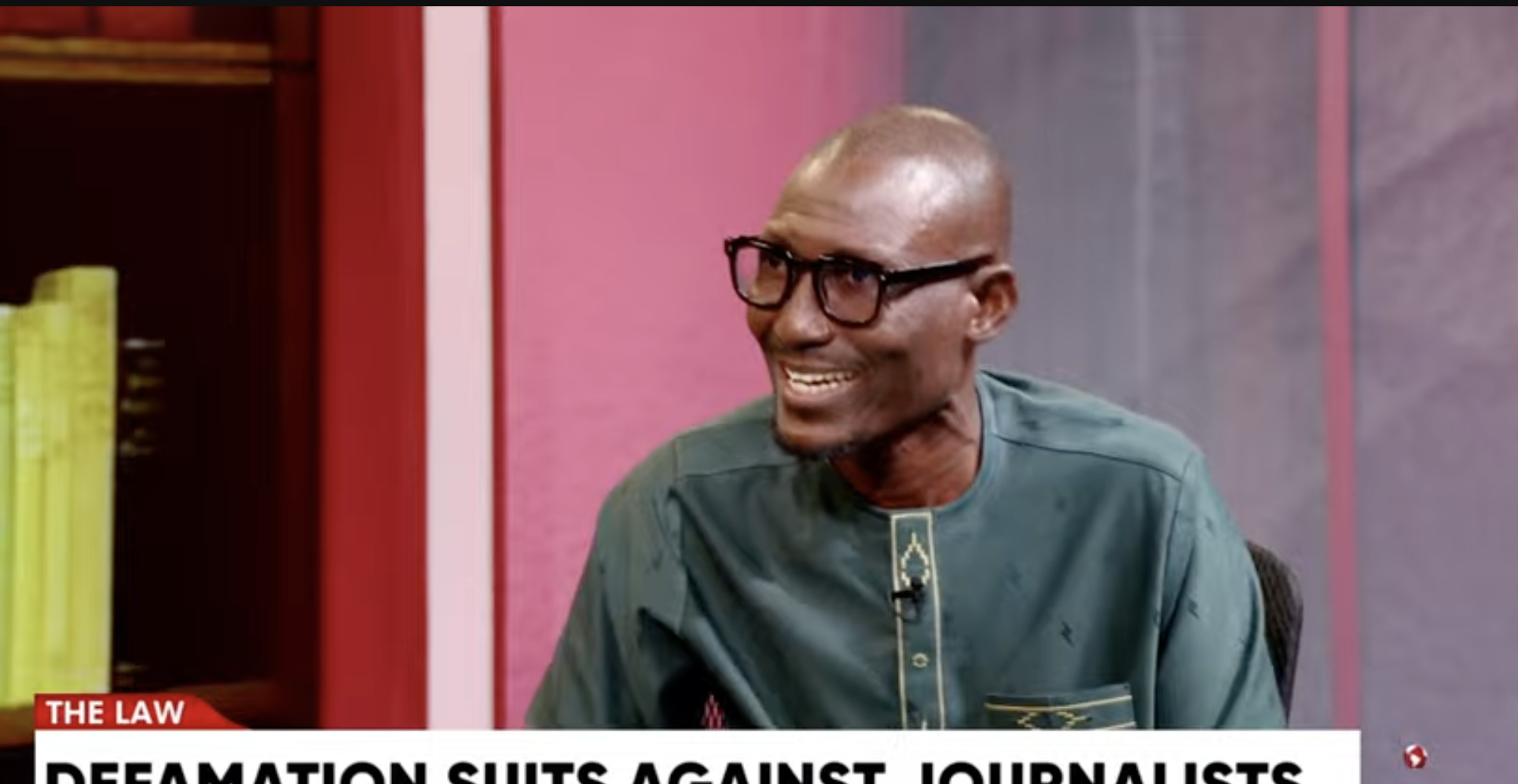
Lecturer and lawyer Zakaria Tanko Musah emphasized that the lack of a clear definition of defamation creates legal uncertainty, making it difficult for judges to make consistent decisions. He also noted that the absence of codified legislation makes it easier for individuals to weaponise the courts against journalists.
Background & Context
The concept of defamation has been a subject of debate in Ghana for years. The country's legal framework, grounded in common law, has struggled to keep pace with the evolving media landscape. As a result, journalists are often left to navigate a complex and unpredictable legal environment.
The absence of a dedicated defamation law has also led to the proliferation of Strategic Lawsuits Against Public Participation (SLAPPs). These lawsuits are often filed not to seek justice, but to intimidate and silence the media. In Ghana, SLAPPs have become a tool for powerful individuals to target journalists and suppress critical reporting.
Why This Matters
The implications of Ghana's lack of a defamation law are far-reaching. Journalists are often forced to self-censor, fearing the financial and emotional burden of costly legal battles. This leads to a chilling effect on press freedom, as journalists are reluctant to report on sensitive issues that may attract the attention of powerful individuals.
The consequences of this trend are severe. A free and independent press is essential for a healthy democracy. Without it, citizens are left in the dark, and the rule of law is undermined. The Ghanaian media must continue to push for a dedicated defamation law that protects journalists and ensures a free and fair press.
Looking Ahead
The Ghana Journalists Association (GJA) has urged individuals and institutions to exercise their right of rejoinder instead of immediately resorting to litigation. This approach has been successful in the past, as seen in a previous instance where a former Attorney General responded to a publication by submitting a rejoinder to the Graphic newspaper.
The GJA has also emphasized the importance of strict adherence to its Code of Ethics, which overlaps with existing laws. By complying with the code, journalists can significantly reduce their exposure to legal action and ensure a free and fair press.
Image Source: https://www.myjoyonline.com/wp-content/uploads/2026/06/Screenshot-2026-06-28-at-14.26.31.png




0 Comments
Leave a Comment
No comments yet. Be the first to share your thoughts!