
Key Takeaways
- Ghana's recurring June floods are a result of institutional and governance failures.
- Weak enforcement of planning regulations and lack of accountability put lives at risk.
- Entrepreneur Victoria Bright calls for stronger accountability measures, including sanctions and prosecutions.
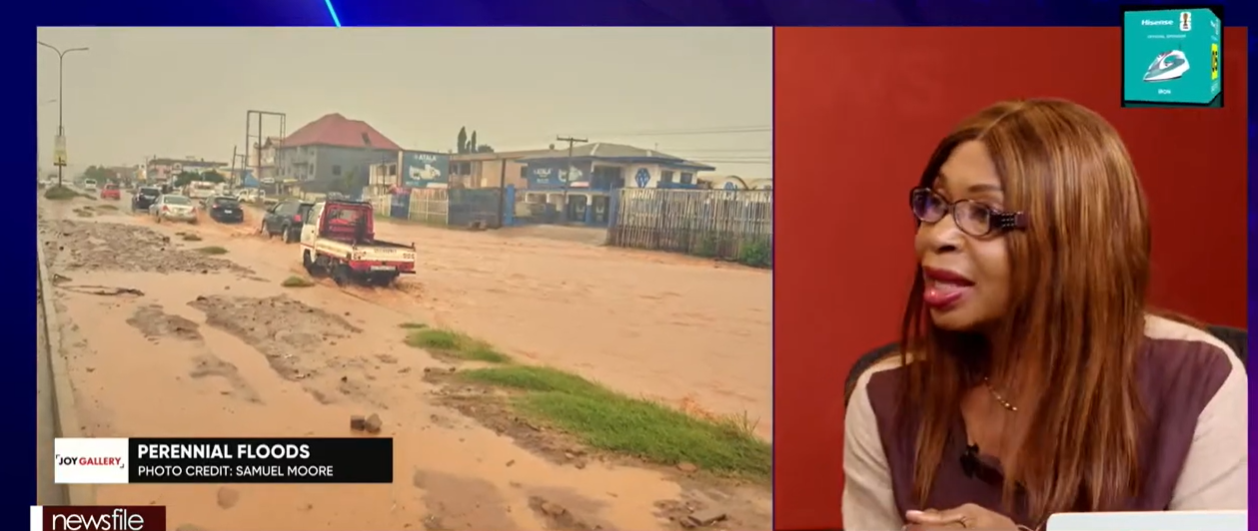
Ghana's annual flooding crisis has become a recurring theme, with thousands of people affected every year. The causes of this disaster are well-known and largely preventable, according to entrepreneur and private legal practitioner Victoria Bright.
Speaking on JoyNews' Newsfile, Ms. Bright attributed the recurring floods to institutional and governance failures. She pointed out that weak enforcement of planning regulations and lack of accountability continue to put lives at risk. Ms. Bright emphasized that the annual flooding crisis should no longer come as a surprise, as the causes are well-known and largely preventable.
Background & Context
Ghana's flood-prone areas are largely due to poor urban planning, inadequate drainage systems, and the construction of buildings on waterways and flood-prone areas. The country's response to flooding has been characterized by repetitive and predictable excuses, with governments failing to provide lasting solutions.
Ms. Bright's comments are not the first time she has spoken out on the issue. In 2015, she was part of a committee established after the June 3 flood and fire disaster, which claimed more than 150 lives. However, little appears to have changed in the past decade, with the same communities still flooding every year.
Ghana is not alone in its struggle with flooding. Other countries experience more severe weather conditions, but have managed to reduce the impact of floods through effective planning and strong institutions. Ms. Bright emphasized that Ghana can learn from these examples and implement stronger accountability measures to prevent future disasters.
Why This Matters
The recurring floods in Ghana have far-reaching implications for the country's development and economic growth. The disaster affects thousands of people every year, with many losing their homes, livelihoods, and loved ones. The economic costs of the disaster are also significant, with estimates suggesting that the 2015 flood and fire disaster cost the country over $1 billion.
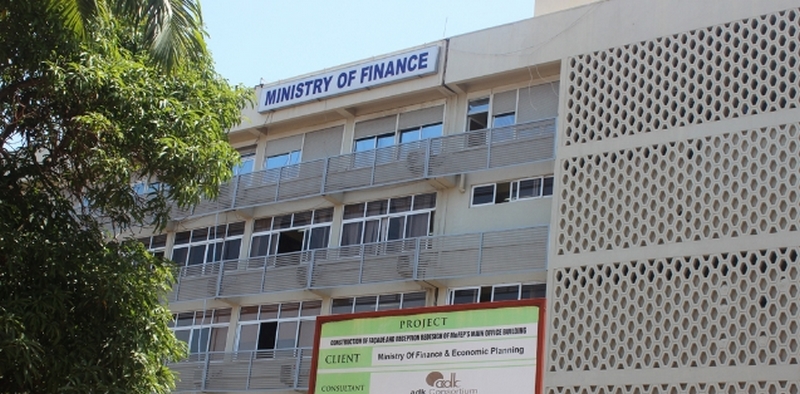
Ms. Bright's call for stronger accountability measures is timely and necessary. The country needs to take action to prevent future disasters and ensure that those responsible are held accountable. This includes implementing sanctions against public officials who fail to carry out their responsibilities and prosecuting those who contribute to disasters through negligence.
The government must also take steps to ensure that recommendations are implemented and that the country learns from past disasters. This includes allocating sufficient funds to implement flood prevention measures, strengthening institutions, and improving urban planning.
Looking Ahead
The recurring floods in Ghana are a wake-up call for the government and other stakeholders to take action. The country needs to prioritize flood prevention and ensure that those responsible are held accountable. This requires a collective effort from all stakeholders, including the government, civil society organizations, and the private sector.
As Ms. Bright emphasized, the country has the capacity to learn from other examples and implement stronger accountability measures. It is time for Ghana to take action and ensure that the recurring floods become a thing of the past.
Image Source: https://www.myjoyonline.com/wp-content/uploads/2026/06/image-849.png

0 Comments
Leave a Comment
No comments yet. Be the first to share your thoughts!