
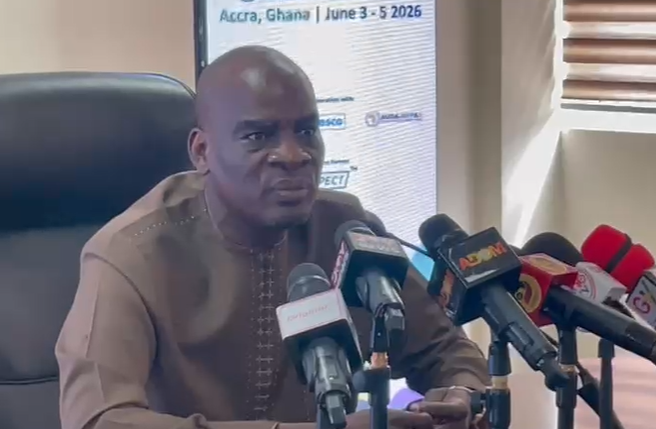
- Ghana's teacher recruitment portal received over 40,000 applications for just 7,000 available vacancies.
- The Minister for Education, Haruna Iddrisu, disclosed that financial clearance was granted for only 7,000 teachers due to budgetary constraints.
- The recruitment portal has been closed to prevent the system from being overwhelmed, and the best-qualified candidates will be selected from the applicant pool.
- The shortage of teachers in Ghana's educational system has long been a critical issue, with many areas lacking adequate teaching staff.
The launch of e-Learning Africa marked a significant moment in Ghana's education sector, bringing together key stakeholders to discuss the latest developments in the field. However, amidst the excitement, a pressing issue lingered – the chronic shortage of teachers in Ghana's educational system. Minister for Education, Haruna Iddrisu, shed light on this pressing concern, revealing that the teacher recruitment portal had been flooded with over 40,000 applications for just 7,000 available vacancies.
Speaking on the sidelines of the launch, Mr. Iddrisu explained that although Ghana faces a significant teacher deficit, financial clearance was granted for only 7,000 teachers. He assured that the best-qualified candidates would be selected from the applicant pool, emphasizing the Ministry of Education's commitment to transparency and fairness in the recruitment process.
Background: Ghana's Teacher Shortage
Ghana's teacher shortage has been a persistent issue, with many areas lacking adequate teaching staff. According to the 2020 Ghana Education Service (GES) report, the country has approximately 120,000 teachers, but a significant proportion of them are either underqualified or overworked. The shortage has resulted in overcrowded classrooms, reduced instructional time, and a compromised quality of education. To address this issue, the government has introduced various initiatives, including the recruitment of foreign teachers and the training of local instructors.
The recruitment of foreign teachers has proven to be a double-edged sword. While it has helped alleviate the shortage in the short term, concerns have been raised about the cultural and linguistic differences between the local and foreign teachers, which can impact the effectiveness of the learning environment. Furthermore, the high cost of recruiting foreign teachers has put a strain on the already limited education budget.
Analysis: The Implications of the Teacher Shortage
The teacher shortage has far-reaching implications for Ghana's education sector and the country's future as a whole. Without adequate teaching staff, the quality of education suffers, leading to reduced academic performance, increased dropout rates, and a lack of skilled and knowledgeable individuals to contribute to the country's development. The shortage also exacerbates existing social and economic inequalities, as students from disadvantaged backgrounds often have limited access to quality education.
The government's decision to recruit only 7,000 teachers, despite the overwhelming response to the recruitment portal, has raised questions about the effectiveness of the current education policy. Critics argue that the policy is inadequate and fails to address the root causes of the teacher shortage. They advocate for a more comprehensive approach that addresses issues such as teacher training, retention, and motivation, as well as the provision of adequate resources, including infrastructure and technology.
What This Means
The response to the teacher recruitment portal has highlighted the pressing need for a comprehensive education policy that addresses the teacher shortage and ensures that Ghana's students receive quality education. The government must take a more proactive approach to addressing the shortage, including increasing the recruitment of teachers, providing incentives for teachers to stay in the profession, and investing in teacher training and development programs.
The launch of e-Learning Africa marks a significant opportunity for Ghana to leverage technology and innovation to address the teacher shortage and improve the quality of education. The government must seize this opportunity and work with stakeholders to develop a comprehensive education policy that prioritizes the recruitment and retention of quality teachers, as well as the provision of adequate resources and infrastructure to support effective teaching and learning.
Conclusion
The teacher shortage in Ghana's educational system is a pressing issue that requires immediate attention. The response to the teacher recruitment portal has highlighted the need for a comprehensive education policy that addresses the shortage and ensures that Ghana's students receive quality education. The government must take a proactive approach to addressing the shortage, leveraging technology and innovation to improve the quality of education and provide a brighter future for Ghana's students.



0 Comments
Leave a Comment
No comments yet. Be the first to share your thoughts!