

- The Ghana Private Road Transport Union (GPRTU) has accused the Driver and Vehicle Licensing Authority (DVLA) of failing to conduct proper due diligence in approving Toyota Voxy vehicles for long-distance commercial transport.
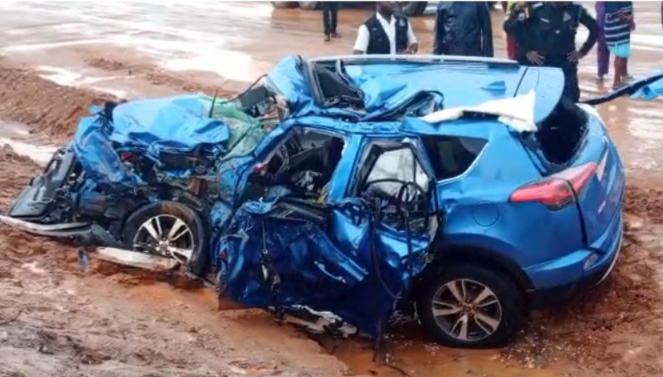
- The National Road Safety Authority (NRSA) has banned the use of Toyota Voxy vehicles for long-distance commercial operations due to serious safety concerns.
- The GPRTU is calling for a more thorough investigation into the matter, stating that an outright ban may not address the root of the problem.
- The union is also questioning the effectiveness of the initial approval process, suggesting that the DVLA may not have fully discharged its responsibility in ensuring the safety and suitability of these vehicles.
Ghana's transport sector has been thrown into turmoil following a ban on the use of Toyota Voxy vehicles for long-distance commercial operations. The National Road Safety Authority (NRSA) has justified the ban, citing serious safety concerns. However, the Ghana Private Road Transport Union (GPRTU) is blaming the Driver and Vehicle Licensing Authority (DVLA) for what it describes as improper due diligence in the registration of the vehicles for commercial use.
The move comes after the establishment of a Technical Working Group to investigate the safety of converted Toyota Voxy vehicles used for commercial passenger transport, particularly on long-distance routes involving vans and minibuses. The GPRTU has accused the DVLA of failing to conduct proper checks on the vehicles, which they claim were duly inspected and registered for commercial use.
Background: The Rise of Toyota Voxy in Ghana's Transport Sector
The Toyota Voxy has become a popular choice for commercial transport in Ghana, particularly on long-distance routes. The vehicle's spacious interior and fuel efficiency make it an attractive option for operators looking to maximize their profits. However, concerns over the safety of the vehicle have been raised, particularly with regards to its durability and reliability on rugged Ghanaian roads.
The GVPRU has been a vocal advocate for the rights of transport operators and has been involved in several high-profile disputes with the government over issues such as fuel prices and road tolls. The union's accusation against the DVLA is the latest in a series of controversies surrounding the transport sector.
The Impact of the Ban on Ghana's Transport Sector
The ban on Toyota Voxy vehicles for long-distance commercial operations is expected to have a significant impact on the transport sector. Many operators rely on these vehicles to transport passengers and goods, and the ban is likely to lead to increased costs and reduced services.
According to the GPRTU, an outright ban at this stage may not address the root of the problem. Instead, they are calling for a more thorough investigation into the matter, to determine where the lapses occurred and to identify measures to prevent similar incidents in the future.
The Role of the DVLA in Ensuring Road Safety
The Driver and Vehicle Licensing Authority (DVLA) has a critical role to play in ensuring road safety in Ghana. The DVLA is responsible for registering vehicles for commercial use and for ensuring that operators meet the necessary safety standards.
However, the GPRTU's accusation against the DVLA suggests that the agency may not have fully discharged its responsibility in ensuring the safety and suitability of the vehicles. The union is questioning the effectiveness of the initial approval process and is calling for a more thorough investigation into the matter.
What This Means
The ban on Toyota Voxy vehicles for long-distance commercial operations has sent shockwaves through Ghana's transport sector. The GPRTU's accusation against the DVLA has raised questions about the effectiveness of the initial approval process and has highlighted the need for a more thorough investigation into the matter.
As the situation unfolds, operators and passengers alike are left wondering what the future holds. Will the ban be lifted, or will it remain in place? What measures will be put in place to prevent similar incidents in the future?
The answer to these questions remains unclear, but one thing is certain: the transport sector in Ghana is at a crossroads. The ban on Toyota Voxy vehicles has brought to the forefront the need for greater regulation and oversight in the sector.
As the GPRTU continues to push for a more thorough investigation into the matter, it is clear that the future of Ghana's transport sector will be shaped by the decisions made in the coming weeks and months.
Conclusion
The ban on Toyota Voxy vehicles for long-distance commercial operations has sent a clear message to operators and passengers alike: road safety is paramount, and those who fail to meet the necessary safety standards will be held accountable.
As Ghana's transport sector continues to evolve, one thing is clear: the need for greater regulation and oversight in the sector has never been more pressing. The GPRTU's accusation against the DVLA has highlighted the need for a more thorough investigation into the matter and has brought to the forefront the importance of ensuring that operators meet the necessary safety standards.



0 Comments
Leave a Comment
No comments yet. Be the first to share your thoughts!