
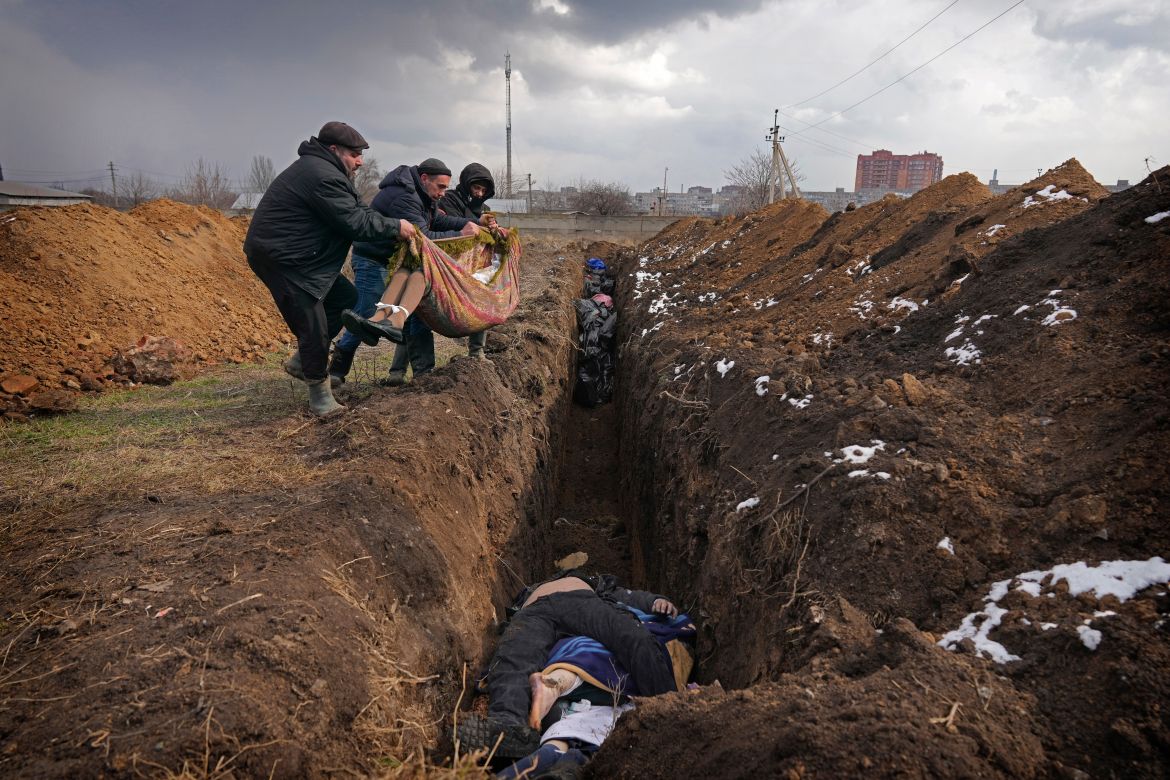
The brutal realities of the Russia-Ukraine war are extending far beyond the immediate conflict zone, trapping vulnerable youth from Ghana and across Africa in a deadly cycle of deception and exploitation. News of these tragic fates often surfaces first on social media, a grim testament to the clandestine nature of their involvement, before families and associates can confirm the devastating losses.
Key Highlights
- At least 55 Ghanaians confirmed dead fighting in Ukraine, with two currently held as prisoners of war, according to Ghana's Foreign Affairs Minister.
- An estimated 272 Ghanaians and over 1,700 Africans from 36 countries have been lured into the conflict by transnational human trafficking networks.
- Ghanaian officials are intensifying efforts to dismantle illegal recruitment schemes, including those operating online, and to repatriate captured citizens.
- The situation highlights the desperation fueled by economic hardship in Ghana and Africa, pushing young people towards perilous gambles for a better life.
The Deceptive Lure of 'Greener Pastures'
For many in Ghana, the idea of fellow citizens fighting in a distant war is met with disbelief. However, the harsh economic climate back home paints a starkly different picture. Faced with limited opportunities and pervasive hardship, many young Ghanaians see perilous journeys to foreign lands as their only chance for a better future. Yet, emerging intelligence reveals a more sinister truth: these journeys are often not voluntary quests for employment, but orchestrated traps set by sophisticated human trafficking networks.
Ghana's Minister for Foreign Affairs, Samuel Okudzeto Ablakwa, recently concluded a state visit to Ukraine, shedding crucial light on this crisis. During high-level talks in Kyiv with Ukrainian officials, including Foreign Minister Andrii Sybiha, the devastating scale of the problem became apparent. Minister Ablakwa confirmed that Ukrainian authorities have identified at least 55 Ghanaians killed in the conflict, with two others currently in captivity as prisoners of war. These are not mere statistics, but lives cut tragically short, leaving behind shattered families.
A Network of Deceit Across Continents
The figures shared are staggering. Ukrainian intelligence suggests that since 2022, approximately 272 Ghanaians have been systematically lured into the conflict through these transnational criminal networks. The problem, however, is not confined to Ghana. Broader data presented during the engagement revealed that an alarming 1,780 Africans from 36 different countries have been recruited under similar deceptive circumstances to fight against Ukraine. Minister Ablakwa unequivocally stated, "These are not mere statistics; they are Ghanaian lives cut short, and families shattered." He emphasized Ghana's resolve: "This is not our war. We cannot allow our young people to be used as human shields in a conflict that does not concern Ghana."
Ghana's Response: Dismantling the Networks
In the wake of these revelations, Ghana is signaling a robust domestic response. Minister Ablakwa announced plans for intensified public education campaigns and decisive action against the recruitment networks responsible for this exploitation. "We are determined to track and dismantle every illegal recruitment scheme operating within our jurisdiction, including those on the dark web," he declared. He stressed that those lured into the conflict are "victims of manipulation, of disinformation, misinformation, of criminal trafficking networks."
During his visit to Kyiv, Ghanaian officials paid their respects at the Wall of Remembrance, honouring all war victims. Discussions also focused on strengthening bilateral cooperation, particularly in the critical fight against human trafficking and illegal recruitment. A significant aspect of the visit involved Ghana's Foreign Minister gaining rare consular access to the two Ghanaian prisoners of war. These individuals, who had reportedly travelled to Ukraine under false pretences, have cautioned fellow citizens against the perilous allure of financial promises, describing the battlefield dangers as "grave."
The plight of these captured Ghanaians underscores the human cost of this deception. One such case involves 35-year-old Joshua Nkrumah, who reportedly left his pregnant wife in Dubai believing he had secured a private security job in Russia. Captured by Ukrainian forces in September 2024, his family has had no contact since, living in agonizing uncertainty. His father's poignant words, "As a father, I live every day with a silent weight on my chest... I just want my son alive and back home. That is all a father asks," resonate with the profound grief and fear experienced by many families.
A Pan-African Crisis
Ghana's struggle is not unique. Reports indicate that other African nations are also grappling with the loss of citizens in the conflict. In Kenya, a national was recently charged with luring young men to Russia with job offers, only for them to end up fighting in Ukraine. The Kenyan National Intelligence Service estimates that around 1,000 Kenyans may have been recruited. Russia's embassy in Kenya denies involvement, stating that foreign nationals legally residing in Russia can voluntarily enlist. South Africa has also confirmed the deaths of two citizens and the repatriation of 15 others, with two more receiving treatment for severe injuries.
Ukrainian authorities have consistently warned that anyone fighting for Russia will be considered an enemy combatant, urging surrender for treatment as a prisoner of war. While Ukraine itself has faced scrutiny for recruiting foreign nationals in the past, the current crisis highlights a disturbing trend: citizens from economically weaker nations are becoming easy prey in a war that offers them no direct stake, lured by the phantom promise of a better life. The Ghanaian government's commitment to dismantling these networks and raising public awareness is a crucial step, but a concerted, multi-faceted approach involving diplomatic engagement and robust domestic action is essential to protect vulnerable youth and prevent further tragedies.



0 Comments
Leave a Comment
No comments yet. Be the first to share your thoughts!