
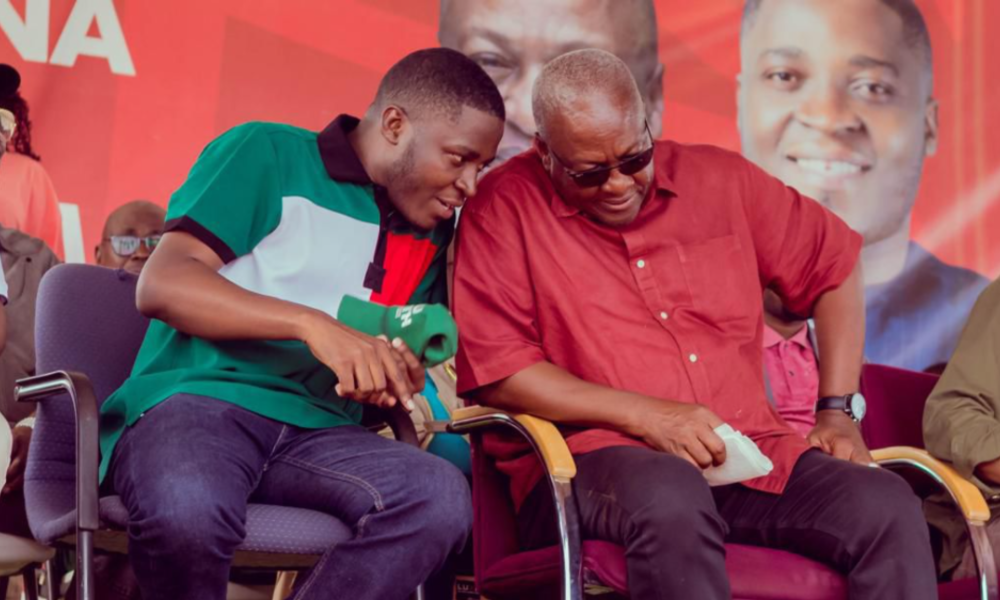
- Member of Parliament for Ketu North, Edem Agbana, cautions against using public funds to sponsor supporters to the 2026 FIFA World Cup.
- Ghanaian government urged to prioritize critical national needs over football-related expenses.
- Lawmaker suggests individuals and corporate organizations should take responsibility for supporting sports initiatives.
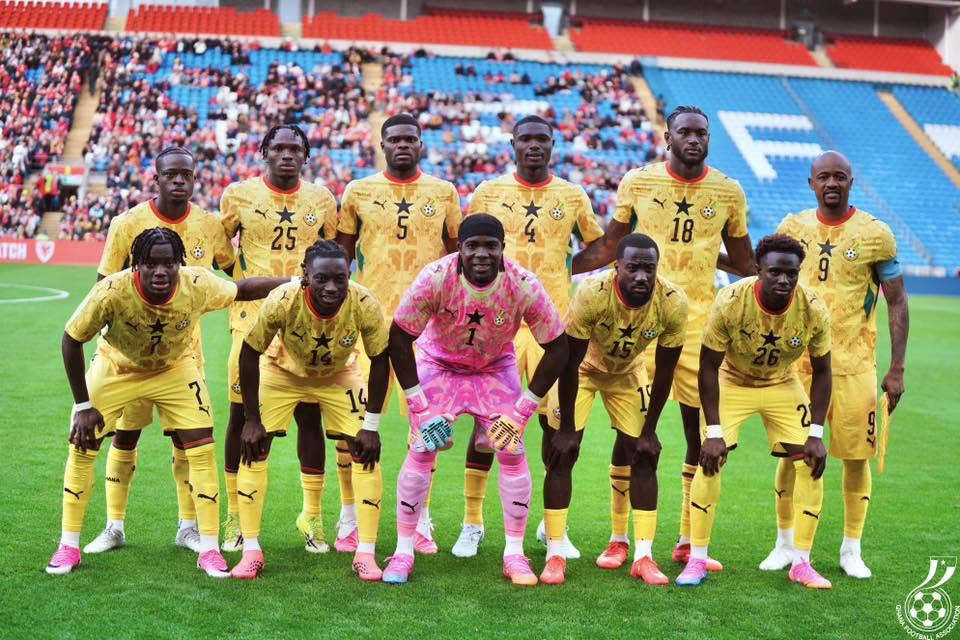
- Black Stars' potential qualification for the 2026 World Cup sparks discussions on government support for supporters.
The debate over public funding for the 2026 FIFA World Cup has taken a significant turn with a recent statement from Member of Parliament for Ketu North, Edem Agbana. In a media interview, Agbana emphasized the importance of responsible financial management and the need for the government to prioritize critical national needs.
According to Agbana, using public funds to sponsor supporters to the World Cup would not be a prudent use of the nation's limited financial resources. He stressed that government expenditure should focus on programmes and initiatives that directly improve the lives of citizens.
A History of Sports and Politics in Ghana
Sports have long played a significant role in Ghanaian culture and identity. Football, in particular, has been a unifying force for the nation, with the Black Stars' performances at the World Cup often sparking national pride. However, the relationship between sports and politics has been complex, with government support for sports initiatives often being tied to political considerations.
One notable example is the construction of the Ohene Djan Sports Stadium in Accra, which was completed in 1962 during the presidency of Kwame Nkrumah. The stadium was a symbol of Ghana's independence and a testament to the country's growing sports infrastructure. However, the stadium's construction was also seen as a means of promoting national unity and fostering a sense of pride among Ghanaians.
Critical National Needs
Agbana's comments come at a time when discussions have emerged about potential government support for Ghanaian supporters should the Black Stars qualify for the 2026 World Cup. However, the lawmaker's warning against public funding for the World Cup highlights the need for the government to prioritize critical national needs over football-related expenses.
The current economic realities in Ghana require careful and responsible spending decisions. With many citizens facing economic hardship, the government must ensure that its expenditure is focused on programmes and initiatives that directly improve the lives of citizens.
Sports Infrastructure and Talent Development
Agbana emphasized that government support for sports should focus primarily on strengthening Ghana's sporting infrastructure, developing young talent, and ensuring the national teams are adequately prepared for international competitions.
This approach would not only benefit the Black Stars but also provide opportunities for young Ghanaians to develop their skills and pursue careers in sports. By investing in sports infrastructure and talent development, the government can create a more sustainable and equitable sports ecosystem that benefits the nation as a whole.
Looking Ahead
The debate over public funding for the 2026 World Cup is unlikely to be resolved anytime soon. However, Agbana's comments highlight the need for a more nuanced approach to government support for sports initiatives. By prioritizing critical national needs and focusing on sports infrastructure and talent development, the government can create a more sustainable and equitable sports ecosystem that benefits the nation as a whole.



0 Comments
Leave a Comment
No comments yet. Be the first to share your thoughts!