
- Autism Spectrum Disorder (ASD) is a complex neurodevelopmental condition, often misunderstood in Ghana as a spiritual affliction or a result of bad parenting.
- Despite limited nationwide data, estimates suggest tens of thousands of Ghanaians are on the autism spectrum, with underdiagnosis representing a significant challenge due to awareness gaps and limited diagnostic services.
- Early diagnosis and tailored interventions, including speech and occupational therapy, are crucial for improving communication, independence, and overall outcomes for individuals with ASD.
- Persistent societal stigma in Ghana delays essential support and educational opportunities, highlighting the urgent need for increased public awareness and acceptance to foster a truly inclusive society.
The Misunderstood Child in Ghana: Unveiling Autism Spectrum Disorder
In countless Ghanaian households, certain child behaviors, such as avoiding eye contact, delayed speech, or repetitive actions, are often misconstrued. These children may be labeled as stubborn, disobedient, or, more concerningly, believed to be under spiritual attack. Such interpretations, deeply rooted in cultural and traditional beliefs, frequently overshadow the underlying medical reality.
However, medical experts and advocates are increasingly emphasizing the critical need to understand Autism Spectrum Disorder (ASD), a neurodevelopmental condition. ASD is neither a curse nor a consequence of poor parenting; it is a neurological difference that impacts how individuals communicate, interact, behave, and learn, beginning in early childhood.
Defining Autism Spectrum Disorder: A Complex Reality
Autism Spectrum Disorder is characterized by a range of conditions affecting an individual's social interaction, communication, and behavior. The term “spectrum” is crucial, highlighting the vast diversity in how ASD presents. No two individuals with autism are identical; each possesses a unique combination of strengths and challenges, making a one-size-fits-all approach to understanding and support ineffective.
For some, ASD may manifest as significant communication challenges, limited social engagement, or intense reactions to sensory stimuli like sounds or textures. Others on the spectrum may exhibit fluent speech, exceptional memory, or advanced abilities in areas such as mathematics, music, or art, while primarily struggling with social nuances or executive functions. This wide array of presentations underscores the condition's complexity.
Global and Ghanaian Prevalence: Addressing the Data Gap
Globally, autism is far more common than many realize, with estimates suggesting that between 1 in 100 and 1 in 160 children are on the autism spectrum. This translates to tens of millions of people worldwide living with ASD. In higher-income countries, diagnosis rates tend to be higher due to more robust screening systems, increased public awareness, and greater access to specialized diagnostic services.
In Ghana, reliable nationwide data on ASD prevalence remains limited. This scarcity is largely attributed to a combination of factors, including widespread underdiagnosis, a lack of comprehensive reporting systems, and an insufficient number of trained professionals equipped to identify and diagnose the condition. Despite these challenges, available estimates indicate that autism affects a significant number of Ghanaians.
A World Bank report, for instance, suggests that approximately 380 out of every 100,000 Ghanaians are on the autism spectrum, translating to tens of thousands of individuals nationwide. Furthermore, smaller, localized studies have indicated that as many as 1 in 87 children under three years old may exhibit signs consistent with autism. Experts believe the true figures are likely much higher, masked by the significant gaps in awareness and diagnostic infrastructure across many parts of the country.
A Historical Lens: Evolving Understandings of Neurodiversity
Historically, across various cultures, including Ghana, neurodevelopmental differences were often interpreted through spiritual or supernatural lenses. Behaviors now recognized as symptoms of ASD might have been attributed to witchcraft, curses, or divine punishment, leading to fear, isolation, and even ostracization of affected individuals and their families. This deep-seated cultural framework has long hindered the adoption of medical explanations and interventions.
In contrast, the scientific understanding of autism began to formalize in the mid-20th century with the work of researchers like Leo Kanner and Hans Asperger. Their pioneering studies shifted the focus from spiritual to neurological origins, laying the groundwork for modern diagnostic criteria and therapeutic approaches. Bridging this historical and cultural divide in Ghana is crucial for advancing acceptance and effective support.
The Imperative of Early Diagnosis and Intervention
Early diagnosis is a cornerstone of effective intervention and can profoundly improve long-term outcomes for children with ASD. Parents are strongly encouraged to seek professional medical advice if they observe certain developmental red flags. These include a child not responding to their name by age one, not speaking by age two, showing limited interest in social interaction, engaging in repetitive behaviors, or reacting intensely to specific sounds or textures.
Once diagnosed, early interventions such as speech therapy, occupational therapy, and structured educational support can make a dramatic difference. These therapies are designed to enhance communication skills, develop social understanding, improve motor coordination, and foster greater independence and self-confidence. The brain's plasticity in early childhood makes these interventions particularly impactful, shaping developmental trajectories positively.
Overcoming Deep-Seated Stigma in Ghana
Despite gradual improvements in awareness, stigma remains a formidable barrier to effective autism support in Ghana. The continued attribution of autism to spiritual causes often leads to significant social isolation, discrimination, and a profound sense of shame for families. Many parents, fearing judgment or societal ostracism, choose to hide their children, effectively denying them access to critical early diagnosis and intervention services.
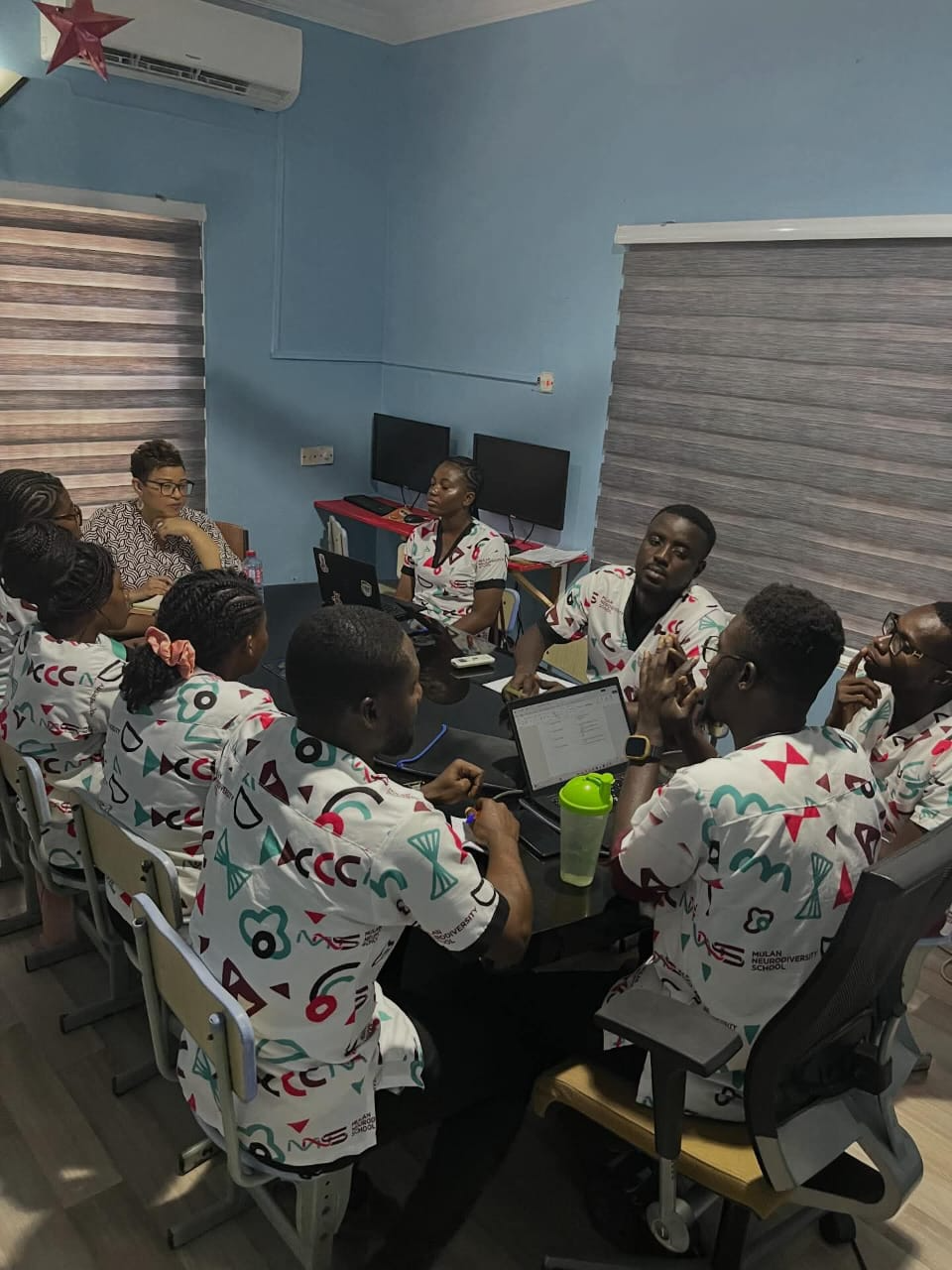
This cultural stigma not only delays essential support but also exacerbates the challenges faced by individuals with ASD and their caregivers, impacting their mental health and overall well-being. However, institutions like the **Mulan Neurdiversity School** are actively working to dismantle these misconceptions and change the narrative. By providing specialized education and therapeutic support, such schools offer nurturing environments where children can develop communication, independence, and social skills.
Their work serves as a powerful testament to what can be achieved when scientific understanding and compassionate support replace fear and ignorance. These initiatives are vital in demonstrating that with the right environment, individuals with autism can thrive and contribute meaningfully to society.
Pathways to Independence and Societal Contribution
A common misconception is that an autism diagnosis dictates a limited future. On the contrary, with consistent early intervention and ongoing support, many individuals on the autism spectrum can lead fulfilling and independent lives. Children who receive appropriate early support may transition successfully into mainstream schools, pursue tertiary education, and go on to become successful professionals, entrepreneurs, artists, and skilled workers.
Autism does not inherently define a child's potential or future. Instead, it is the provision of adequate support, access to opportunities, and unwavering societal acceptance that largely determine their life trajectories. Embracing neurodiversity means recognizing and valuing the unique perspectives and talents that individuals with autism bring to our communities.
Building an Inclusive Ghana: The Power of Awareness and Acceptance
Ultimately, fostering greater autism awareness in Ghana is about more than just understanding a medical condition; it is about cultivating a truly inclusive society where every child is valued and supported. When awareness expands, educators become better equipped to support diverse learning needs, faith communities become more understanding and accepting, and families feel empowered rather than isolated.
Increased public understanding also allows specialized institutions like the Mulan Neurdiversity School to expand their resources and reach more children who desperately need their services. Awareness must be the catalyst for acceptance, and acceptance must, in turn, drive concrete action. By strategically investing in public education campaigns, bolstering early diagnosis programs, and establishing robust specialized support systems, Ghana can ensure that children on the autism spectrum are not overlooked or left behind.
Autism is not an insurmountable barrier to a fulfilling life; it is simply a different, equally valid way of experiencing and interacting with the world. With the right foundation of support, opportunity, and acceptance, this world can be boundless with possibility for all.




0 Comments
Leave a Comment
No comments yet. Be the first to share your thoughts!