
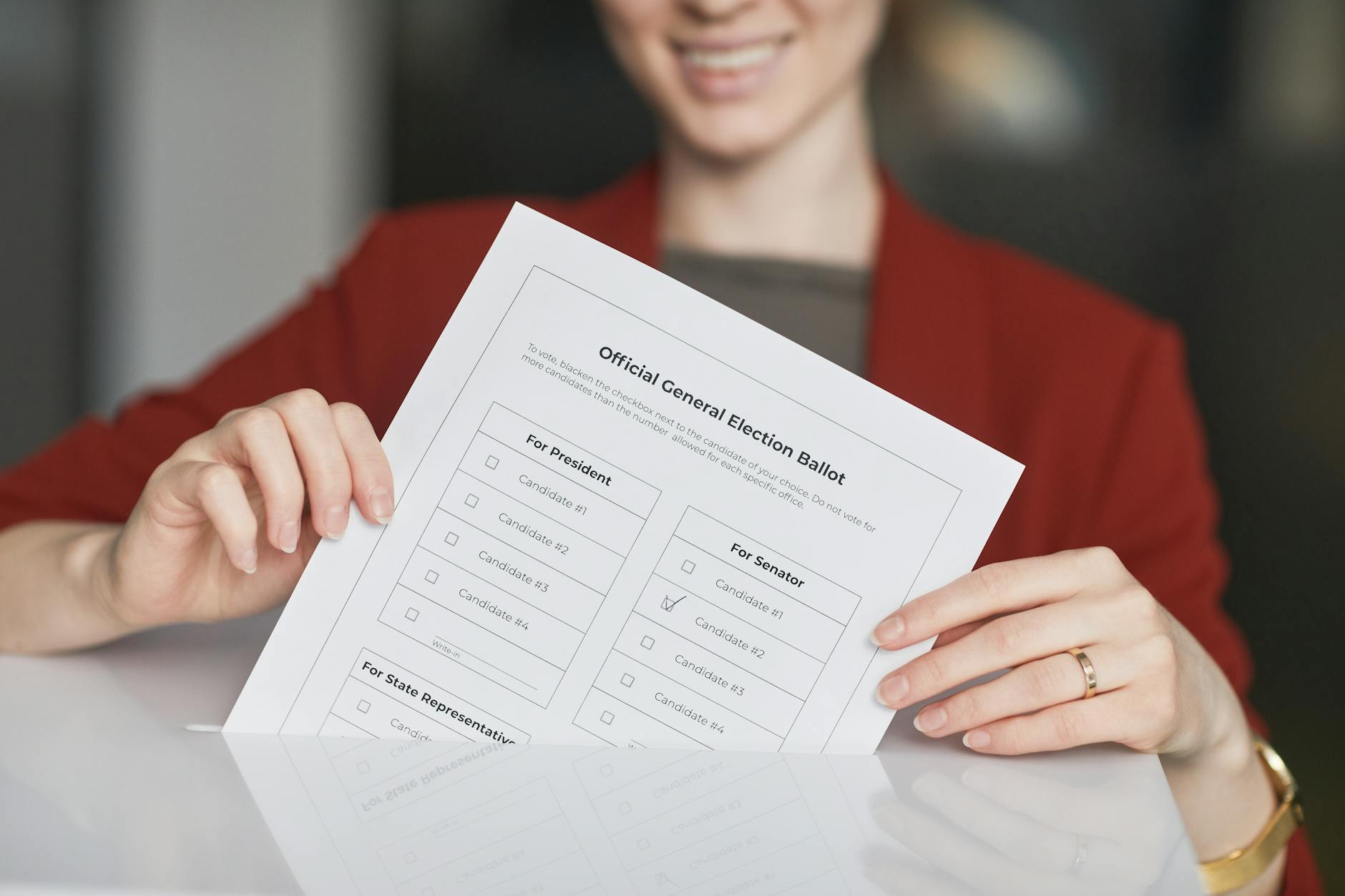
Hold onto your political hats, Ghana! The New Patriotic Party (NPP) is not playing games. In a move that's got everyone from Accra to Kumasi talking, the party has officially unleashed its internal electoral 'special forces' across all 16 regions. This isn't just a routine administrative reshuffle; it's a clear declaration that the NPP means business when it comes to the credibility of its foundational elections, especially with the monumental 2024 general elections looming large.
General Secretary Justin Kodua Frimpong, ever the man with the plan, dropped the official memorandum from the party headquarters on Friday, March 27, 2026. This isn't some quiet memo; it’s a detailed blueprint naming the high-powered officials tasked with ensuring the upcoming polling station and electoral area elections are as clean as a whistle. If you've been following Ghanaian politics, you know these grassroots elections are the true bedrock of party power, determining who gets to represent the party at higher levels.
Why This Move Is A Game-Changer For The Elephant Party
You might be asking, 'Why all the fuss over internal elections?' Well, dear reader, in Ghanaian politics, the polling station executives are the foot soldiers, the mobilizers, the true pulse of the party on the ground. They are the ones who rally support, persuade voters, and essentially deliver the votes come election day. Control over these structures is paramount for any aspiring candidate, from parliamentary hopefuls to presidential aspirants.
The NPP’s strategy here is crystal clear: decentralise oversight. By deploying top-tier regional representatives, they're attempting to nip any potential irregularities in the bud right at the local level. This move aims to build trust within the party ranks, ensuring that the selections are perceived as fair and legitimate. Without internal legitimacy, party unity often crumbles, leading to infighting, apathy, and the dreaded 'skirt and blouse' voting that can wreck a party’s chances in a general election.
The Mandate: What These 'Watchdogs' Are Really Up To
These assigned regional representatives aren't just there to observe; they come with a serious triple mandate, as outlined in the approved guidelines:
- Oversight Extraordinaire: They’ll be supervising the entire election process, acting as the eyes and ears, and the ultimate authority on behalf of the regional steering committees. No room for shortcuts!
- Committee Formation: Working hand-in-hand with Constituency Executive Committees, they'll be appointing members of the crucial Polling Station Elections Committees. This ensures the integrity of the teams running the show from the get-go.
- Enforcement & Transparency: This is where the rubber meets the road. Their job is to ensure strict adherence to all electoral guidelines, maintain absolute transparency, and report any hiccups or irregularities faster than you can say 'Chale, what's happening?'
Think of it as the NPP's internal anti-corruption squad for its electoral process. They're sending a strong message: we are serious about fairness.
Who's On The Hot Seat? Big Names Tapped for Key Regions
The list of deployed officials reads like a who's who of prominent party figures and government appointees. This isn't just about random party members; these are individuals with influence and a track record, carefully placed in what could be described as political 'battlegrounds.' Their presence alone is meant to signal the gravity of the exercise.
- In Greater Accra, a region always crucial for any party hoping to win national power, names like Elizabeth Kaakie Mann (Tema East), Felix Nii Annan La (Kpone Katamanso), and Archibold Cobbinah (Krowor) are on the ground. Their task is immense, given the often-heated political landscape of the capital.
- The Ashanti Region, a traditional NPP stronghold, sees Nana Ama Ampomah (Asokwa), Kennedy Kankam (Atwima Kwanwoma), and Dennis Kwakwa (Juaben) stepping up. Maintaining unity and enthusiasm in their perceived 'world bank' is non-negotiable for the NPP.
- Down in the Central Region, Justina Marigold Assan (Gomoa Central) and Richard Takyi-Mensah (Upper Denkyira East North) are spearheading efforts. This region is often a swing region, making fair internal processes vital for external appeal.
- And in the Northern Region, Felicia Tetteh (Mion) and Mariam Iddrisu (Savelugu) are among those assigned, reflecting the party's desire to strengthen its structures across the geographical breadth of Ghana.
These strategic deployments are a tacit acknowledgment that internal elections, if not managed transparently, can lead to deep divisions that are hard to heal before a major national contest.
The Social Media Buzz: What Are Ghanaians Saying?
As expected, social media is buzzing with reactions. On platforms like X (formerly Twitter) and Facebook, NPP faithful are cautiously optimistic, hoping this move genuinely ushers in an era of fairness and unity. 'Finally, some order!' one user posted, while another added, 'This is how we build a strong party for 2024.' However, some skeptics are quick to point out that 'the proof is in the pudding.' They're watching to see if these high-powered teams will truly enforce the rules without fear or favour, or if old habits of 'who you know' will still prevail. The talk about 'integrity' and 'diligence' from the General Secretary is being amplified, with many Ghanaians holding the party accountable to its own words.
There's also a broader discussion amongst political observers: Does this set a new standard for internal party democracy in Ghana? Will other political parties, particularly the NDC, follow suit with similar rigorous oversight? The stakes are incredibly high, and how the NPP manages this internal process could very well be a dress rehearsal for its performance in 2024.
A Stern Warning: 'No Room for Monkey Business!'
General Secretary Justin Kodua Frimpong didn't mince words. He stressed that the national secretariat expects 'the highest standards of diligence, professionalism, discipline, and commitment' from all constituency executive committees. This isn't just polite party jargon; it's a clear warning shot across the bow. Any actions that undermine the credibility of these foundational elections will simply not be tolerated. This uncompromising stance is crucial for an incumbent party facing a tough battle to 'break the 8' in the next general elections.
The success of these internal polls won't just reflect on the NPP's internal democracy; it will be a significant indicator of its readiness and unity to face the challenges of the 2024 general election. Can the Elephant party truly unite its grassroots, foster trust, and project an image of internal cohesion? Only time, and the diligent work of these deployed teams, will tell. Ghanaians are watching with keen interest, because when the NPP coughs, the political landscape of Ghana often catches a cold.


0 Comments
Leave a Comment
No comments yet. Be the first to share your thoughts!