
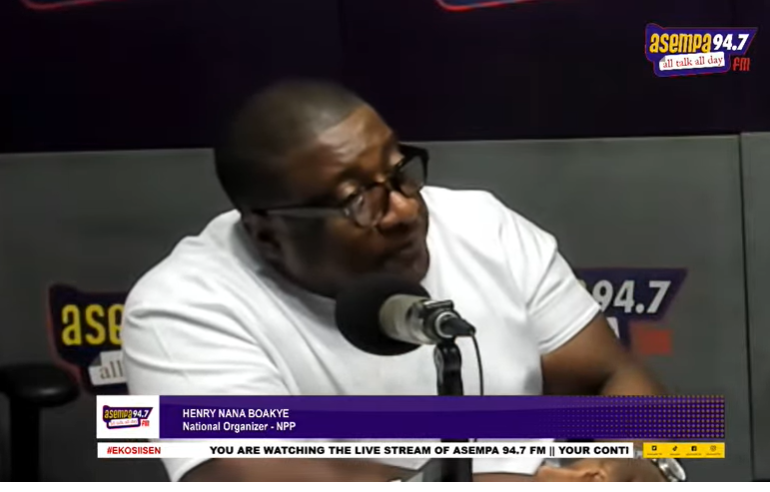
- National Organiser of the New Patriotic Party (NPP), Henry Nana Boakye, criticises the ban on Toyota Voxy vehicles for commercial use.
- He argues that state institutions, not importers, should be held accountable for the vehicles' entry into the country.
- Boakye questions the role of Customs officials and the Driver and Vehicle Licensing Authority (DVLA) in the alleged regulatory failures.
- He urges authorities to engage stakeholders and address systemic issues.
Henry Nana Boakye, the National Organiser of the New Patriotic Party (NPP), has fired a salvo at the government over the recent ban on Toyota Voxy vehicles for commercial use. In an exclusive interview on Asempa FM’s Ekosii Sen show, he expressed his discontent with the decision, suggesting that it would be impractical to immediately ban more than 7,000 vehicles already in use across the country.
According to Boakye, the Customs Act prohibits right-hand drive vehicles, yet thousands of such vehicles have reportedly entered the country. He further alleged that about 90 per cent of the vehicles are converted from right-hand drive to left-hand drive after importation, a process he believes could compromise their safety.
Regulatory Failures and Lack of Accountability
Boakye questioned how such vehicles were allowed into Ghana in the first place, pointing to lapses by Customs officials. He noted that the Customs Act prohibits right-hand drive vehicles, yet thousands of such vehicles have reportedly entered the country. He also raised concerns about the role of the Driver and Vehicle Licensing Authority (DVLA), questioning how the vehicles were registered and licensed for use.
“In the first two months of 2026 alone, we’ve recorded over 3,000 Voxy vehicles entering the country. In 2025, the total was 3,687. The report indicates that Customs have not performed their due diligence, as the Customs Act prohibits right-hand drive vehicles. Additionally, without ministerial approvals, all these vehicles have entered the country,” Boakye said.
He further alleged that the conversion of vehicles from right-hand drive to left-hand drive after importation could compromise safety. “Changing the drive side can compromise safety, which could be contributing to accidents. It raises the question of how Customs has allowed so many right-hand drive vehicles to enter the country from the ports without scrutiny. Customs officials must answer these questions; it is not just the importers who should face consequences,” he added.
Need for Stakeholder Engagement and Regulatory Reforms
Boakye insisted that importers should not be solely blamed, urging authorities to engage stakeholders and address regulatory failures within the system. He also called for the DVLA to be held accountable for licensing these cars.
“The DVLA must also be held accountable for licensing these cars. If there is a move to ban 7,000 cars, the authorities should engage with the importers as they are also complicit in this situation,” he added.
What This Means
The controversy surrounding the Toyota Voxy ban has sparked a national conversation about regulatory failures and accountability. Boakye’s comments highlight the need for a more robust regulatory framework to prevent such incidents in the future.
The ban on Toyota Voxy vehicles has left many Ghanaians stranded, with some importers facing financial losses. The government must engage in constructive dialogue with stakeholders to address the systemic issues that led to this crisis.
Conclusion
The ban on Toyota Voxy vehicles for commercial use has sparked a heated debate about regulatory failures and accountability. Henry Nana Boakye’s comments have added a new dimension to the controversy, highlighting the need for a more robust regulatory framework and stakeholder engagement. As the government moves forward with its plans to address the issue, it must prioritize transparency and accountability to prevent similar crises in the future.

0 Comments
Leave a Comment
No comments yet. Be the first to share your thoughts!