
Key Takeaways
- OpenAI CEO Sam Altman disagrees with the notion of a 'jobs apocalypse' due to AI adoption.
- He attributes the lack of job displacement to the 'human part' of employment that cannot be replaced by AI.
- Altman believes human interaction is essential in many jobs and will continue to be a significant factor in employment.
- OpenAI is set to confidentially file for a US initial public offering in the coming weeks.
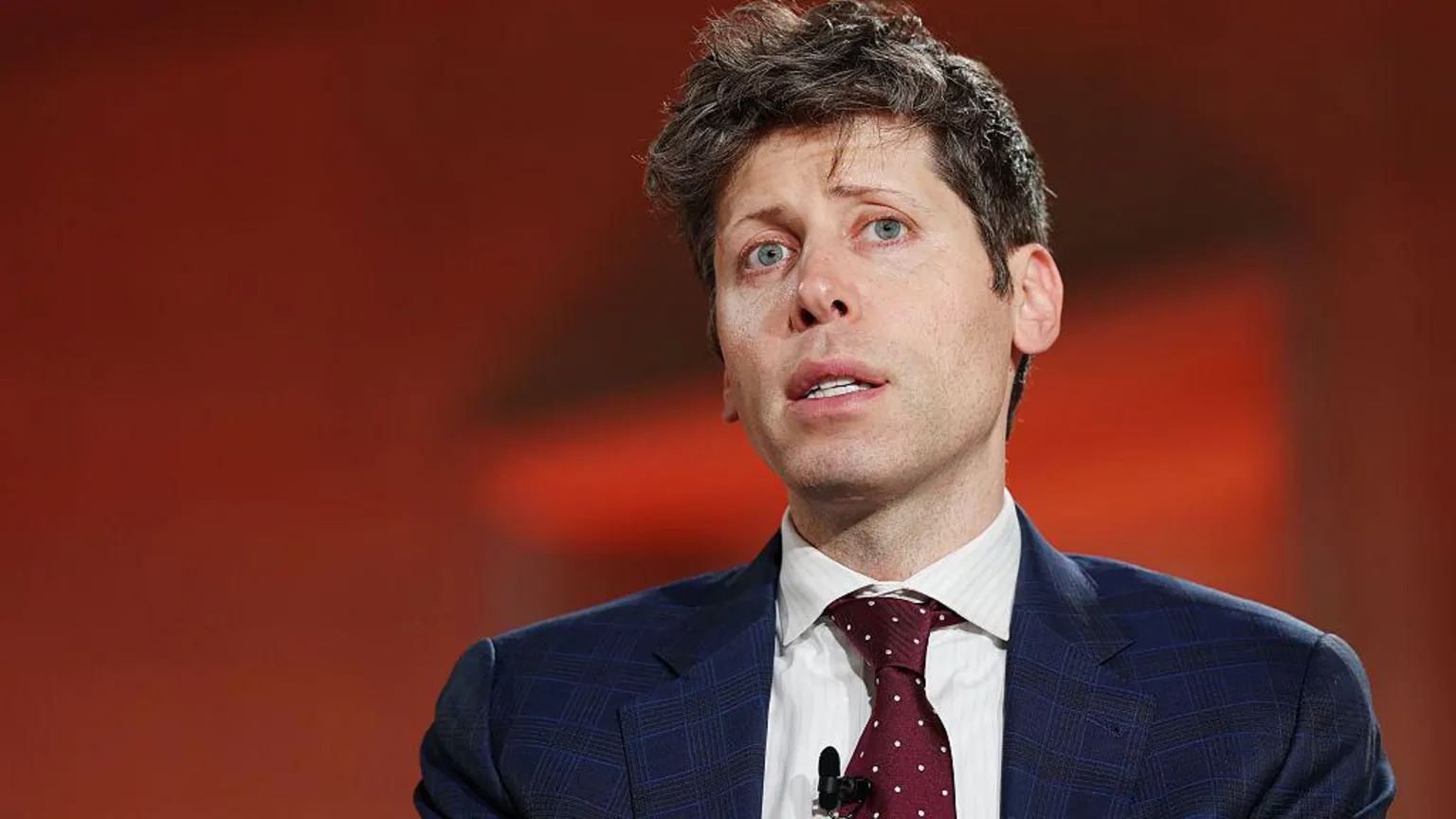
OpenAI CEO Sam Altman has expressed his disagreement with the idea of a 'jobs apocalypse' resulting from the rapid development and adoption of artificial intelligence (AI). Speaking at a Commonwealth Bank of Australia (CBA) conference in Sydney, Altman stated that the technology has not claimed as many white-collar jobs as he initially feared.
Initially concerned about the impact of AI on global employment levels, Altman and his executives had been 'roughly right' on their technological predictions but 'pretty wrong' on the social and economic implications. He attributed this to the realization that human interaction is an essential component of many jobs, making it difficult for AI to replace.
Altman's Shift in Perspective
Altman's comments mark a significant shift in his perspective on the impact of AI on employment. He acknowledged that he had initially overestimated the potential job displacement caused by AI, citing examples of industries where AI has taken on an increasingly active role while still requiring human interaction.
One such example is OpenAI's own use of AI to respond to Slack and email messages, which Altman revealed he had reverted to answering personally. This experience led him to believe that the 'human part' of employment is not replaceable by AI.
OpenAI's Future Plans
As OpenAI prepares to confidentially file for a US initial public offering in the coming weeks, Altman's comments provide a glimpse into the company's future plans. The company is reportedly aiming for a $1 trillion valuation and raising at least $60 billion.
OpenAI's decision to file for an IPO reflects the growing interest in AI and its potential to revolutionize industries. However, Altman's statements also highlight the importance of human interaction in employment, emphasizing the need for a more nuanced understanding of AI's impact on the job market.
Looking Ahead
As the job market continues to evolve with the advancement of AI, it is essential to consider the potential implications of Altman's comments. While AI may not lead to a 'jobs apocalypse,' it is likely to significantly impact the nature of work and the skills required to remain employable.
Companies must adapt to this new reality by investing in upskilling and reskilling programs that focus on developing human skills essential for employment, such as creativity, empathy, and problem-solving.
Image Source: https://www.myjoyonline.com/wp-content/uploads/2026/04/image-1137.png




0 Comments
Leave a Comment
No comments yet. Be the first to share your thoughts!