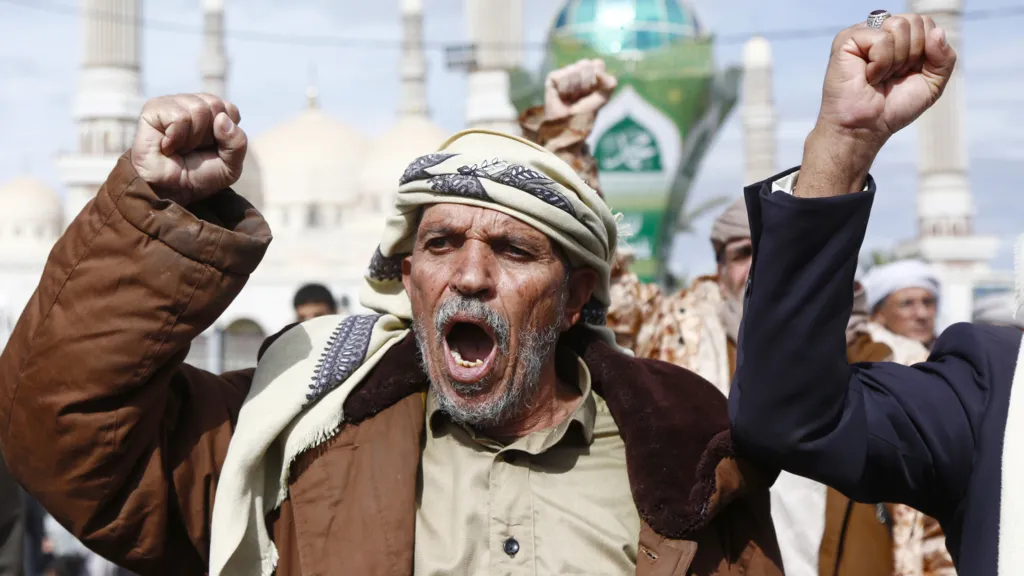
- The Houthi rebels, a powerful group backed by Iran, have unleashed a dangerous new wave of missile attacks directly targeting Israel.
- This bold move isn't just about regional skirmishes; it's a direct threat to the vital Red Sea shipping lanes, a global economic artery that connects continents.
- Experts warn this could ignite a far wider conflict involving the United States and Iran, potentially sending global oil prices and commodity costs through the roof.
- For Ghanaians, this means a chilling possibility of soaring fuel prices, increased import costs, and a general squeeze on your pockets – directly impacting daily life and business.
It was a fragile calm, a deceptive quiet that had settled over parts of the Middle East after months of escalating tensions. But that calm has been brutally shattered. The Houthi movement, a formidable force that controls the Yemeni capital of
Sanaa and vast swathes of northern
Yemen, has made its dramatic, first significant move in weeks, firing a volley of missiles towards
Israel.
THE SILENCE IS BROKEN: A DANGEROUS FIRST STRIKE!
This isn't just a random act; it’s a calculated escalation. The
Houthis have openly declared their target as "sensitive Israeli military sites," a clear statement of intent and a show of unwavering support for
Hamas following the devastating October 7th attacks. For the past four weeks, despite their deep affiliation with and backing from
Iran, the rebels had held their fire, a silence that only amplified the shock of this renewed aggression. Their past attempts to strike
Israel had caused little real damage, but the symbolism of these latest missiles is undeniable, signaling a dangerous shift in the regional power play.
BEYOND MISSILES: THE REAL GLOBAL THREAT LIES OFF YEMEN'S COAST!
While direct missile strikes on
Israel grab headlines, the true catastrophe the
Houthis can unleash lies elsewhere. Their far more potent weapon, and the one that sends shivers down the spine of global economists, is their ability to cripple international shipping. Picture this: the vital shipping routes off the coast of
Yemen, especially the narrow but incredibly crucial
Bab al-Mandab strait at the southern end of the
Red Sea, are now under immense threat. This chokepoint connects the
Indian Ocean to the
Mediterranean Sea via the
Suez Canal, making it indispensable for global trade.
During the peak of their support for
Hamas last year, the
Houthis unleashed chaos on vessels navigating these waters, endangering a commercial maritime route that transports trillions of dollars in goods annually. Were they to reignite these attacks with renewed intensity, the consequences would be nothing short of a massive blow to the already fragile global economy. We're talking about a potential meltdown of supply chains, spiraling insurance costs, and delays that would echo across continents.
WHY THE RED SEA IS A LIFELINE: FROM ACCRA TO ADEN!
To understand the gravity, imagine this: the
Red Sea isn't just some distant body of water. It's the circulatory system of global commerce. A significant portion of the world's oil, gas, and manufactured goods travels through this narrow channel. From the latest smartphones to the components for your favorite Ghanaian-made products, and critically, the fuel that powers our vehicles and industries – much of it relies on the uninterrupted flow through this strait. Disruptions here mean delays and, more importantly, higher costs that eventually land squarely on the consumer.
Adding another layer of dread to this scenario is the
Strait of Hormuz, another strategic chokepoint near
Iran, which has also faced threats of closure. If both the
Bab al-Mandab and
Strait of Hormuz – two of the world’s main arteries for trade and energy – were to be severely restricted, the global economy would face an unprecedented crisis. Imagine fuel prices skyrocketing beyond belief, food imports becoming exorbitantly expensive, and essential goods becoming scarce. This isn't just a Middle Eastern problem; it's a direct threat to the livelihoods of millions, including every household in
Ghana.
A GEOPOLITICAL CHESS GAME: WHO'S CALLING THE SHOTS?
The
Houthis are not acting in a vacuum. Their actions are deeply intertwined with the regional ambitions of
Iran, a formidable power that views itself as a bulwark against
Israel and
Western influence.
Iran provides the financial, military, and ideological backing that empowers groups like the
Houthis, effectively turning them into proxies in a larger geopolitical chess game. For years, the
United States and
Israel have responded to Houthi provocations with intense air strikes, targeting their leadership and military capabilities in an attempt to deter them.
Yet, the
Houthis appear to have weathered these storms, demonstrating remarkable resilience and an unyielding commitment to their cause. The big question now is just how far this movement is prepared to push the boundaries. Are they merely flexing their muscles for regional approval, or are they willing to risk a full-blown confrontation that could engulf the entire region and drag in global superpowers? The stakes have never been higher.
NEIGHBOURS ON EDGE: SAUDI ARABIA AND UAE IN THE CROSSHAIRS!
The ripple effect of Houthi aggression extends beyond
Israel and global shipping. Their Gulf Arab neighbors, particularly economic giants like
Saudi Arabia and the
United Arab Emirates, are also in the line of fire. The
Houthis have a documented history of targeting critical energy and military infrastructure in these nations, inflicting significant damage and sowing fear. Any renewed attacks on these oil-rich states would not only destabilize a crucial global energy supply but also escalate regional tensions to an explosive level, potentially pulling in more players into a conflict no one wants.
YEMEN'S FRAGILE PEACE HANGS BY A THREAD!
Adding a heartbreaking dimension to this crisis is the internal situation within
Yemen itself. After years of brutal civil war and devastating turbulence, the nation has experienced a period of relative calm – a desperately needed respite for its suffering populace. This fragile peace, however, is now in jeopardy. Deepening military involvement by the
Houthis in the wider conflict between the
US,
Israel, and
Iran could easily trigger a new and horrific outbreak of their internal conflict. This would condemn millions of Yemenis to renewed suffering, famine, and displacement, a humanitarian catastrophe on an unimaginable scale.
WHAT DOES THIS MEAN FOR YOU, GHANA? BRACE FOR IMPACT!
Let's cut to the chase: while
Yemen feels a world away, its conflicts can have a direct, tangible impact on your daily life in
Ghana. A wider war, especially one that disrupts global trade and energy supplies, is bad news for everyone. Imagine the price of fuel at the pumps, already a sensitive issue, suddenly skyrocketing. Think about the cost of imported goods – from electronics to medicines to even basic food items – becoming significantly more expensive due to higher shipping costs and increased insurance premiums. This global instability will put immense pressure on the
Ghanaian Cedi, potentially fueling inflation and making everything pricier. Businesses relying on international trade could face severe disruptions, leading to job losses and economic slowdown. We are all interconnected in this global village, and a tremor in one part can quickly become an earthquake in another. It's time to pay attention.
THE UNCERTAIN FUTURE: WILL THE FLAMES SPREAD?
There is little doubt among global analysts: if the
Houthis continue – and intensify – their audacious attacks, it will mark a new and terrifying escalation. This isn't just about a localized skirmish; it's about the widening of a war that has already claimed countless lives and destabilized entire regions. The world watches, holding its breath, to see how far the
Houthis are prepared to go and what the ultimate price of their defiance will be. For
Ghana and the global community, the stakes couldn't be higher. Prepare for potential economic shockwaves and keep your eyes on the news; this story is far from over.





0 Comments
Leave a Comment
No comments yet. Be the first to share your thoughts!