
Key Highlights
- Tech founder Ethan Agarwal is challenging incumbent Ro Khanna for California's CA-17 seat, with the race heating up months before the primary.
- Anonymous packages containing Agarwal's past legal issues are surfacing, sparking questions about campaign tactics.
- Agarwal, backed by tech billionaires, is campaigning against Khanna's proposed wealth tax, while Khanna's camp points to Agarwal's stock trades.
- The emergence of controversial documents highlights the increasingly aggressive nature of modern political campaigns, particularly those involving tech money.
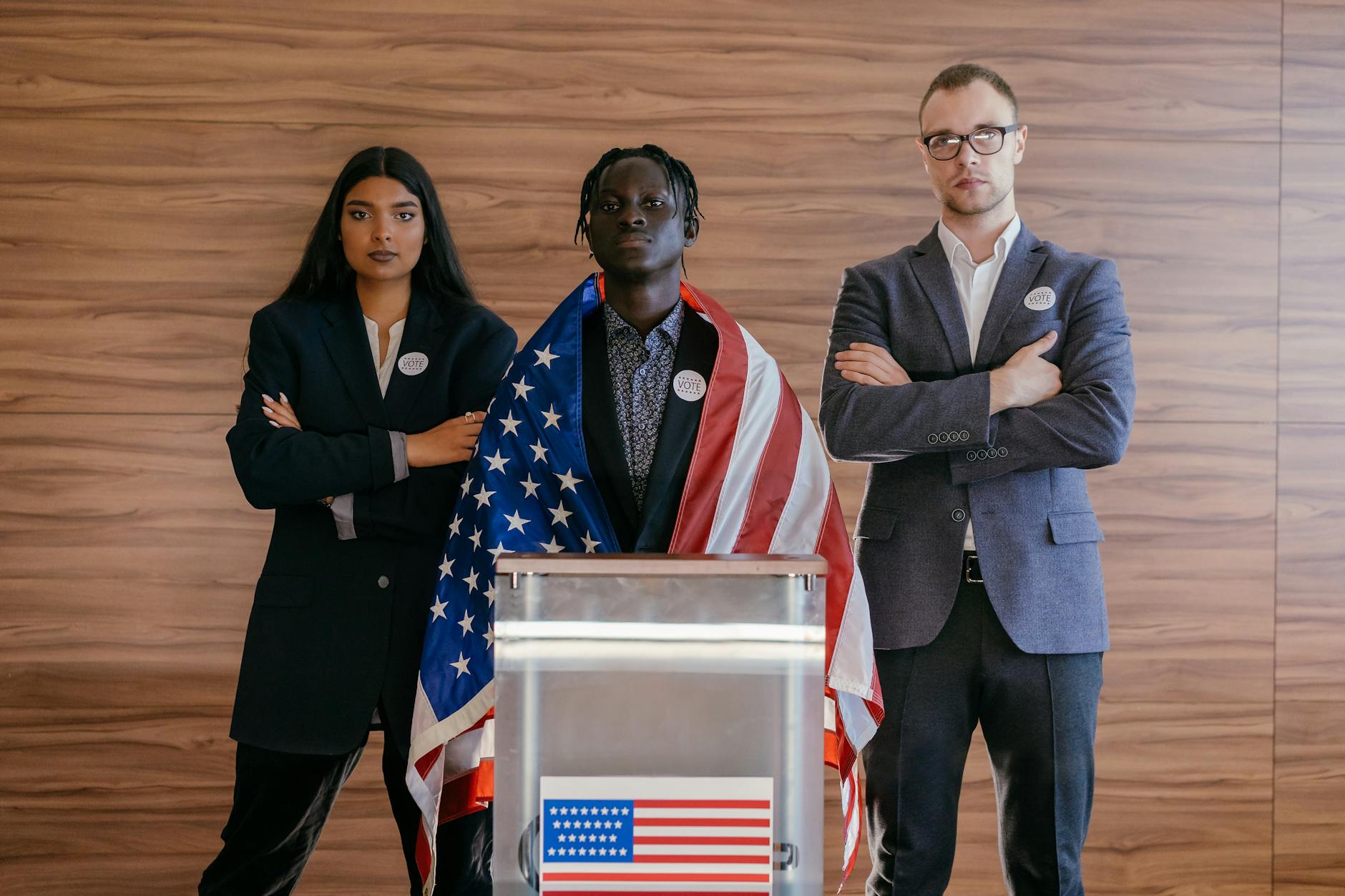
The political landscape in California's 17th Congressional District is transforming from a standard electoral contest into a full-blown tech-fueled battleground, months before voters cast their ballots. The primary election, still weeks away in early June, is already overshadowed by a fierce clash between five-term incumbent Ro Khanna and ambitious tech founder Ethan Agarwal. What began as a contest of ideologies, with Agarwal entering the race in March backed by a phalanx of prominent tech billionaires, has quickly escalated into a murky arena of accusations and anonymous attacks.
The Billionaire Tax Divide
At the heart of the escalating tension is a stark disagreement over wealth taxation. Agarwal's candidacy was largely galvanized by his opposition to a proposed California ballot measure championed by Khanna, which seeks to implement a one-time 5% tax on residents whose net worth exceeds $1 billion. This progressive tax initiative, aimed at generating revenue for public services, has become a rallying cry for Agarwal and his wealthy backers, who view it as an overreach and a threat to innovation.
Agarwal has publicly framed his campaign as a challenge to Khanna's economic policies, often citing the incumbent's stock trades as evidence of potential conflicts of interest or prioritizing personal gain over constituent needs. This narrative positions Agarwal as a pragmatic business leader ready to bring a fresh, data-driven perspective to Washington, contrasting sharply with Khanna's more traditional, albeit progressive, political approach.
Anatomy of an Attack: Anonymous Drops and Past Controversies
However, the electoral fight has taken a more sinister turn with the emergence of anonymous packages containing digital court documents. These meticulously compiled files, reportedly sent to various newsrooms, aim to tarnish Agarwal's public image by dredging up past legal entanglements. The documents paint a picture of a candidate with a complex financial and legal history, raising questions about his suitability for public office.
Among the most substantive revelations is a $683,000 personal judgment against Agarwal. This stemmed from his company, Aaptiv, a popular workout app that integrated audio coaching with licensed music, failing to complete a $2 million copyright settlement with Universal Music Group (UMG). UMG had accused Aaptiv of unauthorized use of its music catalog. Agarwal had personally guaranteed the settlement, but reportedly ceased payments shortly before its conclusion, leading to further negotiations and a revised settlement.
Further details within the packages include a nearly $2 million landlord lawsuit related to Aaptiv's former office in One World Trade Center. The lawsuit, filed in 2023, arose from a lease Aaptiv abandoned during the COVID-19 pandemic. While this case was eventually dropped, its inclusion in the dossier suggests an effort to highlight Agarwal's business practices during challenging economic times.
Perhaps the most salacious, yet legally nuanced, piece of information involves a 2019 federal lawsuit. This suit alleged that adult content was downloaded from Agarwal's IP address. The case was brought by Malibu Media, a company known for filing thousands of similar lawsuits across the country, a tactic widely criticized as a coercive shakedown operation. Crucially, this case was settled without any judicial finding of liability against Agarwal.
Navigating the Storm: Transparency and Backer Support
In a move that displayed a remarkable, if perhaps calculated, commitment to transparency, Agarwal preempted the media's narrative. After the New York Post ran a headline directly referencing the adult content lawsuit, Agarwal shared the article on social media, acknowledging the embarrassment. “I think transparency and authenticity is important among political candidates,” he wrote. “We’re people. We’re not perfect. Yes, this is embarrassing. But now you know my worst thing.”
This public acknowledgment was quickly amplified by his high-profile supporters. Chamath Palihapitiya, a prominent investor and one of Agarwal's key backers, took to X (formerly Twitter) to voice his support and frame the attacks as a predictable consequence of a competitive race. “The opposition research has started on you because you may win and Ro is starting to get worried,” Palihapitiya tweeted, suggesting that the anonymous leaks were a desperate tactic by Khanna's campaign or its allies.
The Future of the CA-17 Race
As the primary election draws nearer, the CA-17 race serves as a microcosm of the broader trends shaping political campaigns in the digital age. The intersection of venture capital, technological innovation, and political power is on full display, with accusations of dark money and ethically questionable campaign tactics becoming commonplace. The anonymous dissemination of sensitive personal and legal information raises serious questions about the integrity of the electoral process and the lengths to which campaigns are willing to go to secure victory.
Voters in CA-17 will need to weigh Agarwal's business acumen and reformist platform against his past legal challenges and the implications of his wealthy backers. Simultaneously, they must consider Khanna's record as an incumbent and his progressive policy agenda, particularly concerning wealth distribution. The outcome of this high-stakes contest will not only determine the next representative for California's 17th District but could also offer insights into the evolving dynamics of political campaigning, where personal histories and anonymous attacks can often overshadow policy debates.




0 Comments
Leave a Comment
No comments yet. Be the first to share your thoughts!