

Eii, Jungle fam! Let's talk about something that's got the entire Ghanaian music scene buzzing, scratching its head, and maybe even a little bit vexed. The Telecel Ghana Music Awards (TGMA) – Ghana's biggest music night, the ultimate bragging rights, the moment every artist dreams of – is once again at the center of a hot discussion. And this time, it's all about a rule designed to fix things, but many are saying it's just adding to the confusion: the infamous 'Swing Period'.
For years, the TGMA has been the gold standard, the benchmark for musical excellence in Ghana. But with great power comes great scrutiny, and lately, the tweaks to their rulebook have been under the microscope. We’re talking about trust here, pure and simple. You can roll out the most dazzling red carpets and secure the biggest sponsors, but if the foundation feels shaky, the whole show starts to look like a freestyle session gone wrong. And that, charley, is where the noise begins.
What's the Hype About This 'Swing Period' Anyway?
So, what exactly is this 'Swing Period' that has everyone talking? It sounds cool, almost like a dance move, right? In theory, it's a brilliant idea. Picture this: a grace window, a buffer, a second chance for those amazing songs that dropped late in the year, missed the traditional eligibility calendar cut-off, but then blew up and caught fire the following year. You know the drill – a banger drops in December, but it really becomes an anthem in March. Traditionally, it would be caught awkwardly between two award cycles.
The 'Swing Period' was introduced to solve this exact problem. It’s meant to scoop up those records mid-rise, ensuring their cultural impact is recognized, not just their release date. On paper? Solid intention, a genuine attempt to keep up with how music actually lives and breathes on the streets. But here’s the jungle reality check: it’s not exactly winning hearts or making things clearer for artists and fans alike.
Good Intentions, Shaky Execution: Why It's Not Quite 'Swinging'
While the concept aims to be progressive, the practical application seems to be hitting a few sour notes. The traditional TGMA eligibility usually runs within a defined window, say a calendar year. The 'Swing Period' tries to stretch this, allowing December releases, for instance, to be reconsidered in the following year if they didn't peak in time for their original cycle. This means songs can theoretically hover across two cycles, giving late releases 'extra breathing room' and allowing the board to match nominations with actual cultural impact.
But here's the catch: music, unlike office hours, doesn't respect neat timelines. A song can drop quietly in September and explode in March. Another can land in December and become the New Year's anthem before the fireworks fade. Trying to regulate this dynamic, fluid energy with a 'Swing Period' feels a bit like trying to catch smoke. It's an add-on, a patch, when what the system truly needs is a fundamental rethink of the entire consideration window. Because no matter how you stretch or push the window, someone, somewhere, will always feel cut off.
The Wendy Shay Shockwave: 'Too Late' and the Ultimate Snub
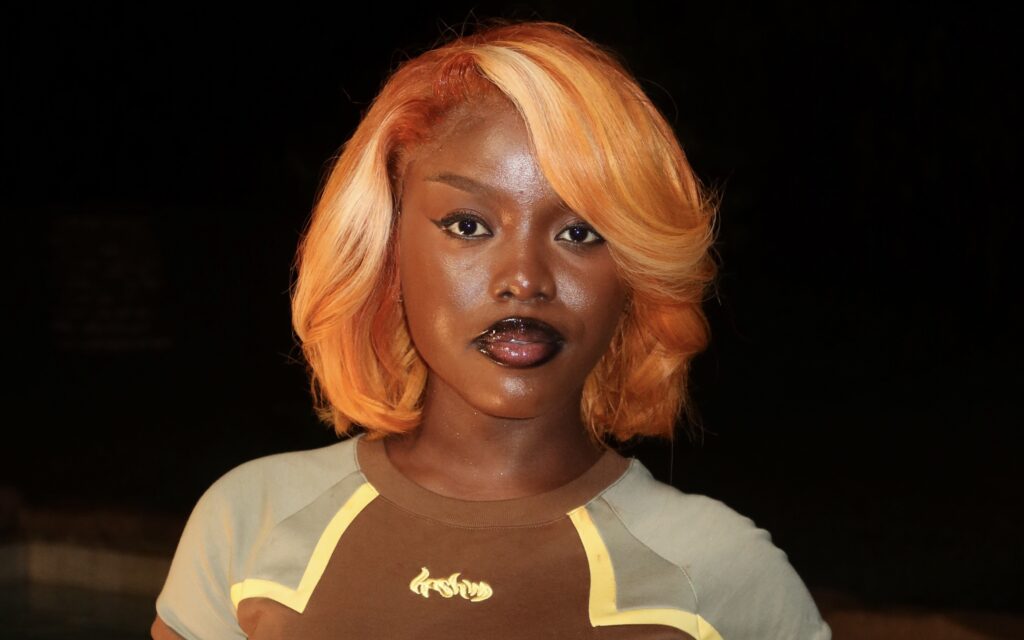
Now, let's talk specifics – because this is where the rubber meets the road and the questions get loud. Take Wendy Shay's undeniably massive hit, 'Too Late' (and we're talking about the original, not the remix). If you were in Ghana, or even just following Ghanaian music anywhere in the world, you know this song. It was everywhere! From trotro stations to VIP lounges, wedding receptions to TikTok challenges, 'Too Late' was in heavy rotation. Streets, charts, playlists – everything aligned. It was a certified banger!
Yet, even with this shiny new 'Swing Period' rule supposedly in play to rescue overlooked hits, 'Too Late' reportedly still found a way to be left out of the nominations. Eii! Let that sink in for a minute. If a rule specifically designed to catch these late-blooming, culturally impactful hits still manages to overlook a certified smash like 'Too Late', then what exactly is it rescuing? This is where the logic starts to wobble, and the entire purpose of the 'Swing Period' comes under fire. It makes you wonder: is this 'fix' genuinely solving a structural flaw, or just giving it a different name?
More Than Just Timing: The Credibility Crisis Looming
It's easy to point fingers at 'bad timing,' but the real villain here isn't the clock; it's the structure. Every credible awards system globally, from the Grammys (The Recording Academy) to the Billboard Music Awards, operates with clear, firm eligibility windows. They set the window, and they stick to it. If a song falls outside, it waits its turn. Simple. Consistent. Predictable. And consistency, charley, builds confidence and trust.
The TGMA's approach, with its 'Swing Period' flexibility, in a space that demands firmness, opens the door wide to interpretation. And once interpretation comes into play, subjectivity follows. When subjectivity dictates fairness, then 'fairness' itself starts looking like a moving target. For artists who dedicate their lives to their craft, and for fans who passionately support them, this ambiguity can be incredibly frustrating. It sends a mixed signal to the industry and potentially dilutes the perceived value of the awards.
Ghanaians Are Talking: The Social Media Buzz
You already know what's happening on the timelines, right? Ghana Twitter, WhatsApp groups, Facebook comment sections – they are all alight with debates and discussions about this very issue. Fans are expressing their frustration loud and clear. 'How can they miss 'Too Late'?' is a common refrain. Others are questioning the transparency of the entire nomination process, reigniting old debates about whether the awards truly reflect the pulse of the streets or if other factors are at play.
The social media vibe is one of concern and, frankly, disappointment. Many feel that if the biggest hits, the ones everyone can agree on, are being overlooked by the very system designed to catch them, then the awards might be losing touch with its audience. This isn't just about Wendy Shay; it's about the feeling that the voice of the people, the 'geng' on the ground, isn't being heard. This kind of disconnect can erode the goodwill and excitement that TGMA has painstakingly built over the years.
So, What's the Real Fix? Beyond the 'Patches'
So, if the 'Swing Period' isn't swinging, what actually works? No need for overthinking, charley. The answer isn't another patch or a clever add-on; it's a redesigned system that truly reflects how music lives and breathes in 2024. Streaming and digital platforms have changed everything. Songs no longer expire quickly; they grow, they travel, they resurface, and sometimes they peak long after their initial release. Impact is no longer tied strictly to a drop date; it's tied to longevity, virality, and genuine cultural reach.
The awards framework simply has to catch up. A few cleaner options stand out:
- A rolling eligibility system that tracks performance over a consistent, longer period, say 18 months, rather than a strict 12-month calendar.
- Impact-based criteria that weigh cultural resonance, streaming numbers, and public engagement alongside traditional release timing.
- A total overhaul of the eligibility period to better align with the modern music cycle, perhaps starting later in the year to capture all of December's releases.
- Or even a delayed recognition model, where songs are judged closer to their actual peak, not just their initial drop date.
The Bigger Picture: Why This Matters to Us All
This whole conversation goes way beyond just one rule or one song. It's about credibility. The Telecel Ghana Music Awards remains the premier platform for Ghanaian music, no doubt. Its status is still intact. But what's definitely shifting is the level of scrutiny. People – artists, fans, industry players, and even casual observers – are paying closer attention to the fine print, the tweaks, the exceptions, and the explanations.
Every decision made by the TGMA board has ripple effects. It impacts artist morale, fan engagement, and ultimately, the perception of Ghanaian music on the global stage. If our biggest awards scheme is seen as inconsistent or opaque, it affects how our music is viewed, valued, and respected. We all want to see Ghanaian music dominate, and for that to happen, our internal structures, especially our awards, need to be watertight, clear, and universally respected.
Final Thoughts: Clarity is Currency
The 'Swing Period' concept sounds good on paper, and the intention behind it is commendable. But in practice, it seems to be missing more notes than it's hitting. It's not fully solving the timing issue, and in glaring cases like Wendy Shay's 'Too Late', it ironically highlights the very gap it was designed to close. At some point, you have to stop adjusting the bandage and deal with the injury properly. In the fast-paced, highly critical world of music and digital media, clarity isn't a luxury; it's currency. And right now, that's one asset the TGMA rulebook can't afford to misplace. Let's hope for a clearer, more consistent rhythm for Ghanaian music's biggest night!



0 Comments
Leave a Comment
No comments yet. Be the first to share your thoughts!