
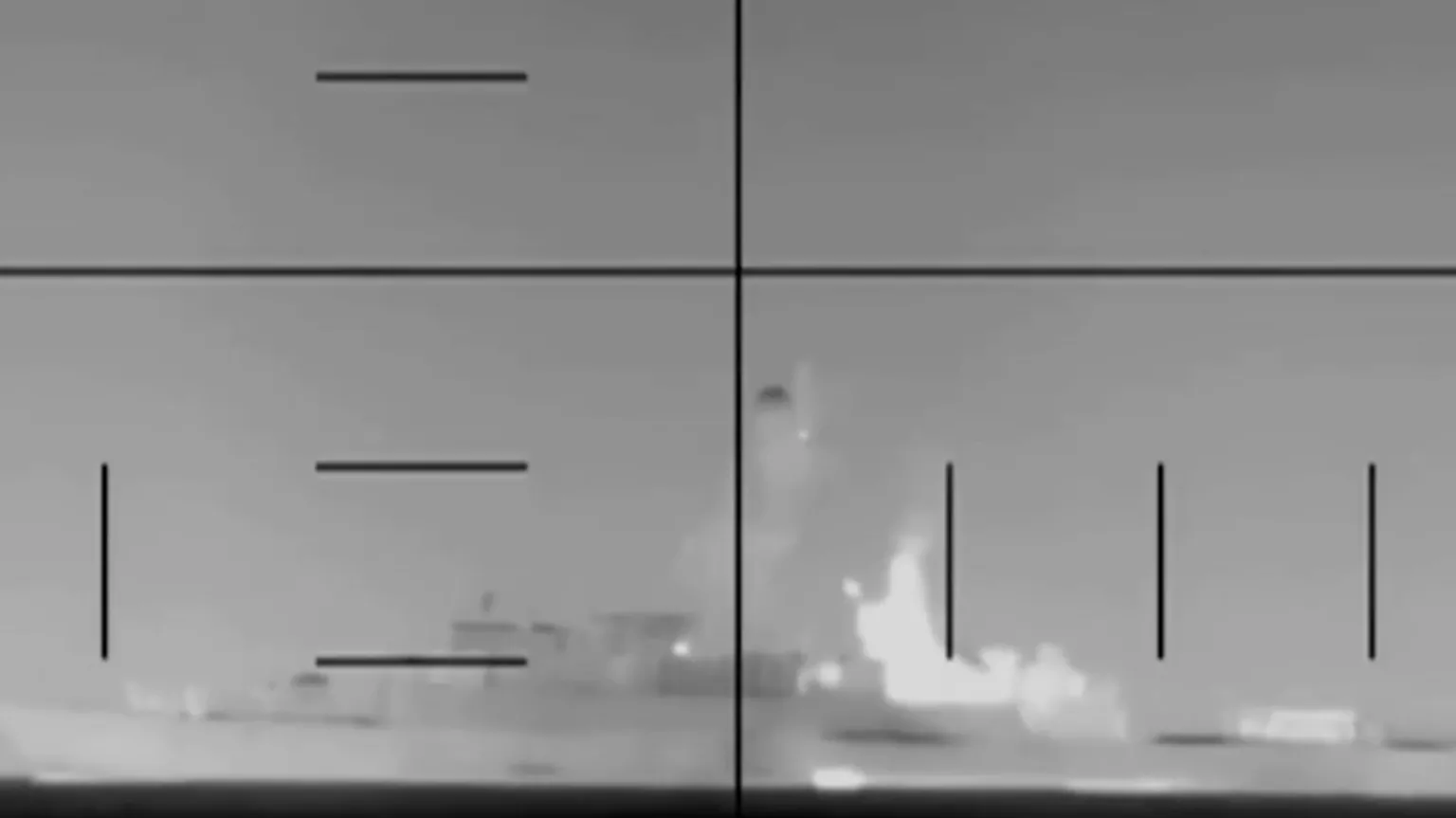
- More than 200 Iranian sailors were left stranded in Sri Lanka after a US torpedo attack.
- They have finally returned home after being stuck in the country for over a month.
- The incident marked a significant escalation of the conflict between the US and Iran.
- Sri Lanka, known for its policy of non-alignment, played a crucial role in mediating the situation.
The news of the stranded Iranian sailors has finally brought a sense of relief to their families and loved ones back home. The US torpedo attack on the Iranian warship, Iris Dena, on March 4th, left 104 sailors dead and over 200 stranded in Sri Lanka. The incident marked a dramatic widening of the conflict between the US and Iran, and it was a tense situation that had been unfolding for weeks.
The Sri Lankan government, known for its policy of non-alignment, played a crucial role in mediating the situation. The country's Deputy Defence Minister, Aruna Jayasekara, confirmed that 32 sailors rescued from the Iris Dena and 206 from Irins Bushehr had left the country. The sailors were granted 30-day entry visas by the Sri Lankan government and were housed in navy and air force camps.
Background: Sri Lanka's Policy of Non-Alignment
Sri Lanka has maintained a long-standing policy of non-alignment since it became independent in 1948. The country has strong economic and diplomatic ties with both Iran and the US, and has always been cautious in its approach to international politics. This policy has allowed Sri Lanka to maintain its neutrality in global conflicts and has earned it a reputation as a responsible and diplomatic nation.
However, the recent incident has raised questions about the limits of Sri Lanka's non-alignment policy. While the country has maintained its neutrality, it has also provided humanitarian assistance to the stranded Iranian sailors. This has led some to wonder whether Sri Lanka's policy of non-alignment is still relevant in today's global politics.
The Aftermath of the Torpedo Attack
The torpedo attack on the Iranian warship, Iris Dena, was a significant escalation of the conflict between the US and Iran. The attack was widely condemned by Iran, and it led to retaliatory strikes across the Middle East. The incident has highlighted the fragile nature of global politics and the need for diplomacy and dialogue in resolving conflicts.
The return of the stranded Iranian sailors is a welcome development, and it marks the end of a difficult chapter in the conflict between the US and Iran. However, the incident has also raised questions about the impact of global conflicts on ordinary people and the need for humanitarian assistance in times of crisis.
What This Means
The incident has significant implications for global politics and the need for diplomacy and dialogue in resolving conflicts. It highlights the importance of humanitarian assistance in times of crisis and the need for countries to maintain their neutrality in global conflicts.
The return of the stranded Iranian sailors is a welcome development, and it marks the end of a difficult chapter in the conflict between the US and Iran. However, the incident has also raised questions about the impact of global conflicts on ordinary people and the need for humanitarian assistance in times of crisis.
The incident has also raised questions about the limits of Sri Lanka's non-alignment policy. While the country has maintained its neutrality, it has also provided humanitarian assistance to the stranded Iranian sailors. This has led some to wonder whether Sri Lanka's policy of non-alignment is still relevant in today's global politics.
The incident has significant implications for global politics and the need for diplomacy and dialogue in resolving conflicts. It highlights the importance of humanitarian assistance in times of crisis and the need for countries to maintain their neutrality in global conflicts.
As the world continues to grapple with the complexities of global politics, the incident serves as a reminder of the need for diplomacy, dialogue, and humanitarian assistance in resolving conflicts.





0 Comments
Leave a Comment
No comments yet. Be the first to share your thoughts!