
Key Takeaways
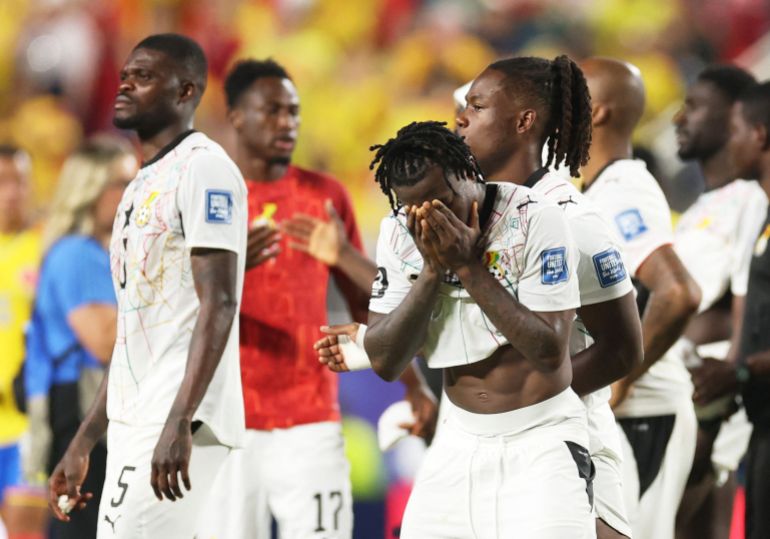
- The Black Stars were eliminated from the 2026 FIFA World Cup after a 1-0 loss to Colombia.
- Tactical vulnerability, defensive lapses, and a squad in transition were cited as reasons for the elimination.
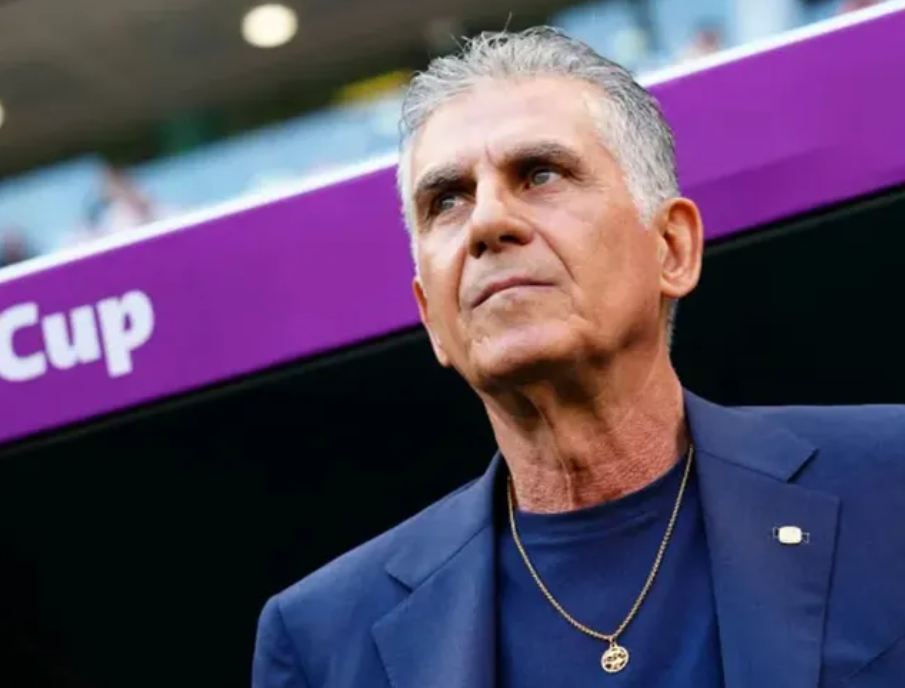
- Head coach Carlos Queiroz emphasized the need for patience and time to implement his style and vision.
Ghana's 2026 FIFA World Cup elimination has sparked intense debate within the Black Stars camp, with players and leadership pointing to a mix of tactical vulnerability, offensive lethargy, and the difficult realities of a squad in transition.
The final 1-0 scoreline against Colombia suggests a narrow defeat, but the post-match reaction indicates that systemic issues, rather than mere misfortune, sealed the team's exit.
Defensive Disruption and Structural Collapse
Head coach Carlos Queiroz identified an early injury to Marvin Senaya as the catalyst for his team's defensive unravelling. Senaya's forced exit shattered the team's composure, leaving a gap that Colombia exploited.
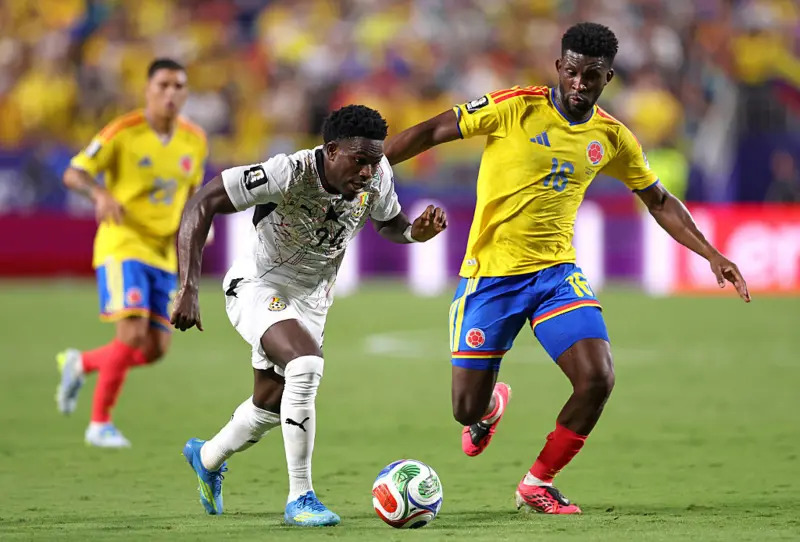
The defensive lapse proved costly when Luis Suárez, introduced after an injury to Jhon Córdoba, exploited space on the right flank. Suárez picked out the unmarked Jhon Arias at the far post, capitalising on a moment where teenage midfielder Caleb Yirenkyi lost his defensive assignment.
The manager emphasised that the emergency substitution prevented the side from stabilising during a critical phase. This tactical imbalance proved irrecoverable as the team struggled to regain its footing against a disciplined opponent.
Heavy Criticism Regarding Offensive Intensity
Former Black Stars captain Asamoah Gyan was blunt in his evaluation of the team's failure to threaten the Colombian goal. He pointed to a lack of desire and tactical presence in the final third.
Gyan argued that the team failed to commit enough players forward, stating, 'We did not have men in the box.'
The lack of creativity was particularly pronounced in the absence of Tottenham's Mohammed Kudus. Ghana struggled throughout the encounter to pose a consistent threat, ultimately failing to register a single shot on target.
Appeals for Patience Amidst Transition
Captain Jordan Ayew has sought to shield the coaching staff from immediate backlash. He emphasised that the team is in the early stages of a fundamental shift.
Ayew argued that the two-month tenure of Carlos Queiroz is too short to expect a complete transformation. He urged the public to view the result through the lens of long-term development.
Ayew noted that the team's defensive structure has shown progress under the new regime. He remains confident in the coach's long-term vision.
Fine Margins and Missed Chances
Defender Jerome Opoku echoed the sentiment that the match was decided by clinical efficiency. For Opoku, the frustration stems from the team's failure to capitalise on their scoring opportunities, a recurring theme throughout the campaign.
Opoku acknowledged that the squad failed to execute when it mattered most. 'The game plan was to win against Colombia. We didn’t, so congratulations to Colombia.'
Looking Ahead
The challenge ahead lies in reconciling the calls for patience with the urgent need for competitive results. The national team must now navigate the difficult process of cementing an identity that can sustain them through the next qualification cycle.
For a nation with such a storied footballing history, the road back to continental and global relevance will likely be defined by how effectively leadership balances this long-term restructuring with the high-stakes demands of international tournament football.
Image Source: https://www.myjoyonline.com/wp-content/uploads/2026/07/1-20.jpg

0 Comments
Leave a Comment
No comments yet. Be the first to share your thoughts!