
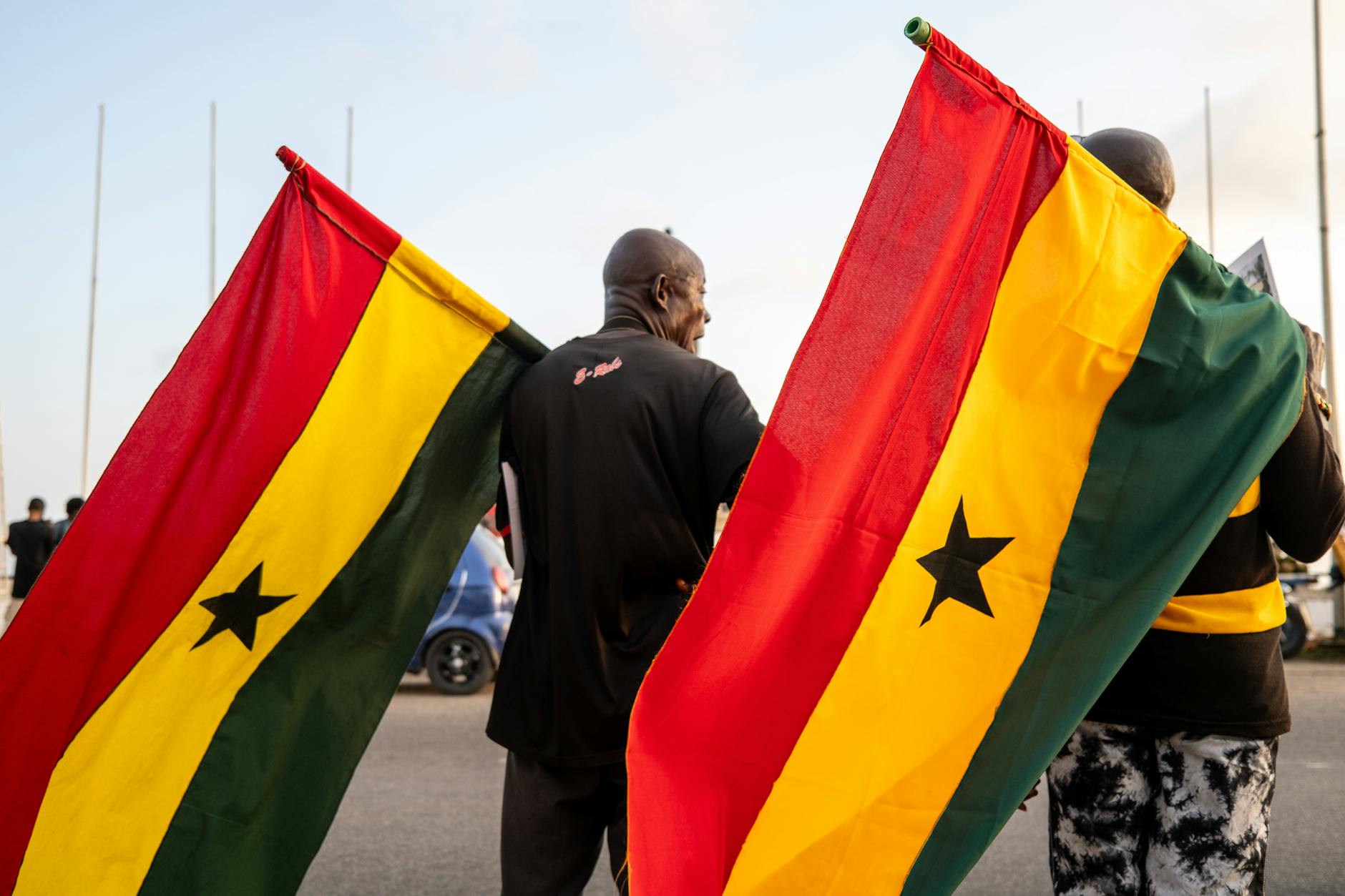
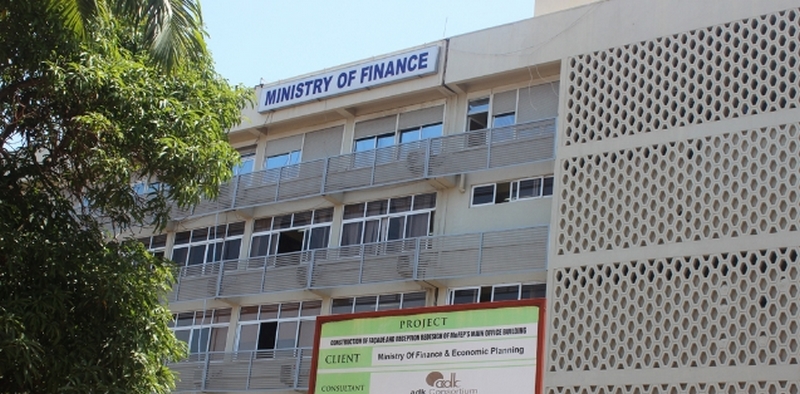
- Unpaid teachers, led by the Coalition of Unpaid Teachers, plan to protest indefinitely at the Ministry of Finance starting April 15, 2026.
- The protest is a result of the government's failure to provide a clear payment plan for their salary arrears, which some teachers have gone without for up to 18 months.
- The coalition is demanding direct engagement with President John Dramani Mahama, the Vice President, or the Chief of Staff to resolve the issue.
As the academic year comes to a close, thousands of unpaid teachers across Ghana are preparing to take a stand against the government's inaction on their salary arrears. The Coalition of Unpaid Teachers, led by National Organiser Eugene Zoranu Segbefia, has announced plans to protest indefinitely at the Ministry of Finance starting April 15, 2026, if the government fails to provide a clear payment plan.
Speaking on Joy FM's Top Story, Mr. Segbefia revealed that some teachers have worked for between seven and 18 months without pay, leaving many to wonder if the government will ever fulfill its obligation to them. 'We have teachers who have worked between seven and 18 months without salaries. As we speak, we don't even know whether the government will fulfil its obligation to us,' he lamented.
History of Unpaid Teachers in Ghana
The issue of unpaid teachers in Ghana dates back several years, with many teachers working without pay for extended periods. In 2019, the Ghana Education Service (GES) was hit by a financial crisis, leaving many teachers unpaid for several months. Although the government promised to clear the arrears, many teachers were left to suffer, with some even losing their jobs due to lack of payment.
Fast forward to 2026, and the situation remains unchanged. The Coalition of Unpaid Teachers has been engaged in multiple discussions with key authorities, including the Director-General of the Ghana Education Service and the Minister for Education, but no concrete timeline for payment has been provided.
Government's Priorities in Question
The government's priorities have been called into question, with many arguing that it is unfair to recruit new teachers while existing ones remain unpaid. 'We are already in the classrooms working, yet we are not being paid. Why recruit more teachers when you cannot even pay those already in the system?' Mr. Segbefia quizzed.
He also expressed frustration over the unequal treatment of teachers compared to other public sector workers. 'We went through similar processes as the nurses, yet they are receiving their arrears from this April. Are we not also providing essential services to this country?' he asked.
Protest Plans
The coalition has given the government up to April 12, 2026, to present a payment plan, but no response has been received. As a result, the group plans to escalate its action beginning tomorrow, April 15. 'Tomorrow, April 15, we are hitting the streets. And we are not leaving anytime soon,' Mr. Segbefia declared.
The coalition is demanding direct engagement with President John Dramani Mahama, the Vice President, or the Chief of Staff to resolve the issue. Members are prepared for an extended protest, including sleeping at the Ministry of Finance premises. 'We are coming with our belongings. Some colleagues are travelling from Kumasi and Tamale. We are prepared to sleep at the Ministry of Finance until we get a payment plan. That is the last thing we will do,' Mr. Segbefia disclosed.
What This Means
The upcoming protest by the Coalition of Unpaid Teachers is a clear indication that the government's inaction on the issue of unpaid teachers has reached a boiling point. The protest is expected to draw attention to the plight of thousands of teachers who have worked without pay for extended periods. The government must take immediate action to resolve this issue and provide a clear payment plan to the affected teachers.
The protest is also a reflection of the broader issues affecting the education sector in Ghana. The government's priorities have been called into question, with many arguing that it is unfair to recruit new teachers while existing ones remain unpaid. The government must take a closer look at its priorities and ensure that it is providing fair treatment to all public sector workers.
The outcome of the protest will be closely watched, and it remains to be seen how the government will respond to the demands of the Coalition of Unpaid Teachers. One thing is certain, however: the issue of unpaid teachers will not go away until it is resolved.
As the academic year comes to a close, the future of thousands of teachers hangs in the balance. The government must take immediate action to resolve this issue and provide a clear payment plan to the affected teachers. Anything less will be seen as a failure to prioritize the education sector and the teachers who are the backbone of our education system.
The Coalition of Unpaid Teachers is ready to take a stand, and it is up to the government to respond. The time for talking is over; it is time for action.

0 Comments
Leave a Comment
No comments yet. Be the first to share your thoughts!