
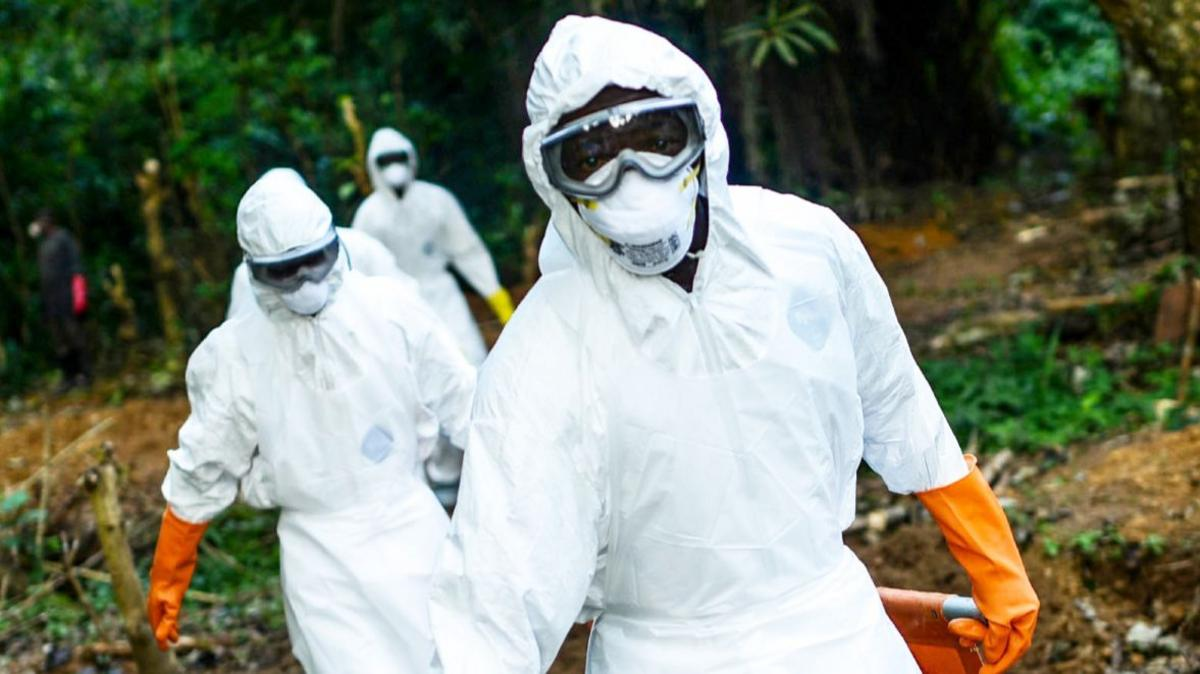
Key Takeaways
- The Ebola outbreak in the Democratic Republic of Congo has resulted in over 200 suspected deaths and more than 850 suspected cases.
- The World Health Organisation has declared a public health emergency of international concern.
- There is no approved vaccine for this outbreak, and no drugs that target the virus, making it harder to treat.
- Medical aid organisations are struggling to get resources to the affected areas due to airspace closures and lack of protective measures.
A devastating Ebola outbreak in the Democratic Republic of Congo is posing massive challenges for medical aid organisations, according to a senior humanitarian official. Kate White, Programme Manager for Médecins Sans Frontières (MSF), expressed extreme concern about the inability to get resources to the affected area, citing the need for comprehensive medical countermeasures.
The outbreak has resulted in over 200 suspected deaths and more than 850 suspected cases, with the World Health Organisation (WHO) declaring a public health emergency of international concern. The lack of a vaccine and effective treatment options is exacerbating the situation, making it harder for medical aid organisations to contain the outbreak.
Background & Context
Ebola is a rare but deadly disease caused by a virus, which normally infects animals but can sometimes start spreading among humans when people eat or handle infected animals. The virus spreads through contact with infected bodily fluids such as blood or vomit, and can lead to severe symptoms including fever, headache, vomiting, and diarrhoea.
The latest outbreak is challenging due to the involvement of a rare species of Ebola for which there is no vaccine, and the epicentre being in an area affected by conflict. This has hindered efforts to understand the chains of transmission, making it more difficult to get the outbreak under control.
Urbanisation has increased the risk of transmission by pushing larger populations closer to natural reservoirs of Ebola. The inability to contain outbreaks, despite years of experience, raises concerns about the state of global medical preparedness.
Why This Matters
The Ebola outbreak in the Democratic Republic of Congo highlights the vulnerability of global healthcare systems to emerging diseases. The lack of effective countermeasures and the challenges in getting resources to affected areas underscore the need for increased investment in medical research and global health infrastructure.
The impact of airspace closures on the transport of healthcare workers and resources to affected areas is also a pressing concern. Medical aid organisations must navigate complex logistical challenges to deliver aid effectively, which requires sustained support from governments and international partners.
The Ebola outbreak serves as a stark reminder of the importance of continued investment in global health security, particularly in regions prone to outbreaks. By addressing the root causes of these challenges, we can reduce the risk of future outbreaks and improve the effectiveness of medical aid efforts.
Looking Ahead
As the Ebola outbreak continues to pose significant challenges, medical aid organisations and global health authorities must work together to develop effective countermeasures and improve resource allocation. The lack of a vaccine and effective treatment options means that the focus must be on containment and prevention, requiring sustained support from governments and international partners.
The WHO's declaration of a public health emergency of international concern underscores the gravity of the situation, and the need for collective action to address the outbreak. By working together, we can reduce the risk of further spread and mitigate the impact of this devastating disease.
Image Source: https://www.myjoyonline.com/wp-content/uploads/2026/05/image-2786.png





0 Comments
Leave a Comment
No comments yet. Be the first to share your thoughts!