
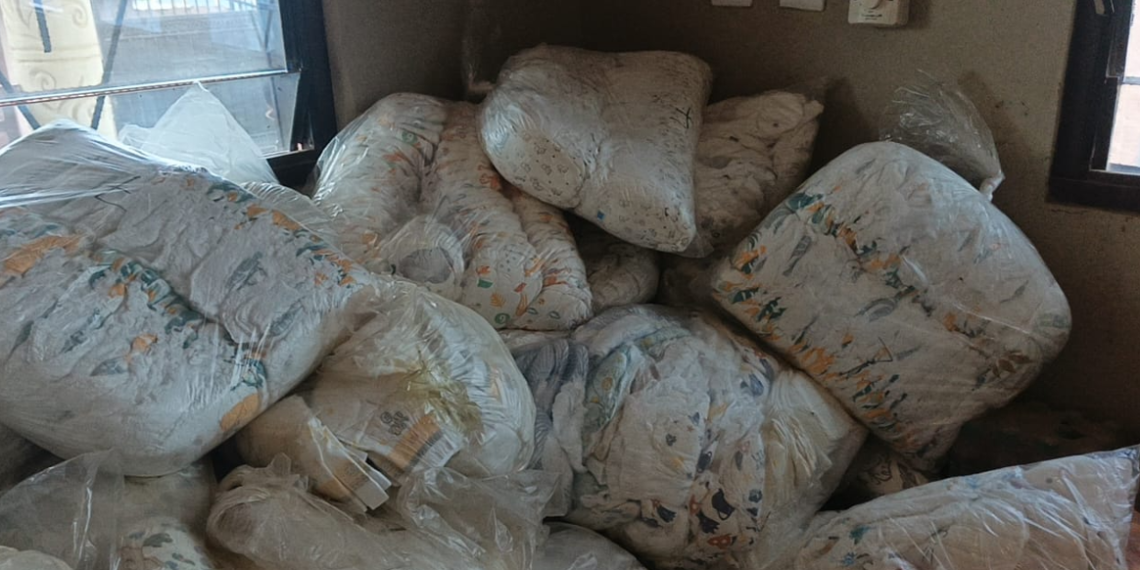
- The Food and Drugs Authority (FDA) has seized over 155 packs of unapproved baby diapers in the Western North Region.
- The operation was conducted in collaboration with the Ghana Police Service and Consumer Protection Agency.
- The move is part of the FDA's efforts to control the influx of unapproved and second-hand baby diapers on the market.
- The FDA has warned parents to only buy approved baby diapers to ensure the safety of their children.
The Western North Region has witnessed a significant crackdown on unapproved baby diapers, with the FDA seizing over 15,000 units from 21 outlets across the region. This operation, supported by the Ghana Police Service and Consumer Protection Agency, is part of a broader effort to protect consumers, particularly babies, from the harmful effects of substandard diapers. The FDA's Western North Regional Director, Albert Ankomah, emphasized the importance of this exercise, stating that it is crucial to safeguard the health and well-being of babies by ensuring that only approved and registered diapers are sold on the market.
The FDA's move is a welcome development, especially for parents who are often concerned about the safety and quality of baby products. The use of unapproved diapers can lead to serious health complications, including skin irritation and infections. By removing these substandard products from the market, the FDA is helping to mitigate these risks and promote a healthier environment for babies. The operation also serves as a warning to wholesalers and retailers who deal in unapproved products, emphasizing the need for them to comply with regulatory standards to avoid facing the consequences.
Background: The Rise of Unapproved Baby Diapers
The proliferation of unapproved baby diapers in Ghana is a worrying trend that has been on the rise in recent years. The FDA has been working tirelessly to address this issue, conducting regular market surveillance and seizures to remove these products from the market. However, the problem persists, with many unapproved diapers still finding their way onto store shelves. This is often due to the fact that these products are cheaper and more readily available, making them an attractive option for some consumers. Nevertheless, the risks associated with using unapproved diapers far outweigh any potential cost savings.
The FDA's efforts to control the influx of unapproved baby diapers are part of a broader strategy to promote public health and safety. The Authority has been working closely with other regulatory agencies, including the Ghana Police Service and Consumer Protection Agency, to ensure that all products sold on the market meet the required standards. This collaboration is crucial in addressing the complex issues surrounding the sale of unapproved products, which often involve multiple stakeholders and require a coordinated approach.
Historically, Ghana has struggled with the issue of counterfeit and unapproved products, including baby diapers. The problem is often attributed to the country's porous borders, which make it easy for unapproved products to enter the market. Additionally, the lack of effective regulatory frameworks and enforcement mechanisms has contributed to the proliferation of these products. However, in recent years, the FDA has been working to address these challenges, strengthening its regulatory capacity and collaborating with other agencies to promote a safer and more regulated market.
Impact: Who is Affected and How?
The seizure of unapproved baby diapers in the Western North Region is a significant development that affects various stakeholders, including parents, wholesalers, and retailers. For parents, the removal of these substandard products from the market provides reassurance that they can purchase safe and approved diapers for their babies. This is particularly important for low-income families who may be more vulnerable to the risks associated with using unapproved diapers. By promoting the sale of approved diapers, the FDA is helping to level the playing field and ensure that all consumers have access to safe and quality products.
Wholesalers and retailers who deal in unapproved baby diapers are also affected by the FDA's operation. The seizure of these products serves as a warning to these stakeholders, emphasizing the need for them to comply with regulatory standards to avoid facing the consequences. The FDA's efforts to promote compliance and enforce regulatory standards are crucial in promoting a fair and competitive market, where all stakeholders operate on a level playing field. By removing unapproved products from the market, the FDA is helping to create an environment that rewards compliance and punishes non-compliance.
The impact of the FDA's operation extends beyond the Western North Region, with implications for the broader Ghanaian market. The removal of unapproved baby diapers from the market helps to promote public health and safety, reducing the risks associated with using substandard products. This, in turn, contributes to a healthier and more productive population, which is essential for Ghana's economic growth and development. By addressing the issue of unapproved baby diapers, the FDA is helping to promote a culture of safety and compliance, which is critical for the country's long-term prosperity.
Expert Angle: What the Analysts Say
Analysts have welcomed the FDA's operation, describing it as a significant step towards promoting public health and safety. According to experts, the removal of unapproved baby diapers from the market is crucial in reducing the risks associated with using substandard products. The FDA's efforts to enforce regulatory standards and promote compliance are also seen as essential in creating a fair and competitive market, where all stakeholders operate on a level playing field.
Experts have also emphasized the need for continued vigilance and enforcement, highlighting the fact that the problem of unapproved baby diapers is complex and multifaceted. The FDA's operation in the Western North Region is seen as a positive development, but it is only one part of a broader strategy to address the issue. Analysts have called for increased collaboration and coordination between regulatory agencies, as well as greater public awareness and education, to promote a safer and more regulated market.
The FDA's operation has also been praised by consumer protection groups, who see it as a significant victory for consumers. According to these groups, the removal of unapproved baby diapers from the market is a crucial step towards promoting consumer safety and protection. The FDA's efforts to enforce regulatory standards and promote compliance are seen as essential in creating a market that is fair and transparent, where consumers have access to safe and quality products.
Local Relevance: What it Means for Ghanaian Consumers
The FDA's operation in the Western North Region has significant implications for Ghanaian consumers, particularly parents who are concerned about the safety and quality of baby products. The removal of unapproved baby diapers from the market provides reassurance that consumers can purchase safe and approved diapers for their babies. This is particularly important for low-income families who may be more vulnerable to the risks associated with using unapproved diapers.
The FDA's efforts to promote compliance and enforce regulatory standards are also crucial in promoting a fair and competitive market, where all stakeholders operate on a level playing field. By removing unapproved products from the market, the FDA is helping to create an environment that rewards compliance and punishes non-compliance. This, in turn, contributes to a healthier and more productive population, which is essential for Ghana's economic growth and development.
The FDA's operation is also seen as a positive development for Ghanaian businesses, particularly those that operate in the baby products sector. By promoting a safer and more regulated market, the FDA is helping to create an environment that is conducive to business growth and development. This, in turn, can lead to increased investment and job creation, which are critical for Ghana's economic prosperity.
What This Means for Ghanaians
The FDA's operation in the Western North Region is a significant development that has far-reaching implications for Ghanaians. The removal of unapproved baby diapers from the market provides reassurance that consumers can purchase safe and approved diapers for their babies. This, in turn, contributes to a healthier and more productive population, which is essential for Ghana's economic growth and development.
The FDA's efforts to promote compliance and enforce regulatory standards are also crucial in promoting a fair and competitive market, where all stakeholders operate on a level playing field. By removing unapproved products from the market, the FDA is helping to create an environment that rewards compliance and punishes non-compliance. This, in turn, can lead to increased investment and job creation, which are critical for Ghana's economic prosperity.
However, the problem of unapproved baby diapers is complex and multifaceted, requiring a sustained and coordinated effort to address. The FDA's operation in the Western North Region is only one part of a broader strategy to promote public health and safety. Ghanaians must remain vigilant and continue to demand safe and quality products, while also supporting the FDA's efforts to enforce regulatory standards and promote compliance.
What to Watch Next
The FDA's operation in the Western North Region is a significant development that will be closely watched by consumers, businesses, and regulatory agencies. The Authority's efforts to promote compliance and enforce regulatory standards will continue to be crucial in promoting a fair and competitive market, where all stakeholders operate on a level playing field.
As the FDA continues to enforce regulatory standards and promote compliance, it is likely that we will see increased collaboration and coordination between regulatory agencies. This, in turn, can lead to a safer and more regulated market, where consumers have access to safe and quality products. Ghanaians must remain vigilant and continue to demand safe and quality products, while also supporting the FDA's efforts to promote public health and safety.
The FDA's operation is also likely to have implications for the broader Ghanaian market, particularly in the baby products sector. As the Authority continues to enforce regulatory standards and promote compliance, we can expect to see increased investment and job creation in the sector. This, in turn, can lead to economic growth and development, which are critical for Ghana's prosperity.
In conclusion, the FDA's operation in the Western North Region is a significant development that has far-reaching implications for Ghanaians. The removal of unapproved baby diapers from the market provides reassurance that consumers can purchase safe and approved diapers for their babies. The FDA's efforts to promote compliance and enforce regulatory standards are crucial in promoting a fair and competitive market, where all stakeholders operate on a level playing field. As we look to the future, it is likely that we will see increased collaboration and coordination between regulatory agencies, leading to a safer and more regulated market, where consumers have access to safe and quality products.






0 Comments
Leave a Comment
No comments yet. Be the first to share your thoughts!