
Key Takeaways
- The Ghana Free Zones Authority has been commended for its role in attracting investment, boosting exports, and creating employment opportunities.
- Ranking Member of Parliament's Trade, Industry, and Tourism Committee, Michael Okyere Baafi, has called for a review of the Free Zones Act to keep pace with global trade dynamics.
- Stronger collaboration between the Authority and international development institutions is seen as crucial in unlocking opportunities for infrastructure expansion and investment mobilisation.
- The Free Zones Programme aims to advance industrialisation, improve export competitiveness, and promote sustainable economic growth in Ghana.
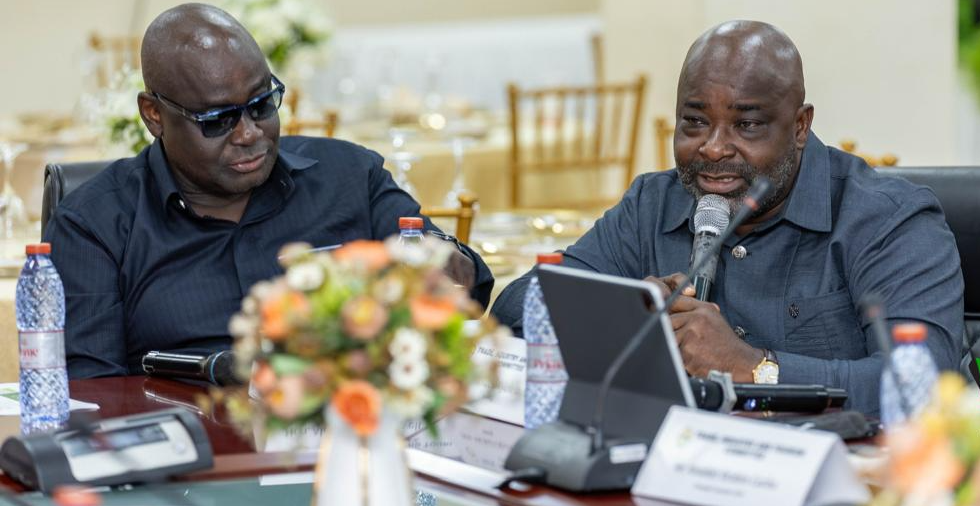
The Ghana Free Zones Authority has been praised for its significant contributions to the country's economy, particularly in attracting investment, boosting exports, and creating employment opportunities. According to Ranking Member of Parliament's Trade, Industry, and Tourism Committee, Michael Okyere Baafi, the Authority's Free Zones Programme has been instrumental in achieving these goals.
Mr. Baafi, who has a deep understanding of the Authority's operations having served as its Chief Executive Officer in the past, emphasized the need for the Authority to review the Free Zones Act to ensure it remains responsive to evolving global trade dynamics. He noted that this review is crucial in maintaining the programme's competitiveness and effectiveness in meeting the needs of investors and exporters.
Background & Context
The Free Zones Programme in Ghana was established to promote export-oriented industrialization and foreign investment. The programme offers a range of incentives, including tax exemptions, duty-free imports, and streamlined regulatory processes, to attract investors and encourage the growth of export-oriented industries.
Over the years, the programme has contributed significantly to Ghana's economic growth, with exports from Free Zones companies increasing steadily. However, the programme faces several challenges, including the need for legislative reforms to keep pace with global trade dynamics and the requirement for stronger collaboration with international development institutions.
Why This Matters
The success of the Free Zones Programme has significant implications for Ghana's economic development. The programme's ability to attract investment and promote exports has contributed to the country's economic growth, creating jobs and improving living standards. However, the programme's challenges, including the need for legislative reforms and stronger collaboration with international development institutions, must be addressed to ensure its continued success.
The programme's impact on national development is also significant, with the Free Zones Authority working closely with the Parliamentary Select Committee on Trade, Industry, and Tourism to ensure that the programme aligns with the country's development objectives.
Looking Ahead
The Ghana Free Zones Authority is committed to strengthening the Free Zones Programme and enhancing its impact on national development. The Authority is working closely with Parliament and international development institutions to address the programme's challenges and unlock new opportunities for growth and development.
The programme's future success will depend on the ability of the Authority to navigate the complex global trade landscape and adapt to the evolving needs of investors and exporters. With the right policies, regulatory frameworks, and international partnerships in place, the Free Zones Programme has the potential to make a significant contribution to Ghana's economic growth and development.
Image Source: https://www.myjoyonline.com/wp-content/uploads/2026/06/image-1450-e1781080392777.png


0 Comments
Leave a Comment
No comments yet. Be the first to share your thoughts!