
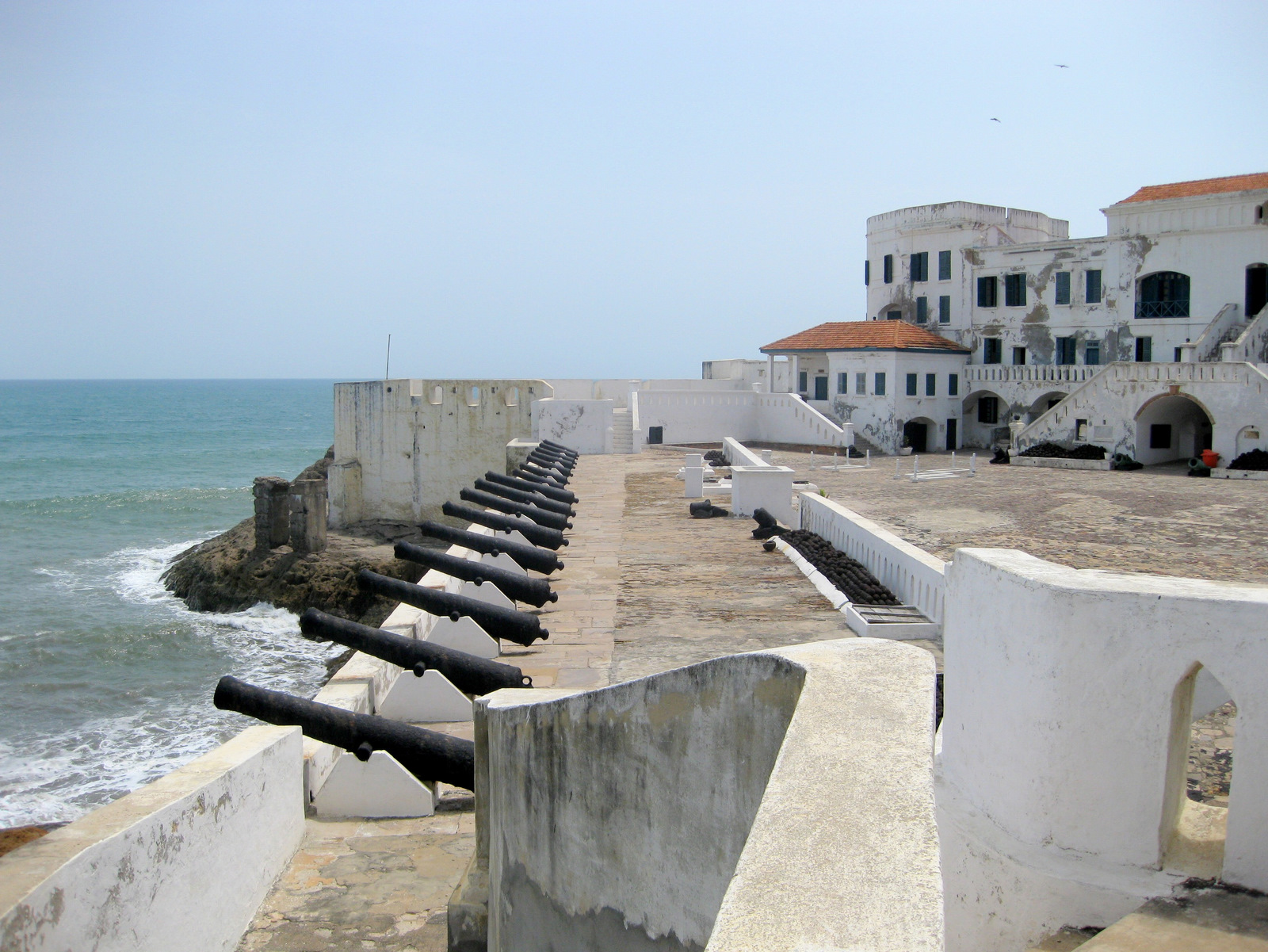
The Government of Ghana, through its Special Envoy for Reparations and Heritage, has officially launched a massive $100 million fundraising campaign aimed at the comprehensive restoration of the nation’s historic forts and castles. This urgent initiative follows a series of warnings from UNESCO regarding the deteriorating state of these World Heritage sites, which are central to the history of the transatlantic slave trade and Ghana’s colonial past. From the iconic Cape Coast Castle to the Elmina Castle and the smaller forts dotted along the coastline, many of these structures are facing severe structural threats from sea erosion, neglect, and the ravages of the tropical climate.
The "Heritage Rescue Fund" is designed to pull resources from both local and international donors, including the Ghanaian diaspora, corporate entities, and global cultural foundations. The Special Envoy emphasized that these sites are not just tourist attractions but are "sacred archives of human history" that must be preserved for future generations. The $100 million target is intended to cover more than just cosmetic repairs. A significant portion of the budget will be allocated to coastal engineering projects, such as sea walls and boulders, to prevent the Atlantic Ocean from further undermining the foundations of these historic edifices.
The restoration project will be handled by a consortium of international conservationists and local architects to ensure that the original architectural integrity of the forts is maintained. For many of these sites, the lack of consistent maintenance has led to crumbling masonry, leaking roofs, and the loss of historical artifacts. The initiative also includes plans to modernize the museums within the castles, incorporating digital storytelling and interactive displays to provide a more immersive educational experience for visitors. This modernization is expected to boost heritage tourism, which remains a vital source of foreign exchange for the country.
Beyond physical preservation, the government sees this drive as a central part of its reparations agenda. By preserving the sites where millions of Africans were forcefully taken, Ghana aims to strengthen its role as the gateway to the "Year of Return" and "Beyond the Return" movements. The Special Envoy noted that the world owes it to the victims of the slave trade to ensure that the evidence of this history does not disappear. The fundraising drive has already seen an initial pledge from several private sector partners in Ghana, who view the restoration of these sites as a matter of national pride and economic opportunity.
However, the scale of the project has raised questions about long-term sustainability. Critics have argued that while a one-time $100 million injection is helpful, a permanent maintenance framework is needed to ensure these sites do not fall back into disrepair. In response, the Ministry of Tourism, Arts, and Culture has proposed a new management model that would see a percentage of all castle gate fees reinvested directly into a dedicated maintenance fund. As the fundraising campaign kicks off globally, the eyes of the world will be on Ghana to see if it can successfully save these monuments that stand as a testament to both human resilience and the dark chapters of our shared history.



0 Comments
Leave a Comment
No comments yet. Be the first to share your thoughts!