
Key Takeaways
- Ghana's economic recovery is largely driven by domestic government policy decisions, not the IMF.
- The country's progress reflects a combination of deliberate policy choices and favourable global economic conditions.
- Macroeconomic indicators alone do not reflect true economic progress unless they translate into jobs, better wages, and reduced inequality.
- Private sector participation in the Electricity Company of Ghana (ECG) is a domestically driven policy move, not an IMF-imposed condition.
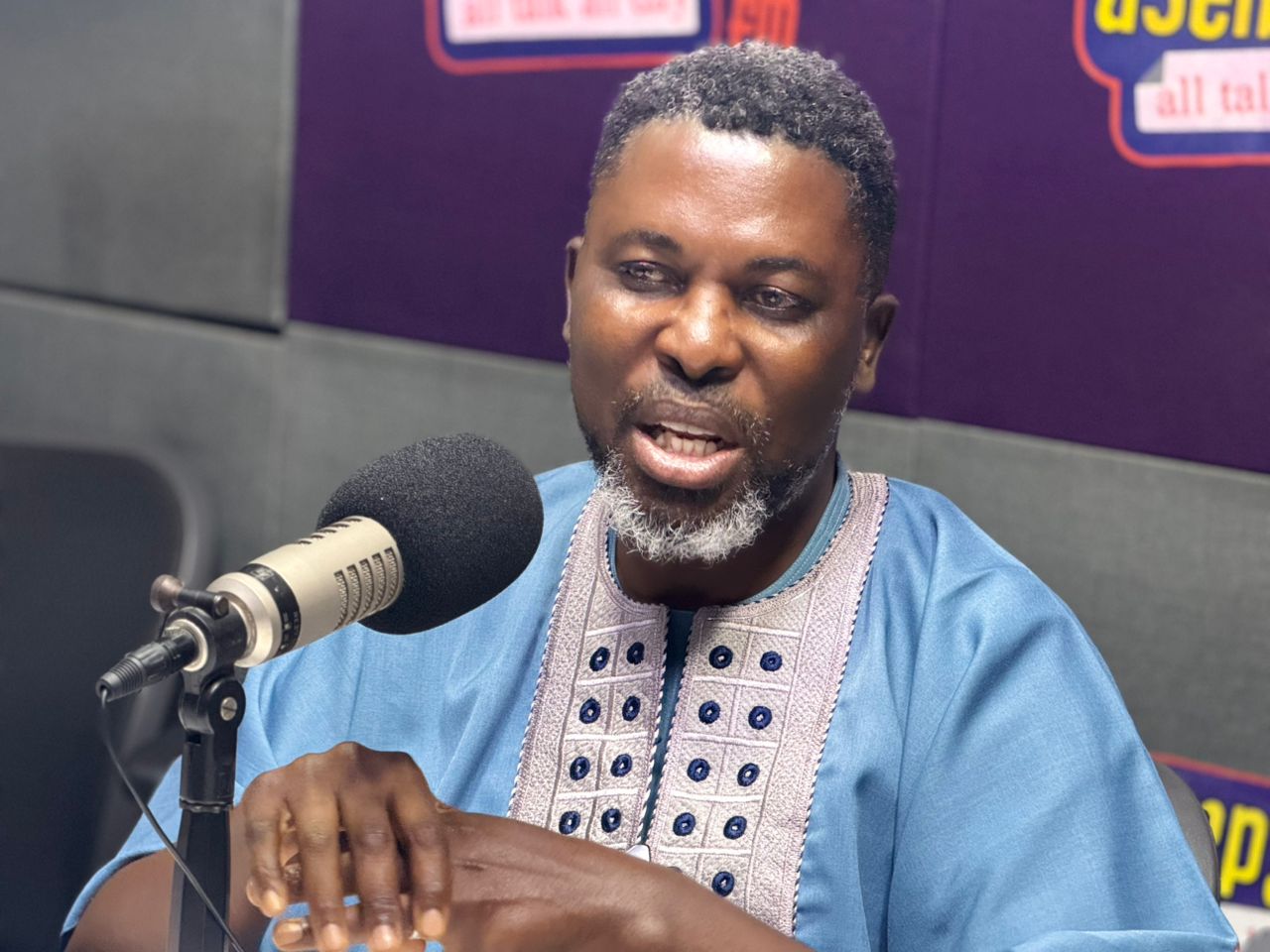
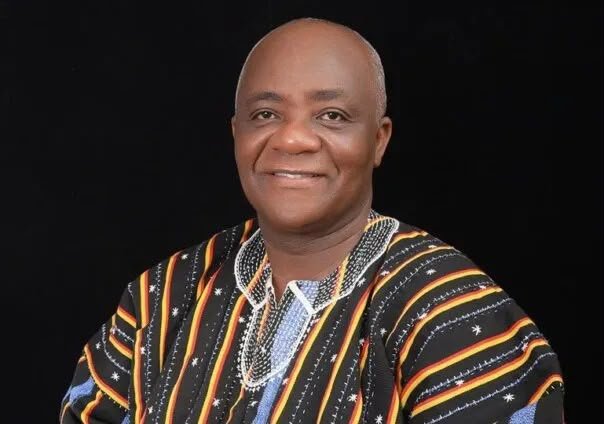
Ghana's recent economic recovery has been a subject of interest among economists and policymakers. According to Dr Kwabena Nyarko Otoo, Deputy Secretary-General of the Trades Union Congress Ghana, the country's progress is largely driven by domestic government policy decisions rather than the influence of the International Monetary Fund (IMF).
Speaking on Newsfile on Saturday, May 16, Dr Otoo argued that the country's progress reflects a combination of deliberate policy choices by government and favourable global economic conditions, particularly rising gold prices. He noted that key economic indicators, including inflation, had already begun improving before the IMF programme fully took effect.
Background & Context
Ghana's economy has been experiencing a rollercoaster ride in recent years, with the country facing numerous economic challenges. The country's repeated engagement with the IMF now about 18 programmes highlight a deeper structural issue in the economy, particularly its dependence on import liberalisation policies.
The IMF has been providing financial assistance to Ghana since the 1960s, with the latest programme being a $918 million Extended Credit Facility approved in 2020. However, the country's reliance on IMF programmes has been a subject of debate among economists and policymakers.
Dr Otoo's comments highlight the need for Ghana to adopt a more sustainable economic growth model that is not dependent on external aid. He emphasized the importance of domestic actions in driving economic recovery and warned that the country will continue on the same trajectory unless it changes course in terms of policy.
Why This Matters
The debate on whether Ghana's economic recovery is IMF-driven or domestically driven has significant implications for the country's economic policy direction. If Dr Otoo's assessment is correct, it means that the country's policymakers have been making deliberate choices to drive economic recovery, rather than relying solely on external assistance.
This has broader implications for the country's economic growth model. If the country can drive economic recovery through domestic actions, it means that it has the capacity to implement policies that benefit its citizens, rather than relying on external aid.
The proposed private sector participation in the Electricity Company of Ghana (ECG) is also a domestically driven policy move, according to Dr Otoo. This highlights the need for the country to adopt a more market-driven approach to economic development, rather than relying on state-owned enterprises.
Looking Ahead
Ghana's economic recovery is a complex issue that requires careful consideration of various factors. While Dr Otoo's comments highlight the importance of domestic actions, they also underscore the need for the country to address its deeper structural issues, particularly its dependence on import liberalisation policies.
The country's policymakers will need to carefully weigh the pros and cons of adopting a more market-driven approach to economic development, while also ensuring that the benefits of economic growth are shared equitably among all citizens.
Image Source: https://www.myjoyonline.com/wp-content/uploads/2024/10/IMF.jpeg


0 Comments
Leave a Comment
No comments yet. Be the first to share your thoughts!