

- The Ghana Maritime Authority has defended its handling of the MV Sankofa vessel, which was at the centre of a political dispute and later surfaced in Senegal amid suspicions of involvement in illicit drug trafficking.
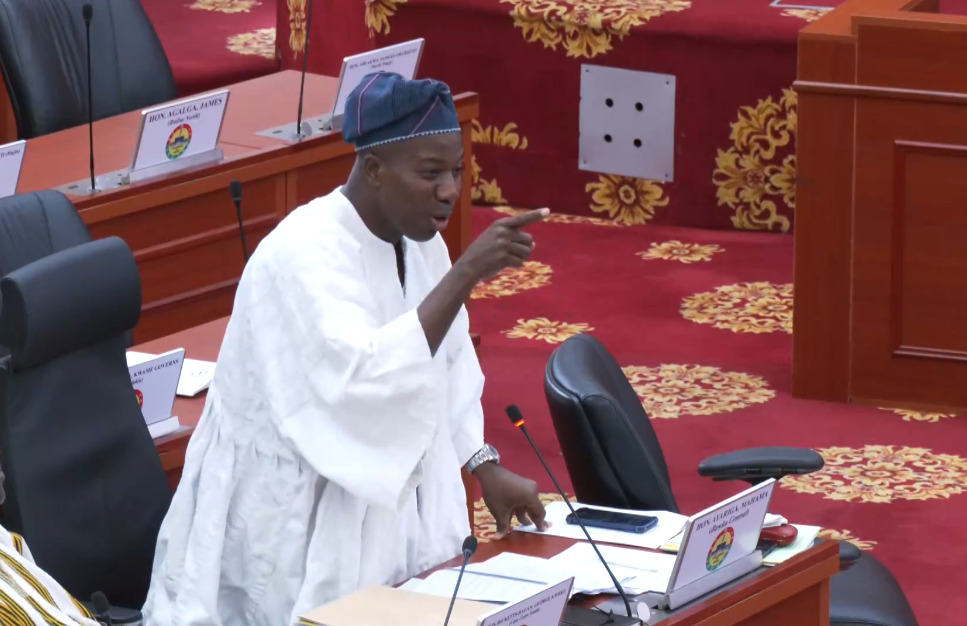
- Samuel Awuku, Member of Parliament for Akuapem North, had criticised the Authority's release of the vessel from Ghanaian waters last year and intends to formally question them over the matter.
- The Authority insists it acted within the law and no longer had jurisdiction over the vessel at the time of the Senegal incident, citing that the vessel was not registered in Ghana at the time.
- The case is expected to be examined by the relevant parliamentary committee, where the Authority has reiterated its willingness to provide evidence and address the concerns raised by Mr Awuku.
The Ghana Maritime Authority's handling of the MV Sankofa vessel has come under scrutiny following criticism from Samuel Awuku, Member of Parliament for Akuapem North. The vessel, which was intercepted in Ghana's territorial waters in July 2025, was later released in November 2025 after partial payment of fines and remedial technical work. However, it surfaced in Senegal in March 2026 amid suspicions of involvement in illicit drug trafficking, prompting Mr Awuku to question the Authority's decision to release the vessel.
The Authority has strongly defended its handling of the vessel, insisting that it acted within the law and no longer had jurisdiction over the vessel at the time of the Senegal incident. According to officials, the vessel was not registered in Ghana at the time, having been formally removed from the Ghana Ship Registry in April 2024 after its owners completed the deregistration process. The Authority has also clarified that a separate vessel previously bearing the same name had been deregistered in 2021, stressing that maritime regulations do not allow two vessels with identical names to appear on the national register at the same time.
Background: Maritime Regulations and Vessel Registration
The Ghana Maritime Authority's defence of its handling of the MV Sankofa vessel is rooted in its adherence to maritime regulations and the vessel's registration status. The Authority has emphasized that the vessel was not registered in Ghana at the time of the Senegal incident, having been removed from the Ghana Ship Registry in April 2024. This is in line with maritime regulations, which require vessels to be registered in a specific country in order to operate under its flag.
The registration of vessels is a critical aspect of maritime law, as it determines the jurisdiction and regulatory framework that applies to a vessel. In this case, the MV Sankofa vessel was operating under the Cameroon flag at the time of the Senegal incident, which means that it was subject to Cameroonian laws and regulations. The Ghana Maritime Authority has argued that it no longer had jurisdiction over the vessel, as it was not registered in Ghana and was operating under a different flag.
The incident highlights the complexities of maritime law and the challenges of regulating vessels that operate across multiple jurisdictions. The Ghana Maritime Authority's handling of the MV Sankofa vessel has sparked debate about the effectiveness of maritime regulations and the need for greater cooperation between countries to prevent illicit activities such as drug trafficking.
Impact: Implications for Ghana and the Maritime Industry
The MV Sankofa vessel incident has significant implications for Ghana and the maritime industry as a whole. The incident has raised concerns about the effectiveness of maritime regulations and the ability of authorities to prevent illicit activities such as drug trafficking. The Ghana Maritime Authority's handling of the vessel has also sparked debate about the country's role in regional and international efforts to combat maritime crime.
The incident has also highlighted the importance of cooperation between countries in the maritime sector. The Ghana Maritime Authority's confirmation that the vessel was not Ghanaian-registered and its decision to distance the country from its operations demonstrates the need for countries to work together to prevent illicit activities. The incident has also underscored the importance of information sharing and cooperation between law enforcement agencies in different countries.
The implications of the incident extend beyond the maritime sector, as it has also raised concerns about the potential impact on Ghana's economy and reputation. The country's reputation as a hub for maritime trade and commerce could be affected if it is perceived as being unable to effectively regulate its maritime sector. The incident has also sparked debate about the need for greater investment in the country's maritime infrastructure and the development of more effective regulatory frameworks.
Expert Angle: Analysts Weigh In on the Incident
Analysts have weighed in on the MV Sankofa vessel incident, with some arguing that the Ghana Maritime Authority's handling of the vessel was appropriate given the circumstances. Others have criticized the Authority's decision to release the vessel, arguing that it should have taken a more proactive approach to preventing the vessel from being used for illicit activities.
According to some experts, the incident highlights the need for more effective regulation of the maritime sector in Ghana. They argue that the country's maritime regulations are inadequate and that there is a need for greater investment in the country's maritime infrastructure. Others have argued that the incident demonstrates the importance of international cooperation in combating maritime crime and the need for countries to work together to prevent illicit activities.
The incident has also sparked debate among experts about the role of parliament in overseeing the maritime sector. Some have argued that the parliament's oversight role is critical in ensuring that the maritime sector is effectively regulated and that the country's interests are protected. Others have argued that the parliament's role should be limited to providing guidance and oversight, rather than interfering in the day-to-day operations of the maritime sector.
Local Relevance: Implications for Ghanaian Youth and Campus Life
The MV Sankofa vessel incident has significant implications for Ghanaian youth and campus life. The incident has raised concerns about the potential impact on the country's economy and reputation, which could have far-reaching consequences for young people. The incident has also sparked debate about the need for greater investment in the country's maritime infrastructure and the development of more effective regulatory frameworks, which could create opportunities for young people in the maritime sector.
The incident has also highlighted the importance of education and awareness about maritime issues and the role that young people can play in promoting sustainable maritime practices. The Ghana Maritime Authority's handling of the vessel has demonstrated the need for greater transparency and accountability in the maritime sector, which could inspire young people to become more involved in maritime issues.
The incident has also underscored the importance of international cooperation and the need for countries to work together to prevent illicit activities. This could create opportunities for young people to engage in international cooperation and diplomacy, promoting Ghana's interests and reputation on the global stage.
What This Means for Ghanaians
The MV Sankofa vessel incident has significant implications for Ghanaians, highlighting the need for greater transparency and accountability in the maritime sector. The incident has raised concerns about the potential impact on the country's economy and reputation, which could have far-reaching consequences for citizens. The incident has also sparked debate about the need for greater investment in the country's maritime infrastructure and the development of more effective regulatory frameworks.
The incident has also underscored the importance of international cooperation and the need for countries to work together to prevent illicit activities. This could create opportunities for Ghanaians to engage in international cooperation and diplomacy, promoting the country's interests and reputation on the global stage.
The Ghana Maritime Authority's handling of the vessel has demonstrated the need for greater transparency and accountability in the maritime sector. The incident has highlighted the importance of education and awareness about maritime issues and the role that citizens can play in promoting sustainable maritime practices. The incident has also sparked debate about the role of parliament in overseeing the maritime sector and the need for more effective regulation of the sector.
What to Watch Next
The MV Sankofa vessel incident is expected to be examined by the relevant parliamentary committee, where the Ghana Maritime Authority has reiterated its willingness to provide evidence and address the concerns raised by Mr Awuku. The incident has sparked debate about the need for greater transparency and accountability in the maritime sector, and it is likely that there will be increased scrutiny of the sector in the coming months.
The incident has also highlighted the importance of international cooperation and the need for countries to work together to prevent illicit activities. It is likely that there will be increased cooperation between Ghana and other countries in the region to prevent maritime crime and promote sustainable maritime practices.
The Ghana Maritime Authority's handling of the vessel has demonstrated the need for greater investment in the country's maritime infrastructure and the development of more effective regulatory frameworks. It is likely that there will be increased investment in the sector, creating opportunities for growth and development.
In conclusion, the MV Sankofa vessel incident has significant implications for Ghana and the maritime industry as a whole. The incident has raised concerns about the effectiveness of maritime regulations and the ability of authorities to prevent illicit activities. The Ghana Maritime Authority's handling of the vessel has sparked debate about the need for greater transparency and accountability in the maritime sector, and it is likely that there will be increased scrutiny of the sector in the coming months.



0 Comments
Leave a Comment
No comments yet. Be the first to share your thoughts!