
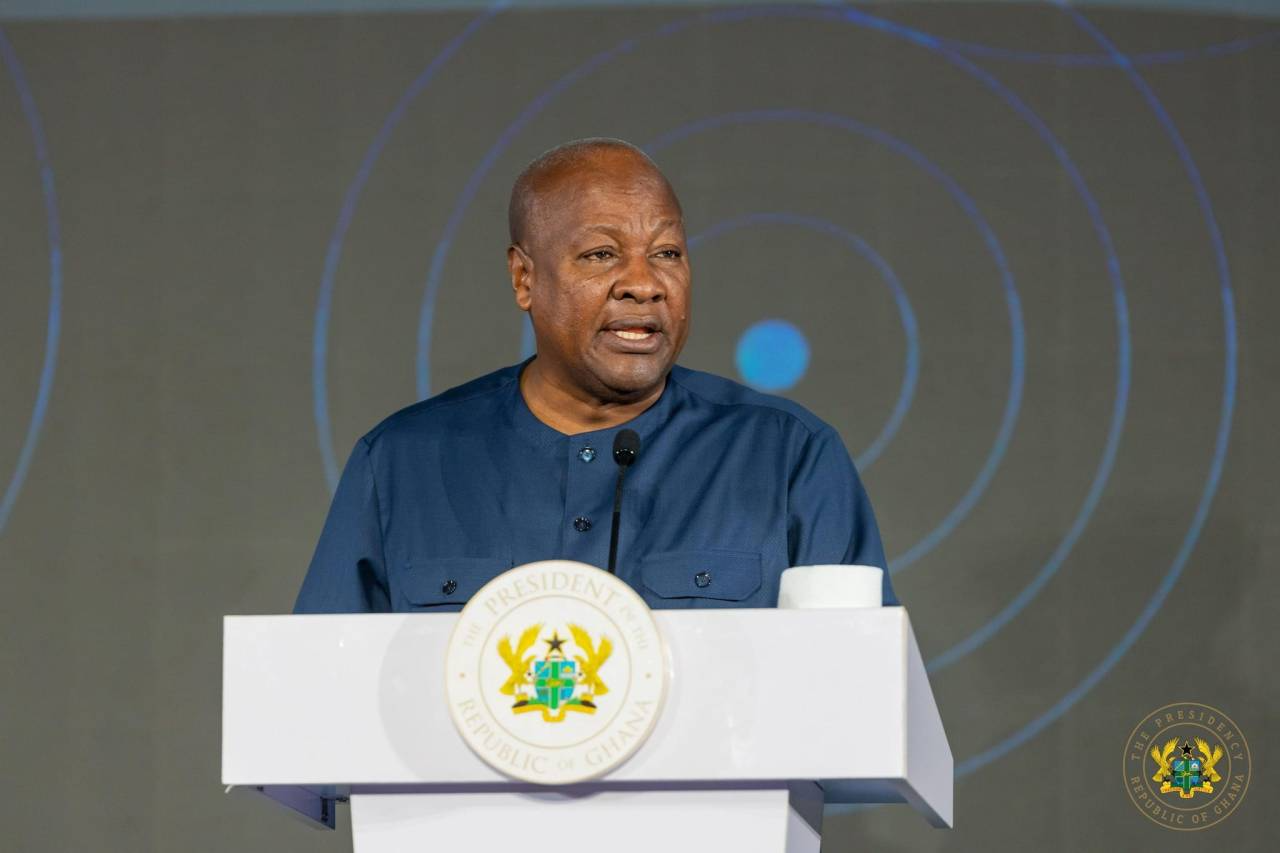
- Ghana's President John Dramani Mahama has announced plans to strengthen the asset declaration system to deepen transparency and accountability in public office.
- The revised framework will be submitted to Parliament for approval to make asset declarations more effective and enforceable.
- The new regime aims to ensure that declarations by public officials are not merely procedural, but a meaningful tool in the fight against corruption.
- The Public Officers Code of Conduct Bill is expected to be passed by Parliament to set clear standards for public officials' conduct and provide guidelines on conflicts of interest.
Ghana's President John Dramani Mahama has reiterated the government's commitment to the fight against corruption, emphasizing the need for public officials to be accountable to the people. As part of this effort, the President announced plans to strengthen Ghana's asset declaration system, which is expected to be revised and submitted to Parliament for approval.
The asset declaration system has been a cornerstone of Ghana's anti-corruption efforts, requiring public officials to declare their assets before taking office. However, concerns have been raised about the effectiveness of the current system, with some critics arguing that it has become mere procedural exercise rather than a meaningful tool in the fight against corruption.
Revised Framework to Enhance Transparency
President Mahama emphasized that the revised framework is designed to ensure that declarations by public officials are not merely procedural, but a meaningful tool in the fight against corruption. The new regime will require public officials to declare their assets in a more detailed and transparent manner, making it easier for the public to track their financial transactions and identify potential conflicts of interest.
The revised framework will also include measures to prevent public officials from hiding their assets or using complex financial schemes to evade disclosure. This will help to build trust in the system and ensure that public officials are held accountable for their actions.
Public Officers Code of Conduct Bill
The President also announced that the Public Officers Code of Conduct Bill is expected to be passed by Parliament at its next session. The bill will set clear standards for the conduct of public officials, including guidelines on conflicts of interest and the disclosure of financial interests.
The code of conduct will provide a framework for public officials to navigate complex situations and avoid conflicts of interest. It will also help to prevent public officials from using their positions for personal gain or to further their own interests.
Judicial Reforms
President Mahama expressed appreciation for the ongoing reforms aimed at improving justice delivery, particularly the establishment of additional High Courts by the Chief Justice to reduce case backlog and improve access to justice.
The establishment of additional High Courts is a significant step towards improving access to justice and reducing the backlog of cases. It will also help to ensure that justice is delivered in a timely and efficient manner, reducing the burden on the judiciary and improving public trust in the system.
Looking Ahead
The revised asset declaration system and the Public Officers Code of Conduct Bill are significant steps towards strengthening institutions and improving public sector accountability in Ghana. The government's commitment to transparency and accountability is a welcome development and will help to build trust in the system.
The implementation of these reforms will require close monitoring and oversight to ensure that they are effective and make a meaningful impact on the fight against corruption. It will also require the cooperation and commitment of all stakeholders, including public officials, civil society organizations, and the media.




0 Comments
Leave a Comment
No comments yet. Be the first to share your thoughts!