
Key Takeaways
- Scientists from six continents unite behind a common message, urging governments to recognize wildlife protection as a key part of tackling climate change.
- A group of 287 experts endorse the Scientific Consensus on Wildlife and Climate, calling for explicit incorporation of wildlife and their ecological roles into climate policies.
- Restoring wild animal populations and their ecological functions could increase carbon dioxide uptake by an additional 6.41 gigatons annually.
For the first time, hundreds of scientists from around the world have come together to emphasize the crucial role of protecting wild animals in tackling climate change. A group of 287 experts from six continents has endorsed the Scientific Consensus on Wildlife and Climate, calling on governments to explicitly incorporate wildlife and their ecological roles into climate policies and frameworks.
The initiative marks a significant milestone in the scientific community's efforts to raise awareness about the importance of wildlife conservation in addressing climate change. The consensus was announced during a press conference at the SB64 – the 64th Sessions of the UNFCCC Subsidiary Bodies.
Background & Context
Climate change is one of the most pressing issues of our time, with far-reaching consequences for ecosystems and human societies. While the focus has often been on reducing greenhouse gas emissions and transitioning to renewable energy sources, the role of wildlife in mitigating climate change has been largely overlooked. However, recent studies have highlighted the critical contributions that wild animals make to maintaining healthy ecosystems and regulating the climate.
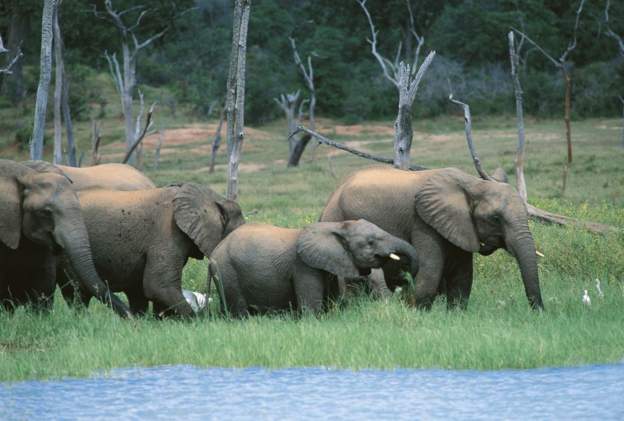
For example, forest elephants play a crucial role in dispersing the seeds of carbon-dense trees, while grazing bison encourage plant growth and nutrient recycling. Similarly, marine species help store carbon in the ocean, and fish transport carbon to the deep sea. These examples demonstrate the critical importance of preserving wildlife populations and their ecological functions in addressing climate change.
The scientific consensus on wildlife and climate change is built on a growing body of evidence that demonstrates the critical role of animals in maintaining healthy ecosystems and regulating the climate. A 2023 paper published in Nature Climate Change estimated that restoring wild animal populations and their ecological functions could increase carbon dioxide uptake by an additional 6.41 gigatons annually.
Why This Matters
The Scientific Consensus on Wildlife and Climate has significant implications for climate policy and conservation efforts. By recognizing the crucial role of wildlife in mitigating climate change, governments can develop more effective strategies for addressing both climate change and biodiversity loss. This, in turn, can help ensure the long-term health and resilience of ecosystems, as well as the well-being of human societies.
The consensus also highlights the need for greater recognition of wildlife conservation within the UN climate process. While the role of animals in climate action has been recognized in processes under the Convention on Biological Diversity, the Convention on the Conservation of Migratory Species of Wild Animals, and the International Union for Conservation of Nature, greater recognition within the UN climate process remains necessary.
Looking Ahead
The Scientific Consensus on Wildlife and Climate marks an important milestone in the scientific community's efforts to raise awareness about the importance of wildlife conservation in addressing climate change. As governments and policymakers consider the consensus, they must recognize the critical role of wildlife in maintaining healthy ecosystems and regulating the climate.
By incorporating wildlife and their ecological roles into climate policies and frameworks, governments can develop more effective strategies for addressing both climate change and biodiversity loss. This, in turn, can help ensure the long-term health and resilience of ecosystems, as well as the well-being of human societies.
Image Source: https://www.myjoyonline.com/wp-content/uploads/2022/05/e0029406-c676-4163-b8da-6472bc9bd6ef.jpg






0 Comments
Leave a Comment
No comments yet. Be the first to share your thoughts!