
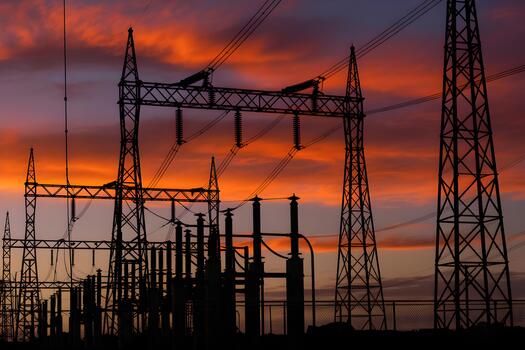
- Electricity supply reliability is no longer solely dependent on generation capacity.
- Ghana's power system faces threats from cyber, physical, and operational vulnerabilities.
- The Energy Commission projects a 2024 system peak demand of 3,788 MW, with installed grid capacity of 5,194 MW.
Ghana's electricity sector has made significant strides in recent years, but the country's power system remains vulnerable to various threats. A resilient power system is crucial for ensuring reliable electricity supply, and the sector's security must be understood broadly, encompassing cybersecurity, physical security, operational security, fuel security, grid automation, emergency preparedness, financial sustainability, and institutional coordination.
The modern electricity industry is characterized by digitalization, interconnectedness, and data-driven operations, making it increasingly exposed to cyber and physical threats. The World Bank has noted that cybersecurity and cyber resilience are vital components of reliable electricity delivery, and that the convergence of operational technology and information technology has expanded the attack surface of electricity networks.
Critical System Architecture
The system architecture of Ghana's power grid is critical to its reliability. The Energy Commission's data shows that the country's dependable capacity is about 4,756 MW, but available capacity can fall when planned maintenance and fuel supply constraints are considered. This highlights the need for a comprehensive approach to power system security, beyond mere generation capacity.
A resilient power system must be able to anticipate threats, absorb shocks, isolate faults, recover quickly, and continue serving customers under stress. This requires a coordinated effort from various stakeholders, including cybersecurity professionals, data scientists, telecom engineers, emergency planners, national security institutions, regulators, financiers, and policymakers.
Threats to Power System Security
Power system protection can no longer be limited to engineers, substations, and circuit breakers. Modern power systems are vulnerable to various threats, including technical faults, transformer failures, fuel shortages, cyber intrusions, vandalism, flooding, fires, equipment theft, poor vegetation management, weak protection settings, financial distress, delayed maintenance, or poor communication between agencies.
A resilient system treats all these risks as part of one integrated national electricity security framework. Governments often respond to electricity insecurity by focusing mainly on new generation, but this is not sufficient. Generation investment is important, but it is not enough to guarantee reliable electricity supply if the transmission grid, distribution networks, control centres, and utilities do not operate effectively.
Investing in Power System Security
Government must therefore invest in technologies that protect the entire electricity value chain: generation, transmission, distribution, fuel supply, metering, communication systems, control centres, customer interfaces, and emergency recovery systems.
The Energy Commission's reliability data show improvements in Ghana's electricity distribution reliability indices between 2018 and 2023, but also indicate that ECG and NEDCo did not meet the SAIFI benchmark in any operational area, meaning outages remained too frequent despite progress. This finding reinforces the case for a broader secure, intelligent, flexible, and resilient power system strategy.
Looking Ahead
The future of Ghana's power system security depends on the implementation of a comprehensive strategy that addresses the various threats and vulnerabilities. This requires a coordinated effort from government, utilities, regulators, and other stakeholders. By investing in power system security, Ghana can ensure a reliable and sustainable electricity supply for its citizens and businesses.




0 Comments
Leave a Comment
No comments yet. Be the first to share your thoughts!