
Key Takeaways
- NADMO assesses that encroachment on wetlands and blockage of stream channels contributed to recent KNUST flood.
- Deputy Ashanti Regional Director of NADMO, Mr. Charles Oppong, attributes flooding to a combination of natural river flooding and human activities.
- Flood risk expert, Prof. Divine Ahadzie, emphasizes the importance of preserving natural flood storage areas to reduce disaster risks.
- KNUST management, Ashanti Regional Coordinating Council, and NADMO are collaborating on dredging operations to restore the river's carrying capacity.
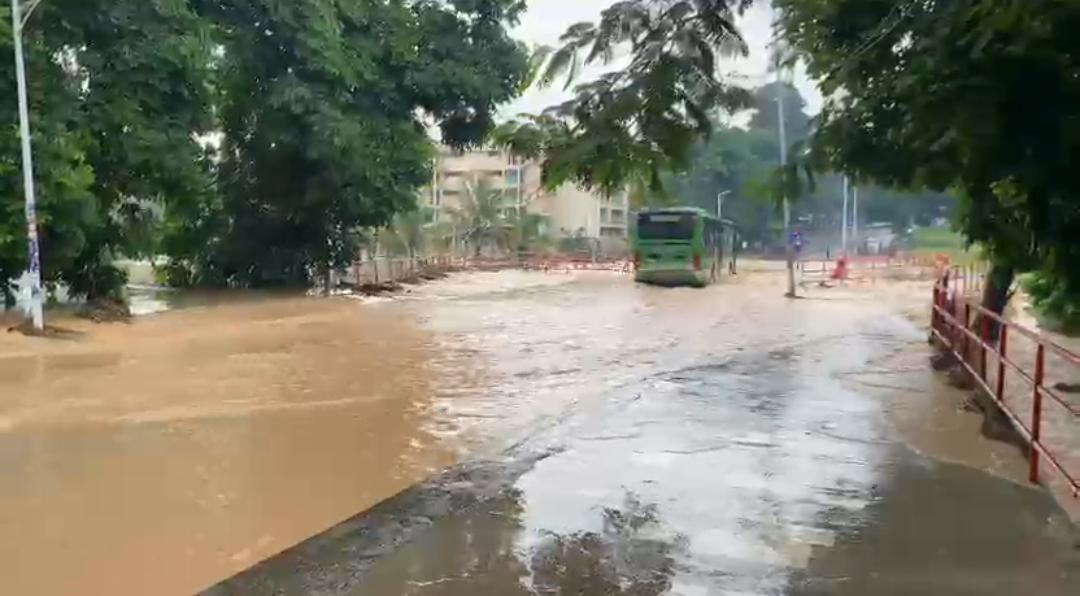
The recent overflow of the Wewe River at the Kwame Nkrumah University of Science and Technology (KNUST) in Kumasi has left a trail of destruction and raised concerns about the impact of human activities on natural waterways. Preliminary assessments by the National Disaster Management Organisation (NADMO) point to a combination of natural river flooding and human activities that have restricted the river's ability to discharge excess water.
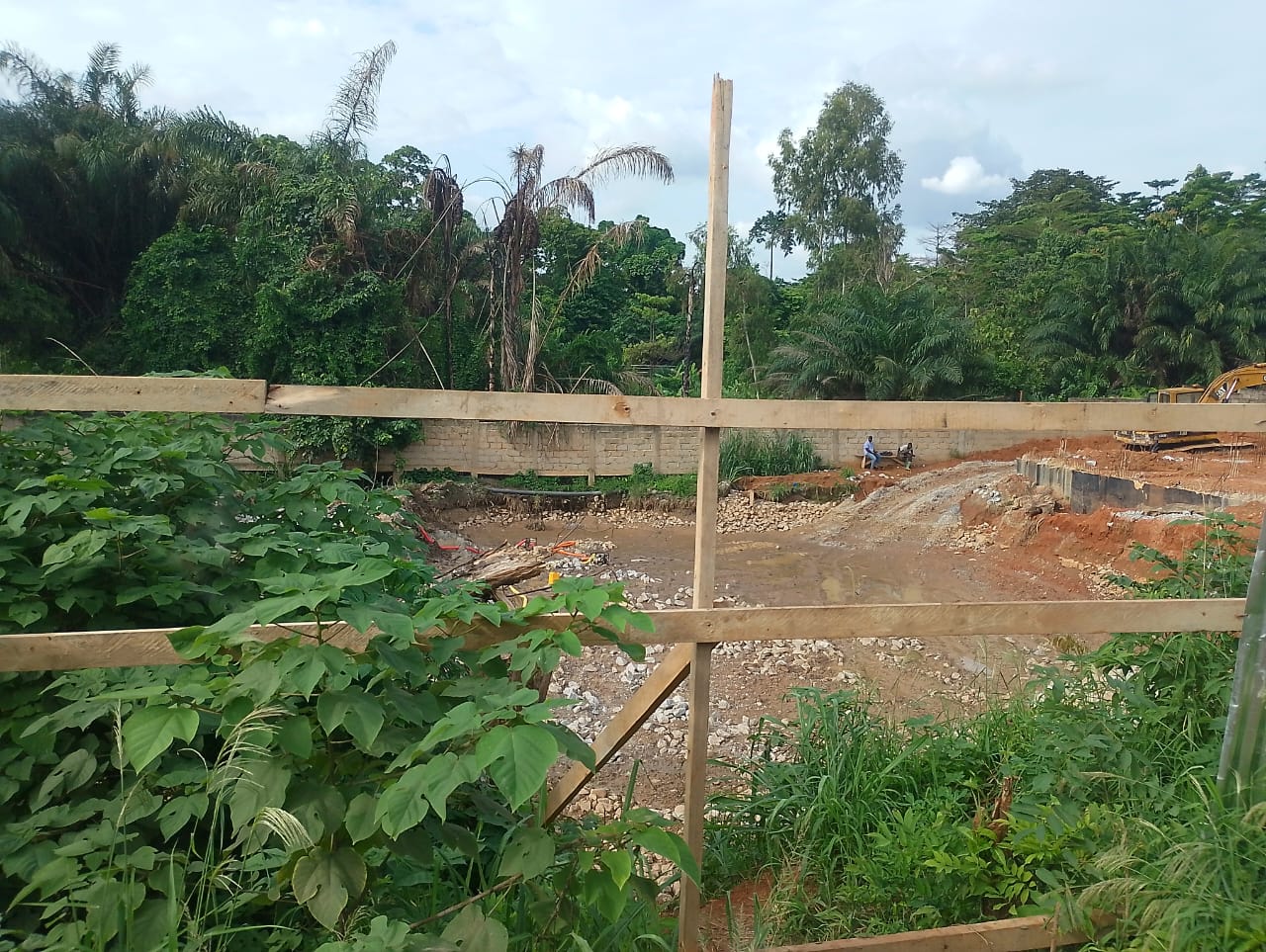
According to Deputy Ashanti Regional Director of NADMO, Mr. Charles Oppong, encroachment on wetlands behind the university's boundary wall has significantly contributed to the flooding. Portions of the wetland reserves have been filled, and a natural stream channel has been obstructed, interfering with the natural movement of water and increasing the risk of flooding during periods of intense rainfall.
Background & Context
Wetlands play a vital role in flood control by storing and gradually releasing excess water during heavy storms. However, the increasing encroachment on these areas has led to a reduction in their natural buffer systems. This has resulted in a higher risk of flooding, particularly in urban areas where development has led to the conversion of wetlands into residential and commercial spaces.
The KNUST floodplain, which was preserved for this exact purpose, has largely performed its role as a natural flood storage area. Flood risk expert and KNUST lecturer, Prof. Divine Ahadzie, notes that the open area where floodwaters spread has been intentionally left undeveloped since the university's establishment over seven decades ago.
Why This Matters
The recent flooding at KNUST serves as a stark reminder of the importance of preserving natural flood storage areas. As rapidly growing cities continue to expand, the conversion of wetlands and floodplains into residential and commercial developments poses a significant threat to disaster risk reduction. The KNUST floodplain offers a practical example of how preserving natural flood storage areas can reduce disaster risks while protecting nearby communities.
The incident also highlights the consequences of encroaching on wetlands and natural waterways that have historically served as drainage corridors. As Prof. Ahadzie emphasizes, 'the lesson from this incident is that floodplains and wetlands are left for a purpose. When we build on them or block natural streams, we create problems for ourselves because water will always find a way.'
Looking Ahead
The ongoing dredging operations, a collaboration between KNUST management, the Ashanti Regional Coordinating Council, and NADMO, aim to restore the river's carrying capacity and improve water flow during future rainfall events. While the immediate threat has been contained, the long-term benefits of preserving natural flood storage areas remain a pressing concern for urban planners and local authorities across Ghana.
Image Source: https://www.myjoyonline.com/wp-content/uploads/2026/06/WhatsApp-Image-2026-05-28-at-11.02.28-AM.jpeg




0 Comments
Leave a Comment
No comments yet. Be the first to share your thoughts!