
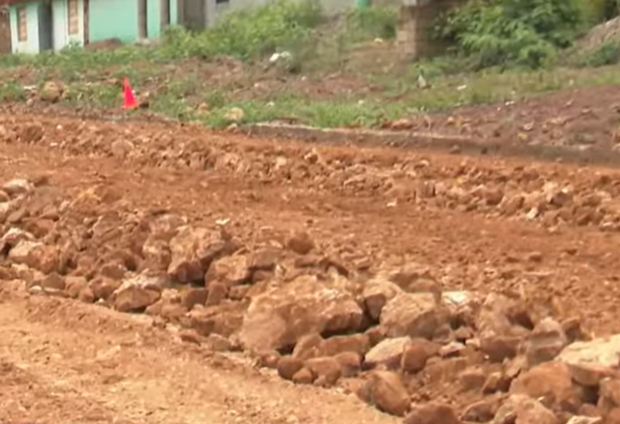
The community of Old Ashongman, situated within the dynamic Greater Accra region, faces a persistent and escalating challenge: the severe deterioration of its primary arterial road. This vital thoroughfare, which residents describe as a significant burden, has become a focal point of their grievances, particularly in light of their consistent contributions through property rates. The impassable state of the road, exacerbated during periods of rainfall, underscores a critical gap in urban infrastructure provision and maintenance.
For the residents of Old Ashongman, the dilapidated road is not merely an inconvenience but a profound impediment to daily life. Commuting has transformed into a strenuous ordeal, with potholes deepening and transforming into waterlogged craters during the rainy season, rendering significant stretches virtually impassable. Vehicle owners bear the brunt of this neglect, frequently incurring costs for spare parts and repairs due to the constant stress on their automobiles. One long-term resident, who has lived in the area for 16 years, attested that the situation has progressively worsened, reaching critical levels during heavy downpours when the road becomes entirely submerged and unusable.
The ripple effects of this infrastructure deficit extend far beyond individual inconvenience. Local businesses often face reduced patronage as commuters avoid the arduous route, impacting the local economy. Emergency service vehicles, including ambulances and fire tenders, navigate the treacherous terrain with difficulty, potentially delaying critical response times and endangering lives. The compromised accessibility not only stifles economic activity but also diminishes the overall quality of life, hindering social interactions and community cohesion. For a rapidly urbanizing area like Old Ashongman, reliable infrastructure is a foundational pillar for sustained socio-economic growth and community well-being.
Key Highlights
- Residents of Old Ashongman are demanding the immediate reconstruction of their main road, which is in a severe state of disrepair.
- Despite consistently paying property rates ranging from GHS 200 to GHS 300, residents report significant daily challenges and vehicular damage.
- A Member of Parliament has pledged to address the road issue within 18 months, with residents allowing a 24-month window for completion.
- The community emphasizes the road's strategic importance, its role in easing traffic, and the critical need for proper drainage to prevent further flooding and ensure safety.
Historical Context of Infrastructure Development in Ghana
Ghana's journey towards comprehensive infrastructure development has been marked by both significant progress and persistent challenges. Historically, road networks have been crucial for connecting agricultural centers to markets, facilitating trade, and supporting national integration. However, rapid urbanization, inadequate maintenance budgets, and sometimes, issues with procurement and contractor oversight have often led to the premature degradation of roads across the country. Successive governments have initiated various road projects, yet many communities, much like Old Ashongman, continue to grapple with fundamental issues of road quality and durability. The cycle of construction, deterioration, and calls for reconstruction remains a familiar narrative in many Ghanaian urban and peri-urban areas.
Local Governance and Accountability
The administration of local infrastructure primarily falls under the purview of Metropolitan, Municipal, and District Assemblies (MMDAs). Residents of Old Ashongman have consistently paid property rates, financial contributions intended to fund local services, including infrastructure maintenance and development. This payment establishes an implicit social contract between the citizens and the local authority, in this case, likely the Ga North Municipal Assembly. When residents observe a lack of commensurate service delivery, particularly regarding vital infrastructure like roads, it naturally erodes public trust and fuels demands for greater accountability. Repeated appeals to local assembly members, as reported by the community, often highlight a perceived disconnect between local governance structures and the immediate needs of constituents.
Political Promises and Public Trust
The recent visit by the local Member of Parliament (MP) and the subsequent promise to address the road within 18 months has introduced a renewed, albeit cautious, sense of hope among residents. Such pledges are a common feature of the political landscape, particularly as elections approach or public pressure mounts. However, the history of unfulfilled political promises in Ghana often fosters a degree of skepticism. While a sod-cutting ceremony, as mentioned by a resident, can be a symbolic gesture of commitment, the community's decision to extend the completion deadline to 24 months, coupled with a warning of “further action,” underscores this cautious approach. This conditional acceptance reflects a community that has learned to temper optimism with a demand for tangible, timely results, understanding that actions speak louder than words.
Engineering and Drainage Challenges
A crucial aspect of durable road construction, particularly in the Greater Accra Region, is effective drainage. The topography of many parts of Accra, combined with increased impervious surfaces due from rapid development, makes the area susceptible to flooding. Residents' insistence on “quality work” with “bigger gutters” is not merely a preference but an engineering imperative. Inadequate drainage systems lead to water pooling on road surfaces, accelerating pavement damage through erosion and sub-base weakening. Proper engineering, encompassing robust design, quality materials, and meticulous construction of drainage infrastructure, is essential to ensure the longevity and resilience of the Old Ashongman road, mitigating the risk of recurrent flooding and preserving the investment.
Citizenship and Advocacy
The collective voice of the Old Ashongman residents, amplified through their engagement with media outlets and local authorities, exemplifies active citizenship. Their persistent advocacy, from initial appeals to the assembly member to escalating their concerns to higher political offices and issuing an ultimatum, demonstrates a proactive approach to demanding better governance and service delivery. This community mobilization serves as a powerful reminder that citizens are not merely recipients of services but active stakeholders in local development, holding their elected representatives and public servants accountable for their mandates. Their organised dissent underscores the democratic principle that public resources should serve public good effectively.
Broader Implications for Urban Planning
The plight of Old Ashongman is emblematic of broader urban planning challenges facing metropolitan areas in Ghana. Rapid population growth often outpaces the development and maintenance of essential infrastructure. Inadequate master planning, coupled with informal settlements and a lack of integrated development strategies, places immense pressure on existing resources. The demand for road reconstruction in Old Ashongman highlights the urgent need for MMDAs to adopt holistic urban planning approaches that prioritize resilient infrastructure, sustainable drainage solutions, and consistent maintenance regimes to ensure that development benefits all residents. It calls for foresight in anticipating future needs rather than merely reacting to present crises.
Conclusion
The situation in Old Ashongman serves as a stark reminder of the critical importance of responsive governance and sustainable infrastructure development. The deteriorating road continues to pose daily hardships, economic strain, and safety risks to its residents, who diligently contribute to local government through property rates. While the recent pledge from the Member of Parliament offers a glimmer of hope, the community's demand for quality work, proper drainage, and strict adherence to timelines underscores their call for genuine accountability. The onus now rests with the authorities to translate promises into tangible action, ensuring that the people of Old Ashongman receive the quality infrastructure they deserve and have paid for, thereby enhancing safety, easing movement, and fostering genuine community development.



0 Comments
Leave a Comment
No comments yet. Be the first to share your thoughts!