
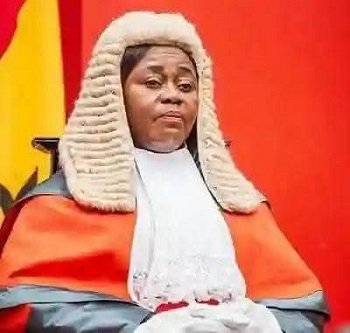
Key Takeaways
- Supreme Court has dismissed all four suits challenging Justice Gertrude Torkonoo's removal as Chief Justice.
- The court delivered its rulings earlier this morning, ending the legal challenge at the domestic level.
- ECOWAS Court also rejected applications seeking to overturn Justice Torkonoo's removal last week.
- The four cases filed at the Supreme Court argued against the processes that led to Justice Torkonoo's exit.
The Supreme Court of Ghana has brought an end to the legal challenge against the removal of Her Ladyship Justice Gertrude Torkonoo from office as Chief Justice. In a landmark decision delivered earlier this morning, the court dismissed all four suits challenging her removal.
This follows last week's judgement by the ECOWAS Court, which also rejected applications seeking to overturn Justice Torkonoo's removal. The four cases filed at the Supreme Court argued against the processes that led to Justice Torkonoo's exit, but the court found no legal basis to grant relief.
Background & Context
Justice Gertrude Torkonoo was removed from office as Chief Justice following proceedings initiated earlier this year. The move triggered multiple legal challenges, including four separate suits at the Supreme Court and petitions before the ECOWAS Court of Justice.
The removal of a head of the judiciary is a significant development in any country, and Ghana is no exception. The process leading to Justice Torkonoo's exit has been met with intense scrutiny, with many stakeholders keenly following the developments.
Under the 1992 Constitution of Ghana, the Chief Justice is appointed by the President on the advice of the Council of State. The removal of a Chief Justice can only be done through a process that involves impeachment by Parliament, which is a rare occurrence.
Why This Matters
The dismissal of all suits challenging Justice Torkonoo's removal has significant implications for the judiciary in Ghana. It reinforces the independence of the judiciary and underscores the importance of adhering to constitutional processes.
The ruling also highlights the critical role of the ECOWAS Court in regional judicial affairs. The court's decision to reject applications seeking to overturn Justice Torkonoo's removal has demonstrated its commitment to upholding regional judicial standards.
In the broader context, the removal of a head of the judiciary and the subsequent legal challenges have sparked important discussions about the role of the judiciary in a democratic society. The dismissal of all suits challenging Justice Torkonoo's removal is a significant step towards resolving the matter and allowing the judiciary to move forward.
Looking Ahead
The dismissal of all suits challenging Justice Torkonoo's removal brings an end to the legal challenge at the domestic level. However, it remains to be seen how the decision will impact the judiciary in the long term.
The Supreme Court's decision reinforces the importance of adhering to constitutional processes and underscores the independence of the judiciary. As the country moves forward, it is essential that the judiciary continues to uphold the highest standards of integrity and impartiality.
Image Source: https://ghanaiantimes.com.gh/wp-content/uploads/2026/07/WhatsApp-Image-2026-07-02-at-16.52.31-1.jpeg



0 Comments
Leave a Comment
No comments yet. Be the first to share your thoughts!