
Key Takeaways
- The University of Education, Winneba (UEW) students launched a public education campaign to promote proper handwashing practices as part of World Food Safety Day 2026.
- The campaign focused on encouraging students to wash their hands with soap before eating, before handling food, and after using the toilet.
- Participants reported improved understanding of proper handwashing techniques and expressed their willingness to adopt the practice consistently.
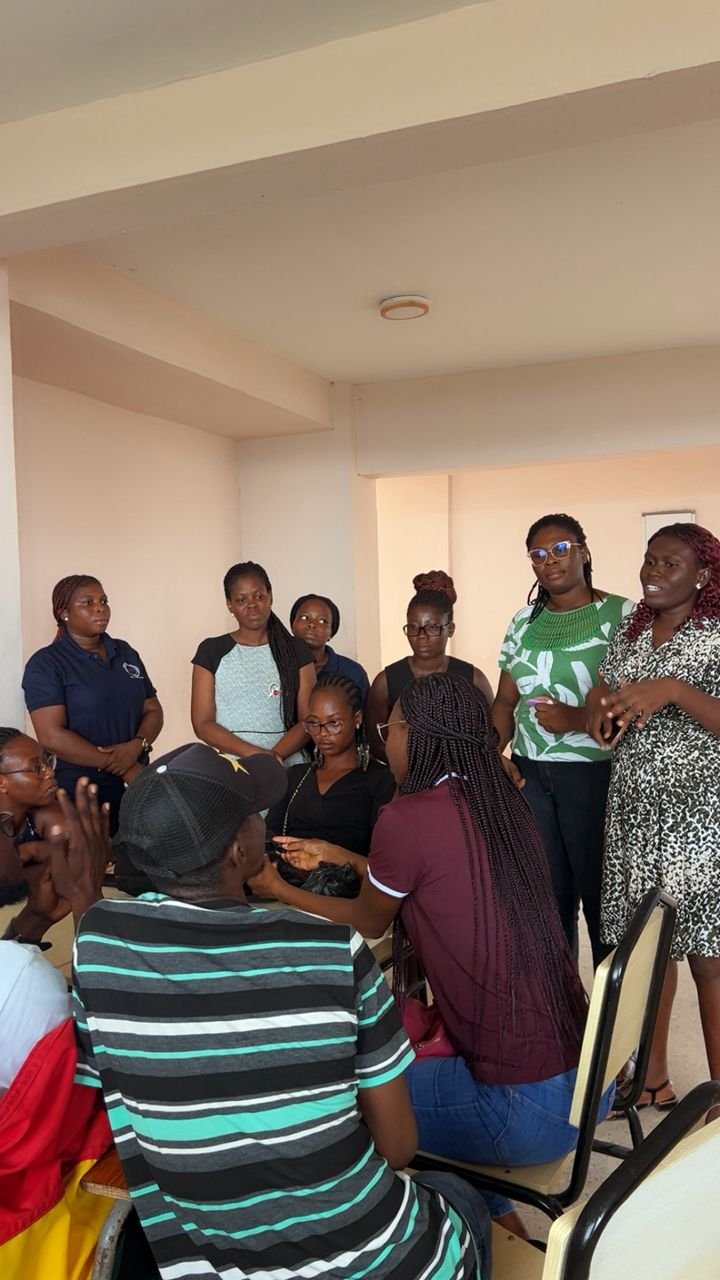
The students of the Department of Integrated Home Economics at the University of Education, Winneba (UEW) embarked on a campus-wide public education campaign to promote proper handwashing practices as part of activities marking World Food Safety Day 2026.
Observed annually, World Food Safety Day raises awareness about the importance of safe food practices and encourages collective action to prevent, detect and manage food safety risks. The day serves as a reminder that food safety is a shared responsibility requiring the commitment of governments, institutions, businesses, food handlers and consumers alike.
Background & Context
Food safety is a critical concern in Ghana, particularly in educational institutions where students often engage in food handling and preparation. According to the World Health Organization (WHO), foodborne illnesses are a leading cause of morbidity and mortality worldwide, with Africa being one of the most affected regions.
In Ghana, food safety is regulated by the Food and Drugs Authority (FDA), which enforces standards and regulations to ensure the safety of food products. However, food safety education and awareness remain a challenge, particularly among students and young people.
Beyond the Classroom
Under the theme “Promoting Proper Hand Washing Practices to Improve Food Safety Among Students,” the UEW students took the campaign beyond the classroom by visiting halls of residence, lecture halls, study groups, and food vending areas to educate students through one-on-one interactions, practical demonstrations, and group discussions.
The campaign emphasized the importance of handwashing in preventing food contamination and promoting food safety. Participants were also educated on the appropriate use of alcohol-based hand sanitizers whenever soap and water were not readily available.
Interactive Educational Approaches
To make the campaign engaging, the students adopted interactive educational approaches instead of conventional lectures.
According to Ms Gabiso, the team used practical demonstrations, discussions, question-and-answer sessions, posters, flyers, and visual aids to encourage active participation.
“We wanted the campaign to be practical and interactive. Instead of long talks, we demonstrated proper handwashing techniques and encouraged students to practise the seven steps of handwashing themselves. Making the sessions participatory helped students understand and remember the key messages,” she explained.
Looking Ahead
The students encouraged students to become food safety ambassadors by promoting proper handwashing among their peers.
Ms Gabiso said sustaining the gains made during the campaign remains a priority. “We want this to become a lasting habit rather than a one-day campaign. We also hope similar awareness campaigns will be organised regularly to reinforce safe food handling practices across the university community,” she said.
Image Source: https://ghcampus.com/wp-content/uploads/2026/06/UEW-students.jpeg



0 Comments
Leave a Comment
No comments yet. Be the first to share your thoughts!