April 08, 2026 10:53 AM
News Breaking

GBA Criticises Passage of Legal Education Bill, 2025, Over Exclusion from Consultation Process

Samuel

Apr 02, 2026 at 07:07 AM Updated: Apr 02, 2026 at 07:07 AM
GBA Criticises Passage of Legal Education Bill, 2025, Over Exclusion from Consultation Process
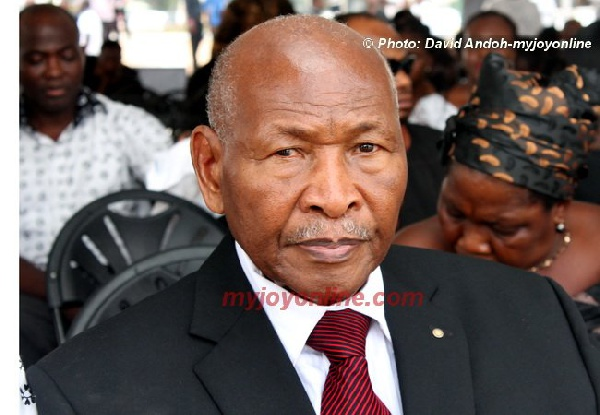
  • Former President of the Ghana Bar Association (GBA), Sam Okudzeto, has criticized the passage of the Legal Education Bill, 2025, citing the exclusion of the GBA from the consultation process.
  • The bill, which ends the Ghana School of Law's monopoly on legal education, was passed by Parliament last week and is now awaiting presidential assent.
  • Okudzeto argued that the GBA, as the professional body representing lawyers across the country, should have been consulted before such a major decision.
  • The GBA's structure reflects nationwide representation, making its input critical in reforms of this scale.
The passage of the Legal Education Bill, 2025, has sent shockwaves through the Ghanaian legal community, with many questioning the decision-making process behind the bill. At the center of the controversy is the exclusion of the Ghana Bar Association (GBA) from the consultation process, a move that has been criticized by former President of the GBA, Sam Okudzeto. Speaking on Joy News' PM Express, Okudzeto expressed his disappointment over the sidelining of the GBA, saying it raises serious concerns about the decision-making process. According to him, the GBA, as the professional body representing lawyers across the country, should have been consulted before such a major decision.

Background on the Legal Education Bill, 2025

The Legal Education Bill, 2025, marks a significant shift in Ghana's legal education system by ending the Ghana School of Law's monopoly on legal education. The bill also establishes a Council for Legal Education and Training to regulate the system and standardize curricula nationwide. However, the passage of the bill has been marred by controversy, with many questioning the exclusion of the GBA from the consultation process.

The Role of the Ghana Bar Association in Legal Reforms

Okudzeto argued that the GBA's structure reflects nationwide representation, making its input critical in reforms of this scale. The GBA has a council composed of regional presidents and a secretary from each of the regions, all of whom are members of the council. This structure, according to Okudzeto, makes the GBA a body that is not limited to Accra or Kumasi, but rather represents the interests of lawyers across the country. Despite efforts to engage Parliament, Okudzeto said the opportunity never materialized. He expressed disappointment over the failure to consult the GBA, saying it raises serious concerns about the decision-making process. Okudzeto stressed that professional bodies must be central to decisions affecting their fields.

The Future of Legal Education in Ghana

The passage of the Legal Education Bill, 2025, has significant implications for the future of legal education in Ghana. The bill's provisions, including the establishment of a Council for Legal Education and Training, are aimed at regulating the system and standardizing curricula nationwide. However, the controversy surrounding the exclusion of the GBA from the consultation process raises serious concerns about the decision-making process. Looking Ahead The controversy surrounding the passage of the Legal Education Bill, 2025, highlights the need for greater transparency and inclusivity in decision-making processes affecting the legal profession. As Ghana continues to navigate the complexities of legal reforms, it is essential that professional bodies like the GBA are involved in the decision-making process. Only through such collaboration can we ensure that reforms are tailored to the needs of the profession and the country as a whole. In conclusion, the passage of the Legal Education Bill, 2025, marks a significant shift in Ghana's legal education system. However, the controversy surrounding the exclusion of the GBA from the consultation process raises serious concerns about the decision-making process. As Ghana looks to the future, it is essential that we learn from the lessons of the past and prioritize transparency and inclusivity in decision-making processes affecting the legal profession.
Share Article