
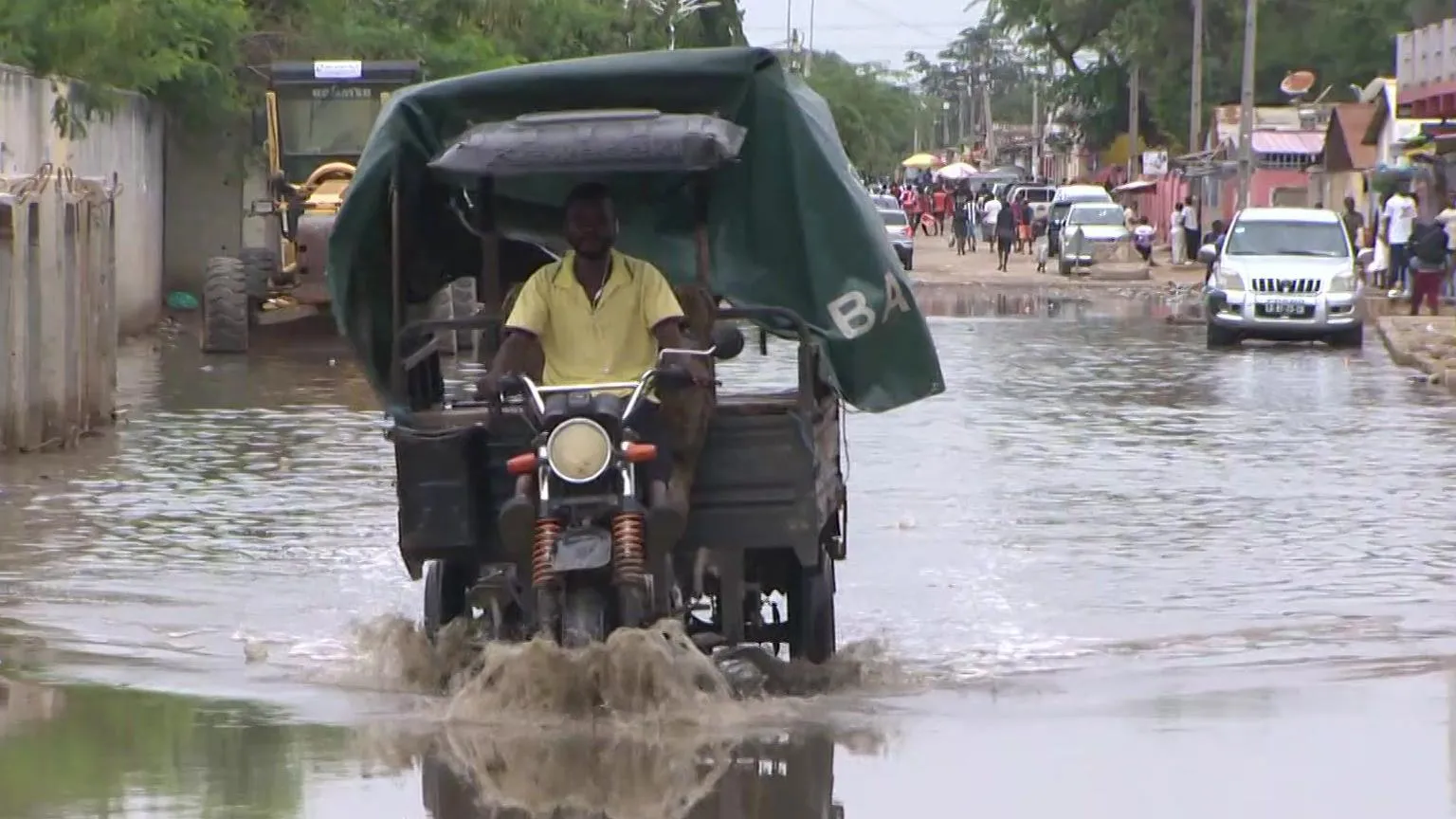
- Catastrophic floods in Angola claim at least 33 lives and displace thousands.
- Precipitous rains have ravaged the country's capital, Luanda, and central city, Benguela.
- Africa's southern nations are no strangers to flooding, but Angola's recent deluge threatens lives and livelihoods.
- The Ghanaian community must stand in solidarity with Angola as they navigate this dire situation.
Floods have ravaged the Angolan capital, Luanda, and other parts of the country, claiming at least 33 lives and displacing thousands of people. President João Lourenço has mourned the deaths, saying the country was in a 'race against the clock' to find, rescue, and offer medical care to those affected.
The torrential rains have not only destroyed homes and public infrastructure but have also caused widespread disruption, including the collapse of a bridge pillar on the Hâlo River, which has disrupted traffic between Benguela and Huambo provinces.
Background: Angola's Flooding History
Flooding is not a new phenomenon in Angola, particularly during the rainy season. In 2023, at least 30 people lost their lives, and over 116,000 people were affected across the country, with 15 out of 18 provinces experiencing severe flooding.
The southern African region, including Namibia and Zambia, is accustomed to experiencing heavy rainfall during this time of the year. However, the severity of the recent floods in Angola has raised concerns about the country's preparedness and infrastructure to handle such disasters.
Africa's Flooding Conundrum
The recent floods in Angola are a stark reminder of the vulnerabilities of African nations to climate-related disasters. As the continent continues to grapple with the impacts of climate change, it is essential for governments and international organizations to prioritize disaster preparedness and response measures.
The Angolan government's swift response to the crisis, including the deployment of emergency services and the mobilization of state agencies to assist the victims, is commendable. However, more needs to be done to address the root causes of such disasters and to ensure that affected communities receive adequate support and resources.
Ghana's Solidarity with Angola
The Ghanaian community must stand in solidarity with Angola as they navigate this dire situation. As fellow Africans, it is our duty to extend a helping hand and to offer support to those in need.
As Ghana continues to experience its own share of challenges, including flooding and other climate-related disasters, it is essential for us to learn from the experiences of other nations and to prioritize disaster preparedness and response measures.
What This Means
The recent floods in Angola serve as a wake-up call for African nations to prioritize disaster preparedness and response measures. It is essential for governments and international organizations to work together to address the root causes of such disasters and to ensure that affected communities receive adequate support and resources.
The Ghanaian community must stand in solidarity with Angola and other affected nations, recognizing that we are all connected and that our actions have consequences beyond our borders.
As we move forward, it is essential for us to prioritize disaster preparedness and response measures, to invest in climate-resilient infrastructure, and to support affected communities with adequate resources and assistance.
Only through collective action and solidarity can we hope to mitigate the impacts of climate-related disasters and to build a more resilient and sustainable future for all.
In the face of adversity, the Ghanaian community must stand tall, recognizing the strength and resilience of our African heritage. We must stand in solidarity with Angola and other affected nations, offering support and solidarity in their time of need.
Together, we can build a brighter future for ourselves and for generations to come.
As the people of Angola continue to navigate this dire situation, the Ghanaian community must remain vigilant and committed to supporting their efforts. We must recognize that our actions have consequences beyond our borders and that our solidarity is essential in times of crisis.
Let us stand together, as one people, united in our commitment to a brighter and more resilient future for all.



0 Comments
Leave a Comment
No comments yet. Be the first to share your thoughts!