
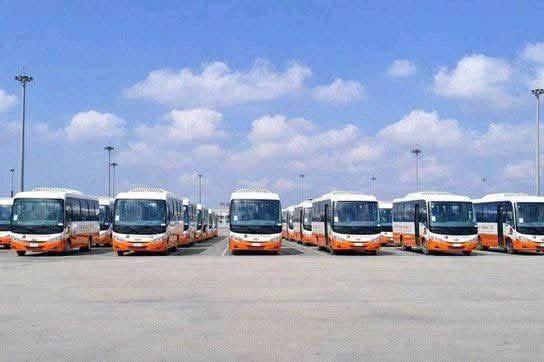
- The government has received a new fleet of 100 buses aimed at reducing ongoing road transport difficulties across the country.
- The buses are part of a larger procurement of 300 vehicles intended to strengthen the public transport system and improve mobility nationwide.
- The new buses are expected to gradually improve transport conditions, particularly during peak hours when commuters often face overcrowding and delays.
- The government has outlined a clear timeline for the remaining deliveries, with another batch of 100 buses expected to arrive in August and the last batch of 100 arriving in November.
The arrival of the new fleet of buses is a significant development in the government's efforts to improve public transport in Ghana. For months, commuters have been facing unbearable road transport difficulties, with many complaining about overcrowding and delays during peak hours.
While the government's move to procure new buses is a step in the right direction, many are still left wondering how effective these new buses will be in addressing the underlying issues plaguing the country's public transport system.
Background: The Challenges Facing Ghana's Public Transport System
Ghana's public transport system has long been plagued by challenges, including inadequate infrastructure, inefficient management, and a lack of investment in modern vehicles. The system has struggled to keep pace with the country's growing population, resulting in overcrowding and delays that have become a norm for many commuters.
The challenges facing Ghana's public transport system are not new, but the government's efforts to address them have been slow in coming. The arrival of the new fleet of buses is therefore a welcome development, but it remains to be seen whether it will be enough to address the underlying issues plaguing the system.
The Role of the Government in Improving Public Transport
The government's role in improving public transport is crucial, but it is not the only factor at play. The private sector also has a significant role to play in addressing the challenges facing the country's public transport system.
For instance, private bus companies can invest in modern vehicles and improve their services to meet the demands of commuters. Additionally, the government can work with private companies to develop and implement policies that promote the growth of a robust public transport system.
The government's efforts to improve public transport are not without their challenges, however. One of the major challenges facing the government is the need to balance the interests of different stakeholders, including commuters, bus owners, and private investors.
Looking Ahead: What This Means for Commuters
The arrival of the new fleet of buses is a significant development that is expected to improve transport conditions for commuters. However, it is essential to note that this is just the beginning of the government's efforts to improve public transport in Ghana.
Going forward, commuters can expect to see improvements in transport conditions, particularly during peak hours. However, it is also essential to note that the government's efforts to improve public transport are ongoing, and there is still much work to be done to address the underlying issues plaguing the system.
The government's move to procure new buses is a step in the right direction, but it is essential to note that this is just one aspect of a broader effort to improve public transport in Ghana. The government must continue to work with private companies and other stakeholders to develop and implement policies that promote the growth of a robust public transport system.
What This Means
The arrival of the new fleet of buses is a significant development that is expected to improve transport conditions for commuters. However, it is essential to note that this is just the beginning of the government's efforts to improve public transport in Ghana.
Going forward, commuters can expect to see improvements in transport conditions, particularly during peak hours. However, it is also essential to note that the government's efforts to improve public transport are ongoing, and there is still much work to be done to address the underlying issues plaguing the system.
The government's move to procure new buses is a step in the right direction, but it is essential to note that this is just one aspect of a broader effort to improve public transport in Ghana. The government must continue to work with private companies and other stakeholders to develop and implement policies that promote the growth of a robust public transport system.
In conclusion, the arrival of the new fleet of buses is a significant development that is expected to improve transport conditions for commuters. However, it is essential to note that this is just the beginning of the government's efforts to improve public transport in Ghana, and there is still much work to be done to address the underlying issues plaguing the system.






0 Comments
Leave a Comment
No comments yet. Be the first to share your thoughts!