
- The International Monetary Fund (IMF) has cautioned central banks against leaving inflation to spiral out of control amidst uncertainty surrounding the Middle East war.
- IMF Managing Director Kristalina Georgieva advised central banks not to unnecessarily tighten monetary policy, but rather remain committed to price stability.
- The IMF expects demand for balance-of-payments support arising from the war's spillovers to rise to between $20 billion and $50 billion.
- The IMF will focus on helping countries navigate the immediate turbulence and find a path forward through the 'fog of uncertainty' at its upcoming Spring Meetings with the World Bank Group.
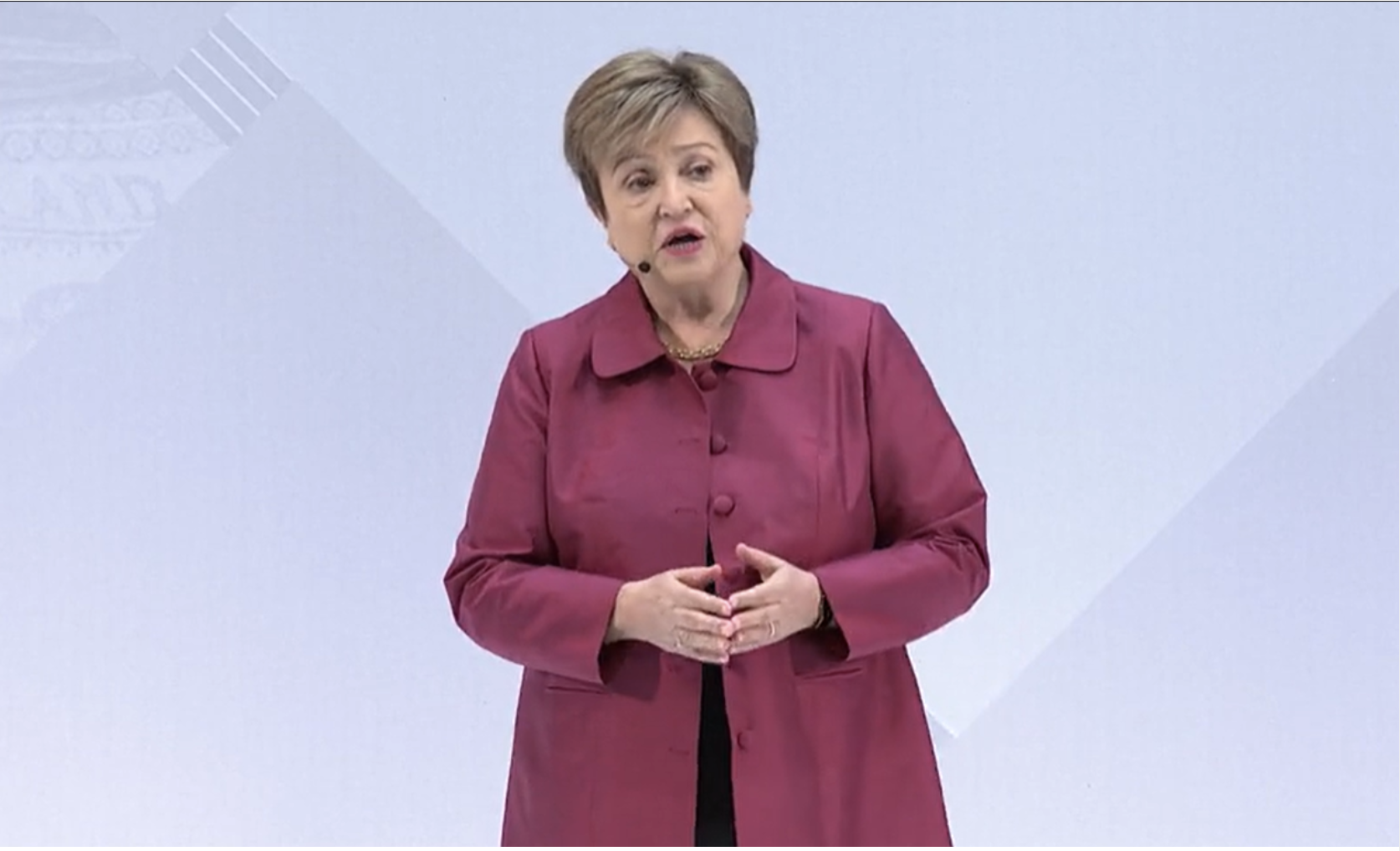
The International Monetary Fund (IMF) has sounded a warning to central banks worldwide to prevent inflation from spiraling out of control as the Middle East war continues to create uncertainty. In a curtain-raiser speech ahead of the IMF's joint Spring Meetings with the World Bank Group, slated for next week in Washington, IMF Managing Director Kristalina Georgieva cautioned against leaving inflation unchecked.
The war in the Middle East has delivered a significant, global, and asymmetric supply shock that threatens to derail a world economy otherwise on course for an upward growth revision. Georgieva noted that transport disruptions caused by the conflict have pushed at least 45 million additional people into food insecurity, taking the total number of people facing hunger globally to over 360 million.
Global Economic Implications
The world could experience further shocks through three main channels – price, impact, and supply shortages – igniting a costly inflation process and financial conditions. Georgieva cautioned that policymakers can help in multiple ways, urging them to stand ready to move firmly when rate hikes in inflation expectations showed signs of becoming unstable.
The IMF Chief reminded policymakers that while external shocks were beyond any country's control, the strength and agility of domestic fundamentals and institutions remained within their authority – and represented the surest defense when the next crisis arrived.
Fiscal Policy and Cooperation
On fiscal policy, Georgieva noted that most countries had appropriately avoided broad-based tax cuts and untargeted energy subsidies, urging governments to keep fiscal support targeted and temporary. She called for a balance between monetary and fiscal policies, indicating that with benchmark yield curves already rising and debt service costs climbing, deficit-financed stimulus at this juncture would increase the burden on monetary policy.
Georgieva encouraged rebuilding of the fiscal space and urged all countries to reject export controls, price controls, and other go-it-alone measures that risked amplifying global disruption rather than containing it. She appealed to all countries to reject go-it-alone actions that can further upset global conditions.
Spring Meetings and Global Cooperation
The IMF, in the near-term, expected demand for balance-of-payments support arising from the war's spillovers to rise to somewhere between $20 billion and $50 billion, with the lower end of that range prevailing if the ceasefire was reached. Georgieva reminded policymakers that the Spring Meetings would focus on helping countries find a path forward through what she called the 'fog of uncertainty,' and appealed for lasting peace in the Middle East and across the world.
What This Means
The IMF's warning underscores the urgent need for central banks to maintain a delicate balance between monetary and fiscal policies to prevent inflation from spiraling out of control. The global economic implications of the Middle East war are far-reaching, and policymakers must work together to mitigate its effects and find a path forward through the 'fog of uncertainty.'
The IMF's guidance is timely, given the ongoing uncertainty surrounding the Middle East war. By urging policymakers to remain committed to price stability and rejecting go-it-alone measures, the IMF is emphasizing the importance of cooperation and coordination in navigating the current global economic challenges.
The Spring Meetings will provide a critical platform for policymakers to discuss the global economic implications of the war and find ways to mitigate its effects. The IMF's appeal for lasting peace in the Middle East and across the world is a reminder of the need for global cooperation in addressing the complex challenges facing the world economy.
In conclusion, the IMF's warning highlights the urgent need for central banks to take proactive steps to prevent inflation from spiraling out of control. The global economic implications of the Middle East war are far-reaching, and policymakers must work together to mitigate its effects and find a path forward through the 'fog of uncertainty.'






0 Comments
Leave a Comment
No comments yet. Be the first to share your thoughts!