

Key Takeaways
- The Director-General of the National Development Planning Commission (NDPC) has emphasized the need for data-driven governance in Ghana.
- She highlighted ongoing initiatives aimed at strengthening data-driven governance, including data-sharing agreements between the Ghana Statistical Service and 25 Ministries, Departments and Agencies.
- The NDPC Director-General stressed the importance of ethics and inclusion in Ghana's digital transformation journey.
- She called for stronger district-level data capacity, interoperable systems, responsible use of emerging technologies, and broader digital inclusion.
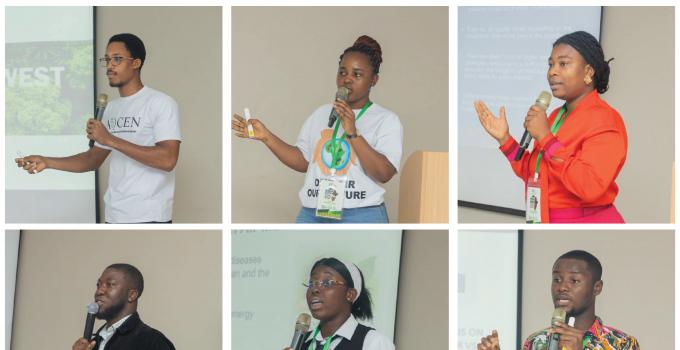
The Director-General of the National Development Planning Commission (NDPC), Audrey Smock Amoah, has underscored the significance of data in policymaking and public service delivery in Ghana. Delivering the keynote address at the launch of the 2026 University of Cape Coast Data Literacy Week on Wednesday, June 3, Dr. Amoah emphasized that data has become a critical national asset capable of improving governance, enhancing efficiency, and promoting fairness in decision-making.
The event, themed “Building a Data-Smart Ghana: Evidence, Ethics and Inclusion,” provided a platform for Dr. Amoah to stress the importance of evidence in governance. She noted that evidence is the foundation of effective governance, and that the true value of data lies in its ability to improve decisions, prevent waste, and deliver better outcomes for citizens.
Strengthening Data-Driven Governance
Dr. Amoah highlighted ongoing initiatives aimed at strengthening data-driven governance in Ghana. These include data-sharing agreements between the Ghana Statistical Service and 25 Ministries, Departments, and Agencies. Additionally, the NDPC is working to integrate Annual Progress Report templates into the District Development Data Platform with support from GIZ.
The integration of data into governance is crucial for improving public service delivery and promoting transparency. By leveraging data, policymakers can make informed decisions, track progress, and identify areas for improvement.
Emphasizing Ethics and Inclusion
Dr. Amoah underscored the importance of ethics and inclusion in Ghana’s digital transformation journey. She warned that public trust could be undermined if data systems exclude vulnerable groups or fail to protect personal information.
The NDPC Director-General called for stronger district-level data capacity, interoperable systems, responsible use of emerging technologies, and broader digital inclusion. This will enable Ghana to build a data-smart nation where evidence informs policy, ethics safeguards innovation, and development reaches every segment of society.
Looking Ahead
The call for data-driven governance and digital inclusion in Ghana comes at a critical time. As the country continues to develop its digital landscape, it is essential to prioritize ethics, inclusion, and transparency. By doing so, Ghana can ensure that the benefits of digital transformation are equitably distributed and that the needs of all citizens are addressed.
Image Source: https://www.myjoyonline.com/wp-content/uploads/2026/06/715324352_1285940977043626_598405120542012122_n.jpg





0 Comments
Leave a Comment
No comments yet. Be the first to share your thoughts!